


Delhi EV Policy is about to witness a transportation revolution! Chief Minister Rekha Gupta has announced groundbreaking plans that will transform the capital into India’s electric vehicle hub. The ambitious Delhi EV Policy 2.0 promises to make every third vehicle electric while ensuring 100% electric public transport by 2026.
Table of Contents
What’s Coming in Delhi’s New EV Policy?
The Delhi government is actively developing a comprehensive Electric Vehicle Policy 2.0 that builds upon the foundation laid in 2020. This isn’t just an upgrade – it’s a complete reimagining of urban mobility in India’s capital.
Key Highlights of Delhi EV Policy 2.0
| Target | Timeline | Impact |
|---|---|---|
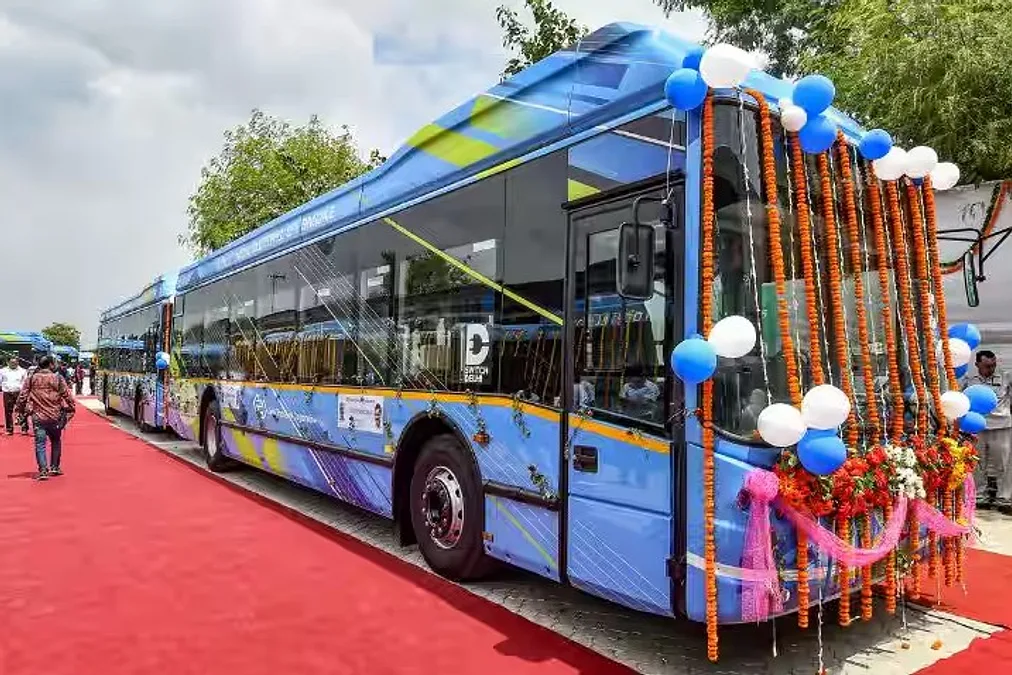
| All public transport electric | By 2026 | Zero-emission buses and government vehicles |
| Every 3rd vehicle electric | By 2026 | Massive reduction in air pollution |
| Improved air quality | Ongoing | Better health outcomes for 32 million residents |
| Stakeholder consultations | Current | Industry-friendly policy framework |
Why This EV Policy Matters for Delhi
Delhi faces serious environmental challenges that this policy directly addresses:
Air Quality Crisis: The capital consistently ranks among the world’s most polluted cities. Electric vehicles produce zero tailpipe emissions, offering immediate relief to residents struggling with poor air quality.
Traffic Congestion: With strategic EV adoption, Delhi aims to create more efficient transportation networks that reduce both congestion and emissions.
Economic Opportunities: The policy creates a robust market for EV manufacturers, potentially attracting significant investments and job creation.
Timeline and Implementation Strategy
The current EV policy, originally launched in 2020, has been extended until March 31, 2026. This extension provides crucial time for:
- Public Consultations: Ensuring all stakeholders have input in policy development
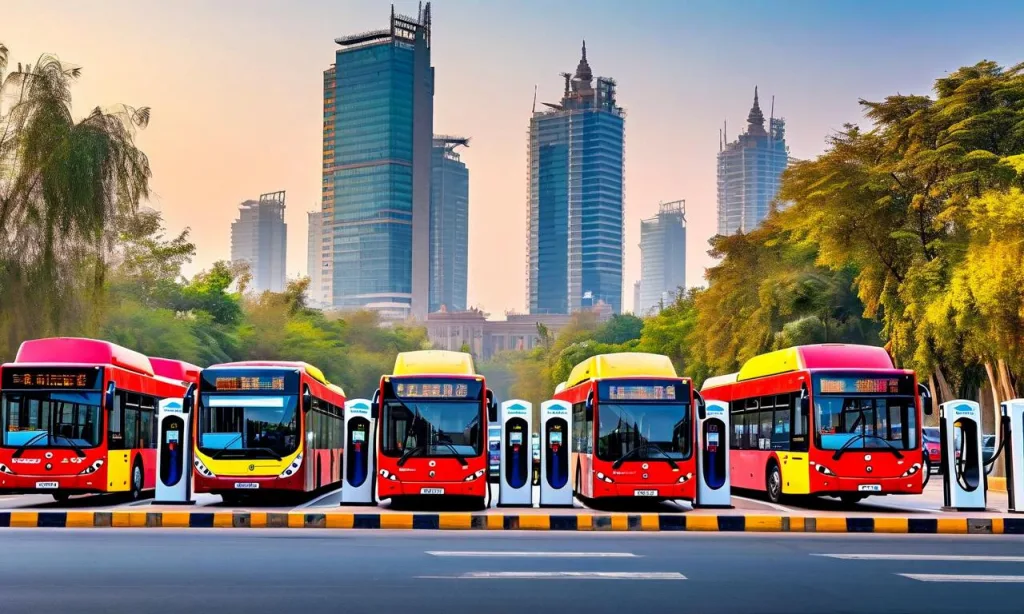
- Infrastructure Development: Building necessary charging networks
- Industry Alignment: Creating favorable conditions for EV manufacturers
Beyond Vehicles: A Holistic Approach
Chief Minister Gupta emphasized that vehicle electrification is part of a broader vision to tackle Delhi’s legacy issues:
- Waste management improvements
- Traffic rule enforcement
- Road safety initiatives
- Pollution control measures
The CM stressed personal responsibility, noting that “vehicles are not to blame; it is the drivers” when addressing road safety concerns.
What This Means for Delhi Residents
For Commuters: Cleaner, quieter public transportation with potentially lower operating costs.
For Vehicle Owners: Access to diverse EV options with government incentives and support.
For Businesses: Opportunities to participate in the growing EV ecosystem.
For Health: Improved air quality leading to better respiratory health outcomes.
The Road Ahead
Delhi’s EV Policy 2.0 represents more than environmental legislation – it’s a blueprint for sustainable urban living. By 2026, the capital aims to demonstrate that large-scale EV adoption is not just possible but profitable and practical.
The policy’s success could serve as a model for other Indian cities, potentially accelerating nationwide EV adoption. With stakeholder consultations underway and implementation timelines set, Delhi is positioning itself at the forefront of India’s electric mobility revolution.
As the government works toward this ambitious goal, residents can expect significant improvements in air quality, reduced noise pollution, and a more sustainable urban environment. The question isn’t whether Delhi will achieve these targets, but how quickly other cities will follow this pioneering example.

