

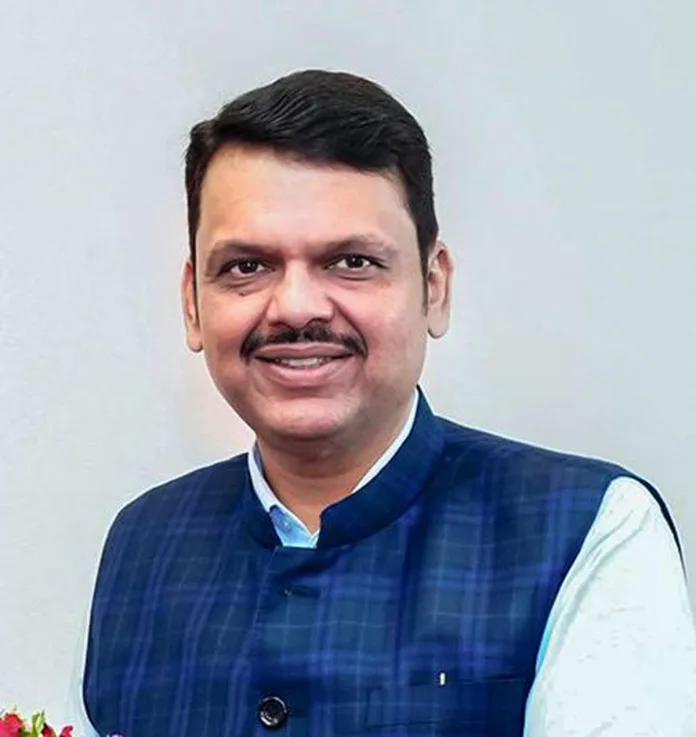

Imagine a city transforming from drought-prone farmlands into India’s electric vehicle powerhouse, where every street buzzes with the silent hum of electric motors instead of diesel engines. This isn’t a distant dream – it’s happening right now in Chhatrapati Sambhajinagar, Maharashtra, where Chief Minister Devendra Fadnavis has boldly declared the city as India’s emerging Electric Vehicle capital.
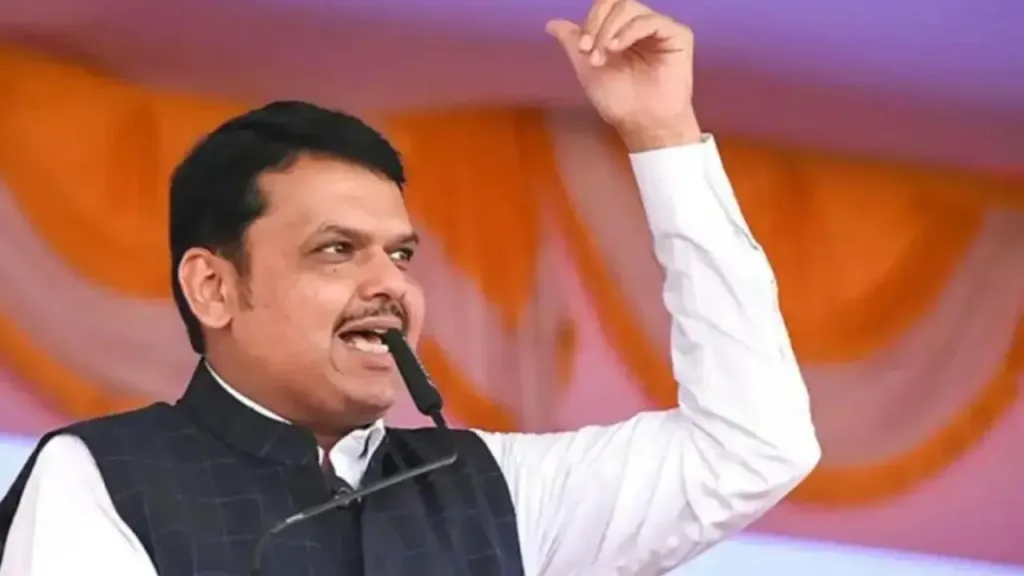
In a groundbreaking announcement that’s sending shockwaves through India’s automotive industry, CM Fadnavis proclaimed that “Chhatrapati Sambhajinagar will become the country’s Electric Vehicle capital, as it is a favourite investment destination.” But what makes this declaration more than just political rhetoric is the massive industrial transformation already underway.
Table of Contents
The Billion-Dollar EV Revolution Unfolds
Picture this: JSW Group alone is investing a staggering Rs 27,200 crore in Auric, Chhatrapati Sambhajinagar for EV manufacturing, while another Rs 25,000 crore flows into a lithium-ion battery plant in Nagpur, creating 5,000 employment opportunities. These aren’t just numbers on paper – they represent thousands of families whose lives are being transformed.
The city’s strategic transformation from traditional manufacturing to cutting-edge EV production showcases India’s commitment to sustainable mobility. Major EV manufacturing plants are being developed in Pune and Chhatrapati Sambhajinagar, marking a significant shift from conventional petrol and diesel vehicles.
Maharashtra’s EV Manufacturing Hub: By the Numbers
| Investment Projects | Amount (Crores) | Impact |
|---|---|---|
| JSW EV Manufacturing | ₹27,200 | Complete EV production facility |
| JSW Battery Plant (Nagpur) | ₹25,000 | 5,000 direct jobs |
| Bajaj EV Expansion | ₹759 | Chetak electric scooter production |
| Total Visible Investment | ₹53,000+ | 10,000+ direct employment |
Key Manufacturing Advantages
| Factor | Chhatrapati Sambhajinagar Edge |
|---|---|
| Strategic Location | Central India connectivity hub |
| Investment Climate | Favorable policies and incentives |
| Industrial Base | Established automotive ecosystem |
| Infrastructure | Existing manufacturing expertise |
Beyond Manufacturing: A Complete EV Ecosystem
What sets Chhatrapati Sambhajinagar apart isn’t just the manufacturing plants – it’s the comprehensive ecosystem being built. The region already hosts Audi’s carbon-neutral facility that has been using green energy since 2022, proving that sustainable manufacturing isn’t just possible – it’s profitable.
The city’s transformation addresses a critical challenge facing India’s EV adoption: creating a complete value chain from battery production to final assembly. With lithium-ion battery manufacturing in nearby Nagpur and complete vehicle assembly in Chhatrapati Sambhajinagar, Maharashtra is building an integrated EV corridor that reduces costs and improves efficiency.
The Human Story Behind the Headlines
Behind every crore invested and every factory built are real people whose lives are being transformed. Farmers who once worried about drought are now seeing their children train for high-tech manufacturing jobs. Local entrepreneurs are building supply chains for EV components. Engineering graduates no longer need to migrate to Pune or Mumbai – opportunity is coming to them.
The decisions taken in the state Cabinet meeting held in 2023 at Chhatrapati Sambhajinagar are being implemented at a fast pace, showing that this isn’t just election rhetoric but concrete action with measurable outcomes.
Environmental Impact: Breathing Easier
The shift to EV manufacturing isn’t just about jobs and investment – it’s about air quality and public health. This transition is expected to have a positive impact on air quality, as vehicles are a major contributor to pollution. For residents who have endured years of industrial pollution, the promise of cleaner manufacturing and cleaner vehicles offers hope for their children’s future.
Challenges and Opportunities Ahead
Like any industrial transformation, challenges remain. Infrastructure development, skilled workforce training, and supply chain optimization require continued investment and attention. However, the region anticipates significant industrial growth as government policies align with private sector investments.
The timing couldn’t be better. As India accelerates toward its 2030 EV adoption targets, cities that establish early dominance in manufacturing will reap long-term benefits. Chhatrapati Sambhajinagar’s transformation from agricultural center to EV capital represents exactly this kind of forward-thinking strategy.
The Ripple Effect Across India
This transformation isn’t happening in isolation. Maharashtra is emerging as the “national capital” of electric vehicles with major manufacturing plants coming up in Pune and Chhatrapati Sambhajinagar, creating a powerful industrial corridor that could influence national EV policy.
What started as a regional development initiative is becoming a national model for how traditional industrial cities can reinvent themselves for the electric future.
A City Racing Toward Tomorrow
Today, if you visit Chhatrapati Sambhajinagar, you’ll see construction cranes building tomorrow’s factories, engineers testing next-generation vehicles, and a community embracing change with remarkable enthusiasm. This isn’t just about becoming India’s EV capital – it’s about proving that with vision, investment, and determination, any city can lead the future.
The question isn’t whether Chhatrapati Sambhajinagar will succeed in its EV ambitions – it’s how quickly other cities will follow this inspiring example.

