

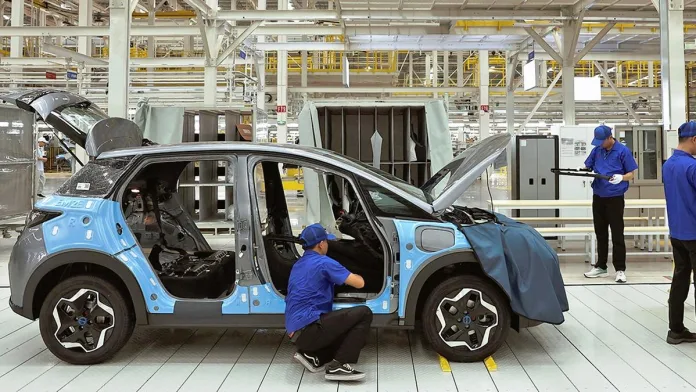

electric vehicle industry, once hailed as a success story, now faces a troubling phenomenon called “involution” that’s threatening to derail its remarkable growth. This self-destructive competition is reshaping not just China’s EV landscape, but the entire global automotive industry.
Table of Contents
What Is Involution in China’s EV Sector?
The Chinese term for involution, “neijuan”, began trending online in 2020 and was initially used by young people to describe the hypercompetitive and often self-defeating pursuit of traditional markers of success. In the EV context, involution represents a vicious cycle where manufacturers engage in destructive price wars that erode profits while creating massive oversupply.
The Rhodium Group reports that an eleven percent growth in the volume of Chinese car sales in the first half of this year produced only 0.8% growth in their value. This stark statistic reveals the core problem: companies are selling more cars but making less money.
The Current State of Chinese EV Market
| Key Players | Market Position | Recent Developments |
|---|---|---|
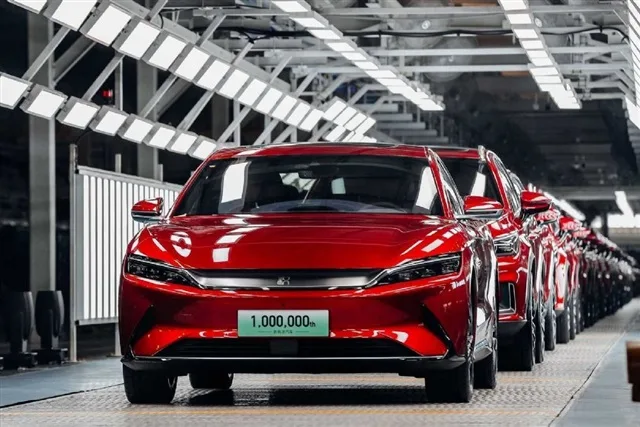
| BYD | World’s largest EV manufacturer by revenue (2024) | Overtook Tesla globally |
| Tesla | Former market leader | Facing intense Chinese competition |
| NIO, Li Auto | Rising Chinese startups | Expanding rapidly despite price pressures |
| CATL, SVOLT | Battery manufacturers | Leading next-gen battery tech |
How Involution Manifests in the EV Industry
1. Destructive Price Wars
Chinese EV manufacturers are locked in a race to the bottom, slashing prices to gain market share. This strategy might boost sales volumes but devastates profit margins, making sustainable growth nearly impossible.
2. Oversupply Crisis
China’s electric vehicle industry faces “involution” — destructive price wars and oversupply eroding profits. The market is flooded with more EVs than consumers can absorb, leading to inventory buildup and further price reductions.
3. Supply Chain Strain
The pressure has cascaded down to suppliers. 17 Chinese automakers — including BYD, which surpassed Tesla as the world’s largest EV manufacturer in 2024 — pledged that they would pay their suppliers within 30 days of parts received. This commitment came after widespread delays in supplier payments.
Global Impact of Chinese EV Involution
The effects extend far beyond China’s borders:
Trade Tensions: The European Commission announced provisional penalty tariffs ranging from 17.4% to 38.1% against EVs imported from China.
Export Surge: Chinese manufacturers are dumping excess capacity overseas, disrupting global markets and triggering protectionist responses.
Innovation vs. Price Focus: The emphasis on price competition may be diverting resources from crucial R&D investments.
The Government Response
Chinese regulators recognize the problem. Chinese regulators aren’t pleased about the price war brewing in its automotive sector, but stopping this destructive cycle proves challenging when market forces and competitive pressures drive companies toward short-term survival strategies.
What This Means for the Future
| Challenge | Impact | Potential Solution |
|---|---|---|
| Profit Erosion | Threatens long-term sustainability | Industry consolidation |
| Overcapacity | Market inefficiency | Export expansion |
| Innovation Decline | Reduced R&D spending | Government support for tech development |
Key Takeaways
Chinese EV involution represents a critical juncture for the world’s largest electric vehicle market. While competitive pressure has driven innovation and made EVs more affordable, the current destructive cycle threatens the industry’s future sustainability.
The resolution of this crisis will determine whether China’s EV sector can maintain its global leadership or if involution will undermine the very success it helped create. As the industry grapples with these challenges, the ripple effects will continue shaping the global transition to electric mobility.

