



Tata Motors is making bold moves to dominate India’s electric vehicle infrastructure landscape. The automotive giant has announced strategic partnerships with 13 charging point operators to install and operate 25,000 additional public chargers for electric small commercial vehicles over the next 12 months. This aggressive expansion has investors excited, with Tata Motors stock gaining 5.4% over the past month.
Table of Contents
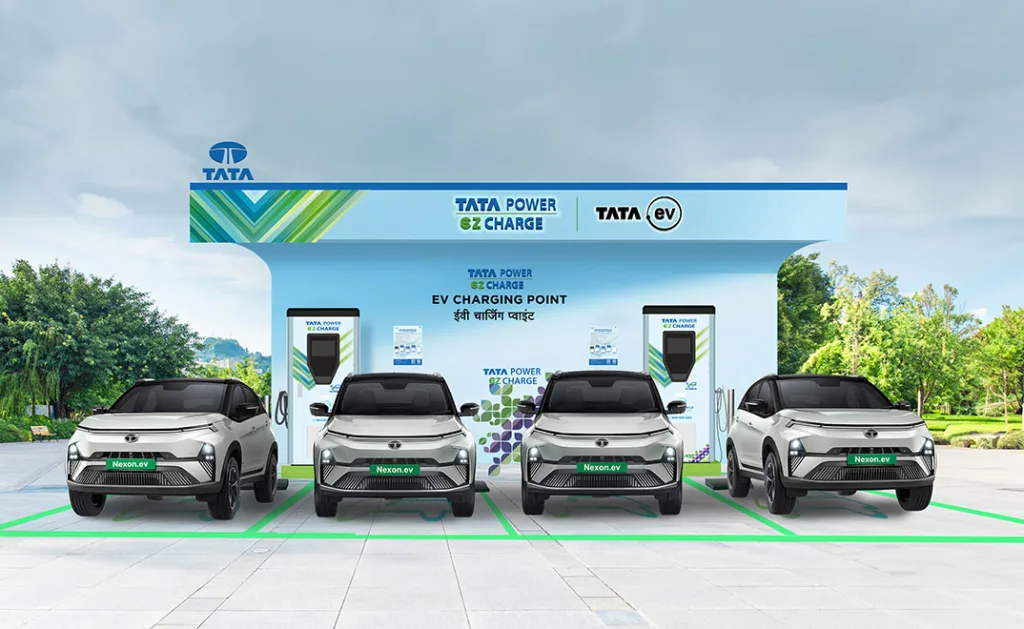
The Big Picture: 25,000 New Charging Points
Tata Motors is partnering with 13 charging point operators to install and operate 25,000 additional public chargers for electric small commercial vehicles over the next 12 months. This isn’t just an incremental improvement—it represents a massive infrastructure push that could fundamentally change how commercial fleet operators view electric vehicles.
Partnership Overview:
| Metric | Details |
|---|---|
| New Partners | 13 charging point operators |
| Additional Chargers | 25,000 public charging points |
| Timeline | 12 months deployment |
| Target Vehicles | Electric small commercial vehicles |
| Current Network | 25,000 public chargers already available for electric SCVs |
Strategic Market Positioning
This partnership announcement comes at a critical time for Tata Motors. While the company has been India’s EV market leader, competition is intensifying. The move to double their charging infrastructure from 25,000 to 50,000 charging points specifically for small commercial vehicles shows they’re not taking their market position for granted.
Current vs. Future Network:
| Phase | Charging Points | Coverage Focus |
|---|---|---|
| Current Network | 25,000 chargers | Existing SCVs |
| New Expansion | +25,000 chargers | Enhanced coverage |
| Total Network | 50,000 chargers | Comprehensive SCV support |
Stock Market Response: 5.4% Monthly Gain
Investors have responded positively to Tata Motors’ infrastructure expansion strategy. The stock has gained 5.4% over the past month, reflecting market confidence in the company’s electric vehicle strategy and charging infrastructure investments.
Market Performance Indicators:
- Monthly Stock Gain: 5.4% increase
- Investor Sentiment: Bullish on EV infrastructure expansion
- Market Position: Strengthened leadership in India’s EV sector
- Strategic Value: Long-term competitive advantage building
Focus on Commercial Vehicle Electrification
Tata Motors’ strategic focus on small commercial vehicles (SCVs) is particularly smart. Commercial fleet operators are highly cost-conscious and need reliable charging infrastructure to justify switching from traditional fuel vehicles to electric ones.
Why SCVs Matter:
| Commercial Advantage | Benefit |
|---|---|
| High Utilization | Commercial vehicles run more hours daily |
| Cost Sensitivity | Lower operating costs crucial for profitability |
| Predictable Routes | Easier charging infrastructure planning |
| Fleet Decisions | Single decisions affect multiple vehicles |
The Broader TATA.ev Ecosystem
This partnership expansion is part of Tata Motors’ larger electric vehicle ecosystem strategy. TATA.ev announced a bold move to more than double India’s available charging points to 400,000 by 2027 under their Open Collaboration 2.0 initiative.
TATA.ev Ecosystem Components:
- Vehicle Manufacturing: Leading EV producer in India
- Charging Infrastructure: Expanding network through partnerships
- Technology Integration: Smart charging solutions
- Service Network: Comprehensive customer support
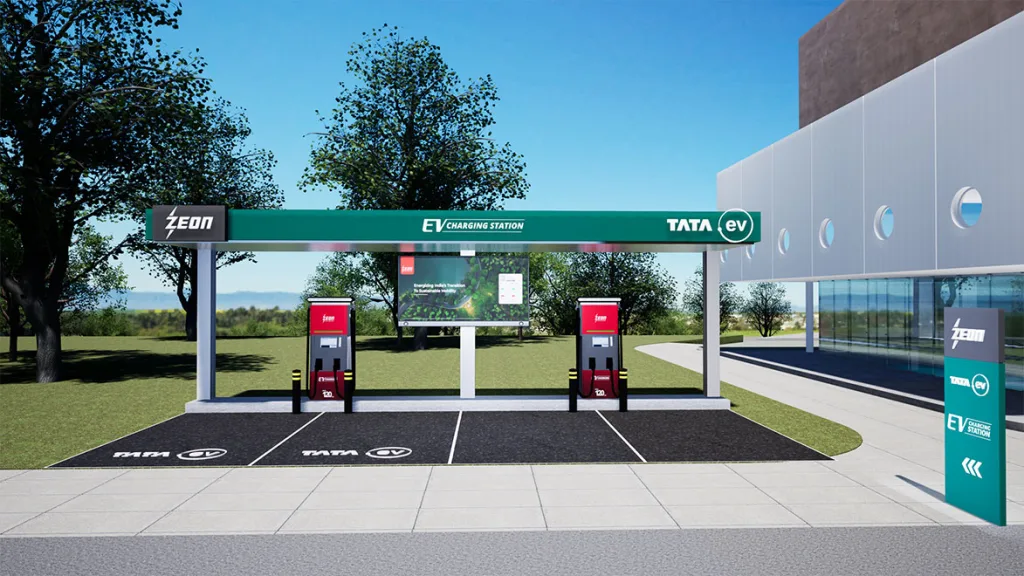
Partnership Strategy Benefits
Working with 13 different charging operators rather than building everything in-house demonstrates strategic thinking:
Partnership Advantages:
| Strategy Element | Benefit |
|---|---|
| Faster Deployment | 13 operators working simultaneously |
| Reduced Capital Expenditure | Partners invest in infrastructure |
| Local Expertise | Operators know regional markets |
| Risk Distribution | Shared investment and operational risks |
| Scalability | Proven model for future expansion |
Competitive Landscape Context
This infrastructure push comes as Tata Motors faces increasing competition in India’s EV market. Companies like JSW MG Motor and Mahindra are gaining ground with innovative offerings, making infrastructure differentiation crucial for maintaining market leadership.
Competitive Response Strategy:
- Infrastructure Advantage: More charging points than competitors
- Commercial Focus: Targeting high-value fleet customers
- Partnership Model: Scalable expansion approach
- Market Coverage: Comprehensive geographic reach
Impact on EV Adoption
The expansion of charging infrastructure directly addresses one of the biggest barriers to commercial EV adoption: range anxiety and charging convenience. With 50,000 charging points dedicated to small commercial vehicles, fleet operators can confidently transition to electric vehicles.
Adoption Accelerators:
- Reduced Range Anxiety: More charging options available
- Operational Confidence: Reliable charging infrastructure
- Cost Predictability: Known charging network costs
- Business Continuity: Minimal disruption to operations
Timeline and Implementation
The 12-month deployment timeline is ambitious but achievable with 13 partners working simultaneously across different regions. This aggressive timeline suggests Tata Motors is prioritizing speed to maintain their competitive advantage.
Implementation Phases:
- Months 1-3: Partner onboarding and site selection
- Months 4-9: Infrastructure installation and testing
- Months 10-12: Network optimization and expansion
- Ongoing: Maintenance and customer support
Investment Implications
For investors, this partnership represents more than just infrastructure expansion—it’s a strategic moat-building exercise. The larger and more convenient Tata’s charging network becomes, the more attractive their commercial vehicles become to fleet operators.
Long-term Value Creation:
- Network Effects: Larger network attracts more customers
- Customer Lock-in: Charging infrastructure creates switching costs
- Revenue Streams: Potential charging service revenues
- Market Defense: Competitive barrier against new entrants
Conclusion
Tata Motors‘ partnership with 13 EV charging operators to deploy 25,000 additional charging points represents a masterclass in strategic infrastructure building. The 5.4% monthly stock gain reflects investor confidence in this approach, which addresses the practical needs of commercial fleet operators while strengthening Tata’s competitive position.
By doubling their small commercial vehicle charging network from 25,000 to 50,000 points within 12 months, Tata Motors is not just expanding infrastructure—they’re building the foundation for sustained market leadership in India’s rapidly growing electric vehicle sector.
This bold infrastructure investment demonstrates that Tata Motors understands a crucial truth: in the electric vehicle market, convenience and confidence drive adoption, and charging infrastructure provides both.

