

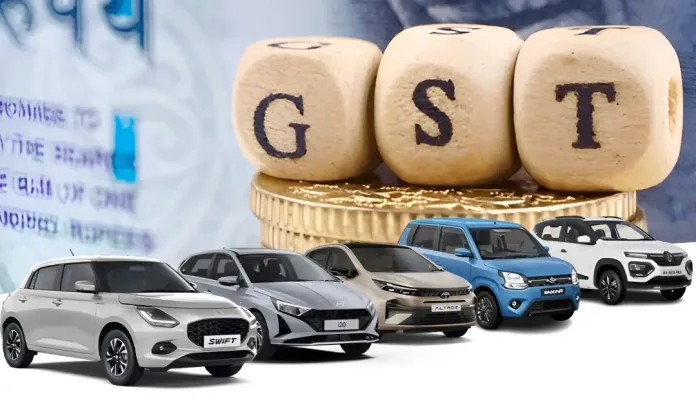

India’s EV (electric vehicle) market is experiencing a revolutionary transformation with GST 2.0 implementation. While electric vehicles are charged 5% under the current GST structure, recent developments suggest potential changes ahead. However, electric vehicles (EVs) will continue to attract 5% GST for now, making them significantly more affordable than traditional vehicles.
Table of Contents
Current GST Structure for EVs
Indian government offers special GST concessions on four types of vehicles to promote affordability, accessibility, and sustainability. Electric Vehicles (EVs) – In this section only 5% GST is applicable. The intention is to promote green mobility.
GST Breakdown by EV Price Range
| EV Price Range | Current GST | Proposed GST | Impact |
|---|---|---|---|
| Under ₹20 Lakh | 5% | 5% | No change |
| ₹20-40 Lakh | 5% | 18% (proposed) | Significant increase |
| Above ₹40 Lakh | 5% | 28% (proposed) | Major impact |
Note: According to the proposals, GST on four-wheeled EVs priced between Rs 20 lakh and Rs 40 lakh will be raised from 5% to 18%, while EVs costing more than Rs 40 lakh will face a jump from 5% to 28%.
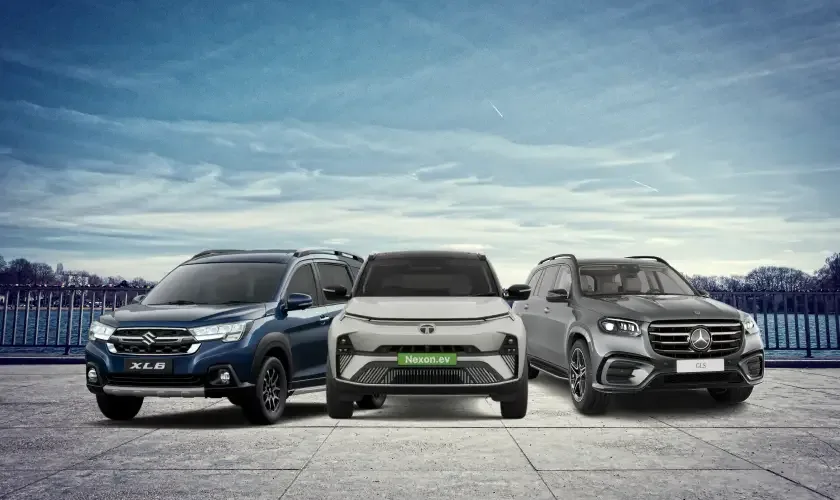
Top Electric Vehicles in India (2025)
Budget-Friendly Champions (Under ₹15 Lakh)
1. Tata Nexon EV
- Price: ₹ 12.49 – 17.49 Lakh (ex-showroom)
- Range: Up to 465km (ARAI certified)
- Key Features: Sunroof with voice commands, 6 airbags standard, wireless connectivity
2. MG ZS EV
- Price: ₹13 Lakh* onwards
- Battery: 50.3 kWh capacity
- Special Feature: Dual pane panoramic sunroof
Premium Electric SUVs (₹15-30 Lakh)
| Model | Price Range | Range | Key Highlight |
|---|---|---|---|
| Mahindra XUV400 | ₹15.5-17.7 Lakh | 456km | Born electric platform |
| Hyundai Kona Electric | ₹23.8-24.0 Lakh | 452km | Premium features |
| Mahindra BE 6 | ₹18.9-26.9 Lakh | 682km | India’s best electric vehicle claim |
Luxury EVs (Above ₹30 Lakh)
High-End Options:
- Kia EV6: ₹60.9-65.9 Lakh
- Hyundai Ioniq 5: ₹45.0-53.0 Lakh
- BMW iX: ₹1.21-1.40 Crore
GST Impact Analysis: What It Means for Buyers
Current Advantages
With the existing 5% GST rate, electric vehicles offer substantial savings compared to conventional vehicles that attract 18-40% GST rates.
Cost Comparison Example:
- Tata Nexon ICE: ₹8.1-14.7 Lakh + 18-40% GST
- Tata Nexon EV: ₹12.49-17.49 Lakh + 5% GST
Future Considerations
The proposed GST restructuring could significantly impact premium EV pricing:
| Vehicle | Current Total Cost | Projected Cost (if implemented) |
|---|---|---|
| Basic EV (₹15L) | ₹15.75L | ₹15.75L (no change) |
| Premium EV (₹25L) | ₹26.25L | ₹29.5L (+₹3.25L) |
| Luxury EV (₹50L) | ₹52.5L | ₹64L (+₹11.5L) |
Smart Buying Strategy for 2025
For Budget-Conscious Buyers
Focus on EVs under ₹20 lakh to avoid potential GST increases. The Tata Nexon EV, Mahindra XUV400 are excellent choices in this segment.
For Premium Segment Buyers
Consider purchasing before any GST revision implementation to maximize savings on vehicles in the ₹20-40 lakh range.
Key Decision Factors
Immediate Benefits: ✅ Low GST: Current 5% rate across all EVs ✅ Government Incentives: State-specific subsidies available ✅ Running Costs: 80% lower than petrol vehicles ✅ Zero Emissions: Environmental benefits
Future-Proofing: ✅ Charging Infrastructure: Rapidly expanding network ✅ Battery Technology: Improving range and efficiency ✅ Resale Value: Growing acceptance ensuring better retention
Regional Price Variations
Electric Cars in India in September 2025 starts from Rs 3.25 Lakh, but prices vary significantly by state due to local incentives and registration fees.
Top EV-Friendly States
- Delhi: Maximum subsidies and exemptions
- Maharashtra: Comprehensive EV policy
- Karnataka: Strong charging infrastructure
- Tamil Nadu: Manufacturing hub benefits
The Verdict: Best Time to Buy EVs
Despite potential GST revisions on premium segments, the overall EV market remains attractive. The government’s commitment to electric mobility ensures continued support, making 2025 an excellent year for EV adoption.
Pro Tip: Focus on vehicles under ₹20 lakh for maximum long-term value, or expedite purchases in the premium segment before policy changes take effect.

