

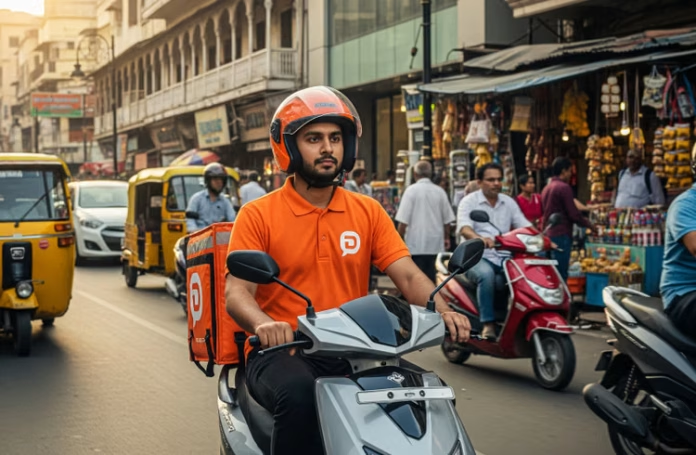

India’s streets are witnessing a silent revolution. As millions of delivery riders switch from petrol-powered bikes to electric two-wheelers, they’re not just changing their vehicles—they’re transforming their entire economic landscape. This shift is creating unprecedented opportunities in India’s gig economy, reshaping how people earn their livelihoods.
Table of Contents
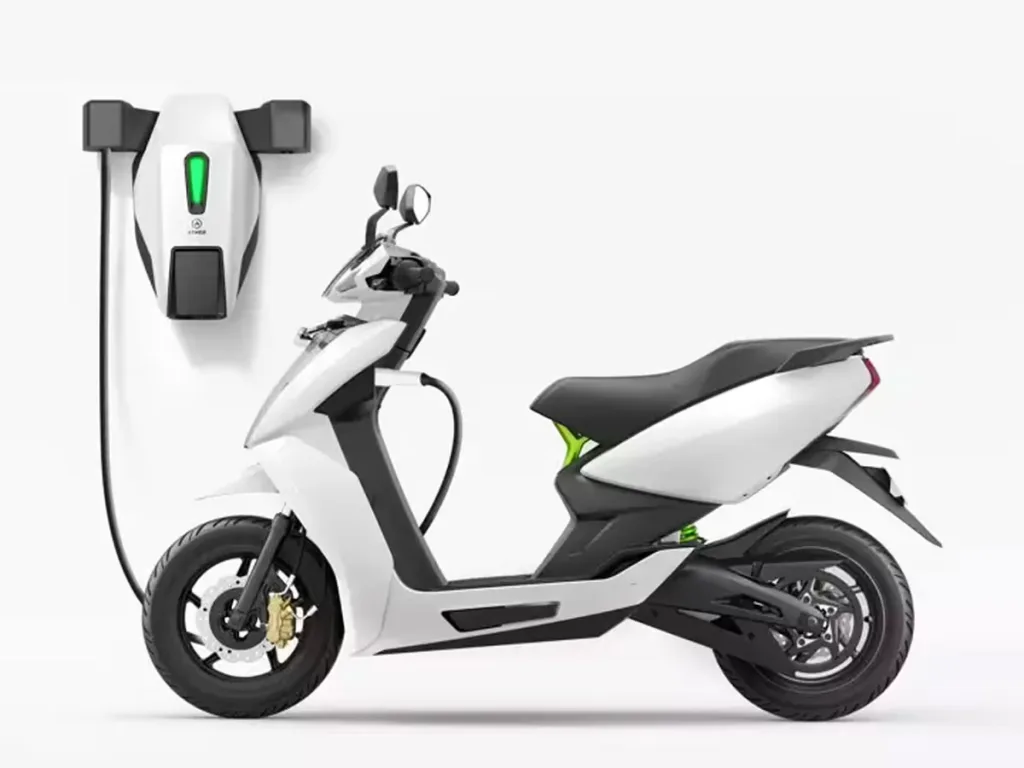
The Numbers That Tell the Story
India’s electric mobility sector is creating a job boom that’s impossible to ignore. Industry could generate 10 million direct jobs, 50 million indirect ones by 2030, fundamentally changing the employment landscape for millions of Indians.
Gig Economy Growth Statistics
| Sector | Current Jobs | 2030 Projection | Growth Rate |
|---|---|---|---|
| Food Delivery | 8.02 lakh | 15 lakh+ | 87% increase |
| E-commerce Logistics | 6 lakh | 12 lakh+ | 100% increase |
| Hyperlocal Services | 5 lakh | 10 lakh+ | 100% increase |
| Total Gig Jobs | 21 lakh | 40+ lakh | 90%+ increase |
Source: According to a report, in 2019-20, out of 21 lakh jobs in Indian metro cities, 14 lakh were in the space of gig economy, of which 8.02 lakh positions were in the food and e-commerce delivery space
From Fuel Costs to Financial Freedom
The transformation story begins with economics. Traditional delivery riders spend 30-40% of their earnings on fuel costs. Electric two-wheelers are changing this equation dramatically.
Cost Comparison: ICE vs Electric Two-Wheeler
| Expense Category | Petrol Two-Wheeler | Electric Two-Wheeler | Monthly Savings |
|---|---|---|---|
| Fuel/Charging | ₹6,000-8,000 | ₹800-1,200 | ₹5,000-7,000 |
| Maintenance | ₹2,000-3,000 | ₹500-800 | ₹1,500-2,200 |
| Insurance | ₹8,000/year | ₹6,000/year | ₹2,000/year |
| Total Monthly Impact | ₹8,000-11,000 | ₹1,300-2,000 | ₹6,500-9,200 |
The Delivery Revolution in Action
Meet Rajesh Kumar, a Swiggy delivery partner from Delhi who made the switch six months ago. “My monthly expenses dropped by ₹6,000, and I can work longer hours without worrying about fuel costs,” he shares. His story echoes across thousands of delivery riders nationwide.
Key Benefits for Delivery Workers
Financial Advantages: ✅ 80% lower running costs compared to petrol vehicles
✅ ₹20,000-35,000 monthly earnings for full-time riders
✅ Quick onboarding: riders can start earning income within 24 to 48 hours
✅ Government subsidies reducing vehicle purchase costs
Operational Benefits: ✅ Silent operation reducing noise pollution in cities
✅ Zero emissions contributing to cleaner air
✅ Less maintenance meaning more working hours
✅ Home charging option eliminating fuel station visits
Industry-Wide Job Creation Impact
The electric mobility revolution extends far beyond just riders. By 2030, the EV industry is expected to create 10 million direct jobs and 50 million indirect jobs in various sectors – from manufacturing and engineering to assembly, R&D, and after-sales services.
Job Categories in Electric Two-Wheeler Ecosystem
| Sector | Job Types | Skill Level | Growth Potential |
|---|---|---|---|
| Manufacturing | Assembly workers, Quality control | Entry to Mid-level | High |
| Technology | Software developers, IoT specialists | High-skill | Very High |
| Infrastructure | Charging station technicians | Mid-level | High |
| Services | Maintenance, Customer support | Entry to Mid-level | Moderate |
| Logistics | Fleet managers, Operations | Mid-level | Very High |
Gender Inclusivity: Breaking Barriers
The intersection of electric scooters … gig economy is reshaping the employment landscape, offering flexible and independent work opportunities across sectors like ride-hailing, food delivery and e-commerce logistics. Electric two-wheelers are particularly empowering women workers who previously faced barriers in traditional delivery roles.
Women in Electric Delivery Jobs
Empowerment Factors:
- Safer operation: Electric scooters are easier to handle
- Flexible timing: Better work-life balance opportunities
- Lower physical demands: Reduced maintenance requirements
- Growing acceptance: Changing social perceptions
Regional Impact and Opportunities
Top Cities for Electric Two-Wheeler Jobs
| City | Job Opportunities | Key Advantages | Average Monthly Earnings |
|---|---|---|---|
| Delhi NCR | Very High | Government incentives, charging infrastructure | ₹25,000-35,000 |
| Bangalore | High | Tech hub, startup ecosystem | ₹22,000-32,000 |
| Mumbai | High | Dense population, high delivery demand | ₹24,000-34,000 |
| Pune | Moderate | Growing IT sector | ₹20,000-28,000 |
| Hyderabad | Moderate | Emerging tech hub | ₹20,000-30,000 |
The Future Workforce Transformation
The sector is expected to generate 5 million jobs by 2030, with more EV-based fleet operators hiring gig workers for deliveries and logistics. This transformation represents more than just vehicle upgrades—it’s a complete reimagining of urban employment.
Skills for the Electric Future
Essential Skills for Electric Two-Wheeler Jobs:
- Basic electric vehicle maintenance knowledge
- Digital payment and app navigation proficiency
- Route optimization using GPS and traffic apps
- Customer service excellence for delivery roles
- Battery management and charging optimization
Policy Support Driving Change
Government initiatives are accelerating this transformation:
Central Government Support:
- PLI schemes for EV manufacturing
- FAME II subsidies for vehicle purchases
- Charging infrastructure development programs
State-Level Incentives:
- Registration fee waivers
- Road tax exemptions
- Dedicated EV parking zones
The Road Ahead: 2025-2030
The electric two-wheeler workforce transformation is just beginning. As charging infrastructure expands and vehicle costs decrease, more riders will make the switch, creating a virtuous cycle of job creation and economic opportunity.
Key Trends to Watch:
- Battery swapping networks reducing downtime
- Fleet management platforms optimizing operations
- Skill development programs preparing workers for electric future
- Financial inclusion initiatives supporting vehicle purchases
Getting Started: Your Electric Journey
For those considering joining this revolution:
- Research local incentives and subsidies available
- Connect with fleet operators offering electric two-wheelers
- Understand charging infrastructure in your area
- Calculate potential savings based on your current expenses
- Join the transformation that’s reshaping India’s workforce

