

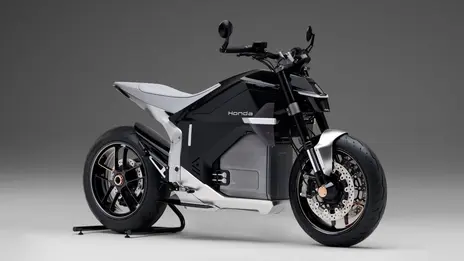

Honda EV, the electric vehicle landscape in India just got a game-changing boost as Honda opens its groundbreaking facility in Karnataka.
Picture this: A sprawling manufacturing facility humming with the promise of zero-emission mobility. Welcome to Honda’s revolutionary step into India’s electric future – the country’s first dedicated EV two-wheeler manufacturing plant in Narasapura, Karnataka.
Table of Contents
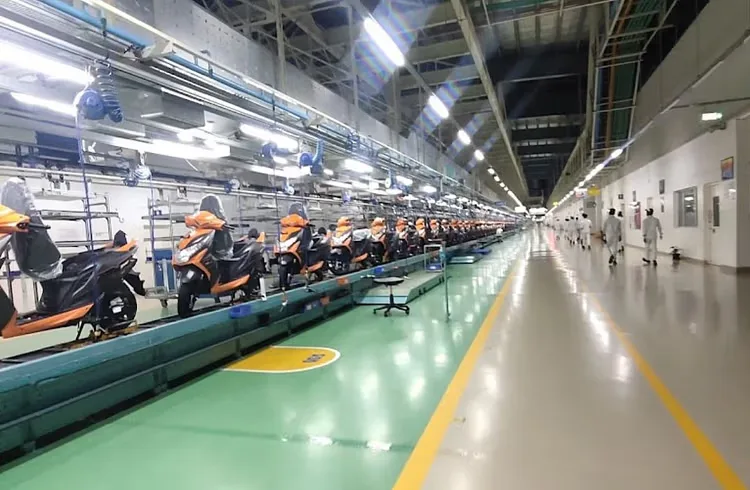
Honda EV : The Game-Changer That’s Electrifying India
Honda Motor Company has just rewritten the playbook for electric mobility in India. This isn’t just another manufacturing facility; it’s a testament to Honda’s unwavering commitment to sustainable transportation and India’s growing appetite for eco-friendly vehicles.
The Narasapura plant represents more than bricks and mortar – it’s Honda’s bold statement that the future of Indian transportation is electric, efficient, and exciting.
Why This Plant Matters for Indian Consumers
Strategic Location Benefits
| Feature | Benefit |
|---|---|
| Karnataka Hub | Access to skilled workforce and automotive ecosystem |
| Narasapura Location | Proximity to major transportation networks |
| Dedicated EV Focus | Specialized production for electric vehicles only |
Market Impact
The timing couldn’t be more perfect. With the Indian government’s push for electric mobility through initiatives like FAME II and state-specific EV policies, Honda’s dedicated facility positions the company to capture the surging demand for electric two-wheelers.
What This Means for Honda’s Electric Ambitions
Honda’s investment in a dedicated EV plant signals several crucial developments:
Technology Leadership: By focusing exclusively on electric vehicles, Honda can optimize every aspect of production for EV-specific requirements.
Scale Ambitions: A dedicated facility suggests Honda is preparing for significant volume production, potentially making electric two-wheelers more affordable for Indian consumers.
Local Manufacturing: This move aligns with the “Make in India” initiative while potentially reducing costs and improving supply chain efficiency.
The Broader Electric Two-Wheeler Landscape
| Aspect | Traditional Plants | Honda’s Dedicated EV Plant |
|---|---|---|
| Production Focus | Mixed vehicle types | 100% electric vehicles |
| Technology Integration | Retrofitted for EVs | Built from ground up for EVs |
| Efficiency | Shared resources | Optimized for EV production |
What Consumers Can Expect
This development promises exciting possibilities for Indian two-wheeler enthusiasts:
- Faster Innovation: Dedicated R&D focus on electric technologies
- Better Quality: Specialized production processes for EV components
- Competitive Pricing: Economies of scale in electric vehicle production
- Improved Service: EV-specific expertise and support infrastructure
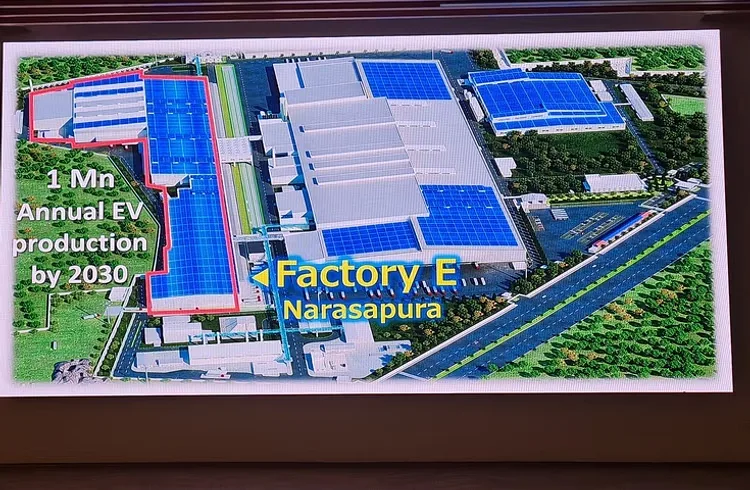
The Road Ahead
Honda’s Narasapura plant isn’t just about manufacturing; it’s about building an ecosystem. This facility will likely drive:
- Job creation in Karnataka’s automotive sector
- Supplier network development for EV components
- Technology transfer and skill development
- Boost to India’s position as a global EV manufacturing hub
Why This Matters Now
As India races toward its 2030 electric mobility goals, Honda’s dedicated EV plant arrives at a crucial juncture. With rising fuel costs, increasing environmental awareness, and government incentives making electric vehicles more attractive, this facility positions Honda to meet growing demand while contributing to India’s sustainable transportation future.
The Narasapura plant represents more than manufacturing capacity – it’s Honda’s bet on India’s electric future and a signal that the two-wheeler giant is ready to lead the charge toward zero-emission mobility.
Honda’s dedicated EV plant in Karnataka marks a pivotal moment in India’s electric vehicle journey, promising innovation, sustainability, and exciting new possibilities for Indian consumers.

