


The Chinese electric vehicle market is witnessing a dramatic shift as local players like XPeng, Xiaomi, NIO, and BYD challenge Tesla’s dominance. Recent sales data reveals a compelling story of homegrown innovation outpacing the American EV giant on its own turf.
Table of Contents
Market Leaders Emerge from Intense Competition
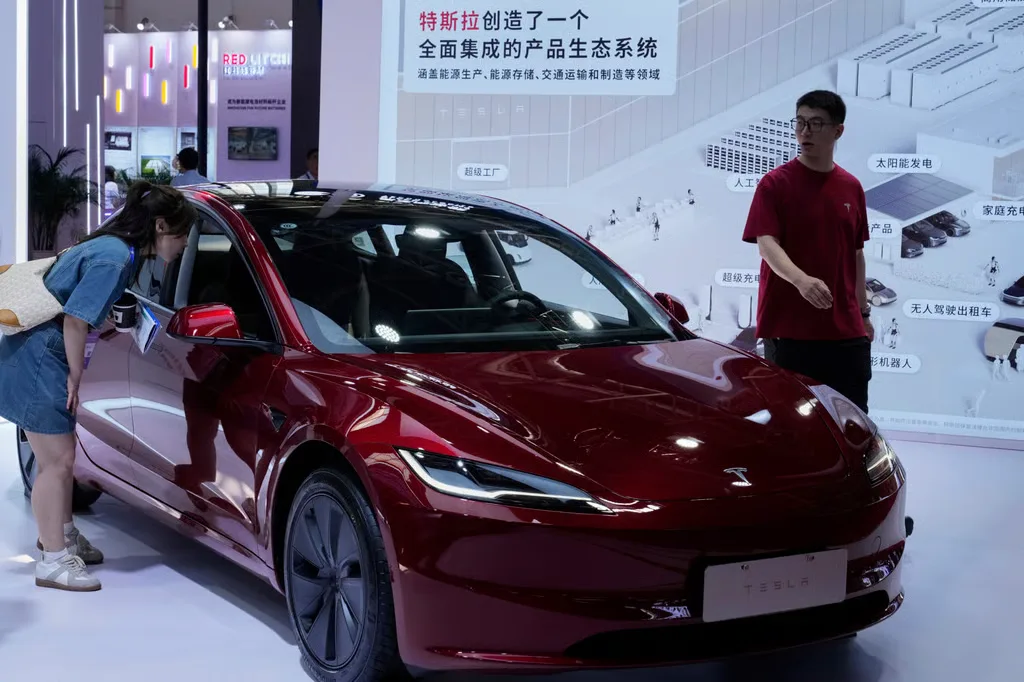
Tesla’s China sales fell 11.7% in Q2 2025 as local rivals like XPeng and NIO saw 50% YoY growth, highlighting a strategic misalignment with affordability trends. Meanwhile, Tesla fell to 14 percent as a top EV brand choice in China, down from 18 percent last year, and now behind both BYD and Xiaomi.
Sales Performance Showdown: First Half 2025
The numbers tell a remarkable story of rapid growth and market evolution:
Key Players Performance Summary
| Brand | H1 2025 Deliveries | Notable Achievement |
|---|---|---|
| Li Auto | 200,000+ units | Consistent premium segment leader |
| XPeng | 197,189 units | Expected 39,000 August deliveries (178% YoY growth) |
| Xiaomi | 150,000+ units | Overtook Tesla as top brand choice |
| BYD | Market leader | Q2 revenue hit RMB 200.9 billion |
Market Dynamics Shift Against Tesla
Tesla’s competitors in China disclosed a slew of updates, signaling that competition on the mainland is fierce for the EV juggernaut. The competition isn’t just about numbers – it’s about understanding local preferences and pricing strategies.
XPeng’s Strategic Success
XPeng deliveries should run to a fresh high of 39,000, according to Deutsche Bank, including 3,000 overseas sales. The company’s Mona M03 model has maintained strong sales momentum, demonstrating the power of targeted product development.
BYD’s Mixed Fortunes
While BYD remains the overall leader, BYD faces its first monthly delivery decline in 2025, with July sales dropping 9.6% to 341,030 units. However, the company’s global expansion continues to impress, with European sales surging dramatically.
Global Implications
The Chinese EV success story isn’t confined to domestic markets. BYD’s 225% European sales surge vs. Tesla’s 40% decline underscores Chinese EV makers’ growing global competitiveness.
What’s Driving This Transformation?
Several factors contribute to this seismic shift:
Aggressive Pricing: Local brands offer compelling value propositions Product Innovation: Rapid development cycles and feature-rich vehicles Market Understanding: Deep knowledge of Chinese consumer preferences Government Support: Favorable policies supporting domestic EV manufacturers
Looking Ahead
As these Tesla rivals continue reporting strong China EV sales, the global automotive landscape is experiencing a fundamental transformation. The success of XPeng, Xiaomi, NIO, and BYD signals that the future of electric mobility may well be written in Chinese characters.

