

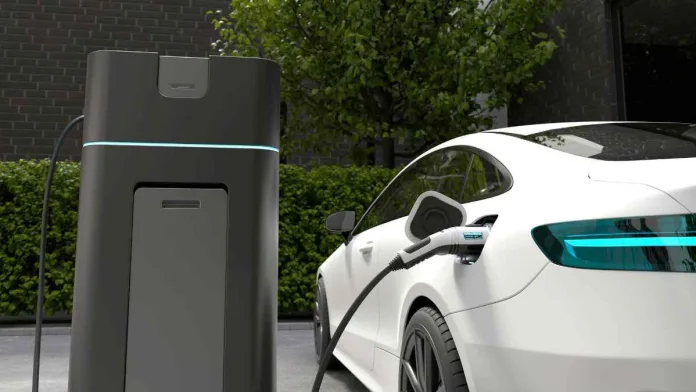

India’s electric vehicle revolution just hit a major milestone. The country now boasts over 4,500 EV charging points along national highways and expressways, part of a massive 29,000+ public charging stations nationwide. This infrastructure boom is reshaping how Indians think about long-distance electric travel.
Table of Contents
The Numbers That Tell the Story
More than 29,000 public charging stations have been established across India, with 4,557 strategically positioned along highways and expressways. This highway network is crucial for eliminating range anxiety—the biggest barrier to EV adoption for Indian families.
Current EV Charging Infrastructure Breakdown
| Location Type | Charging Points | Percentage |
|---|---|---|
| Highway/Expressway | 4,557 | 15.7% |
| Urban Areas | 20,000+ | 69% |
| Semi-Urban/Rural | 4,500+ | 15.3% |
| Total | 29,000+ | 100% |
PM E-DRIVE: The ₹2,000 Crore Game Changer
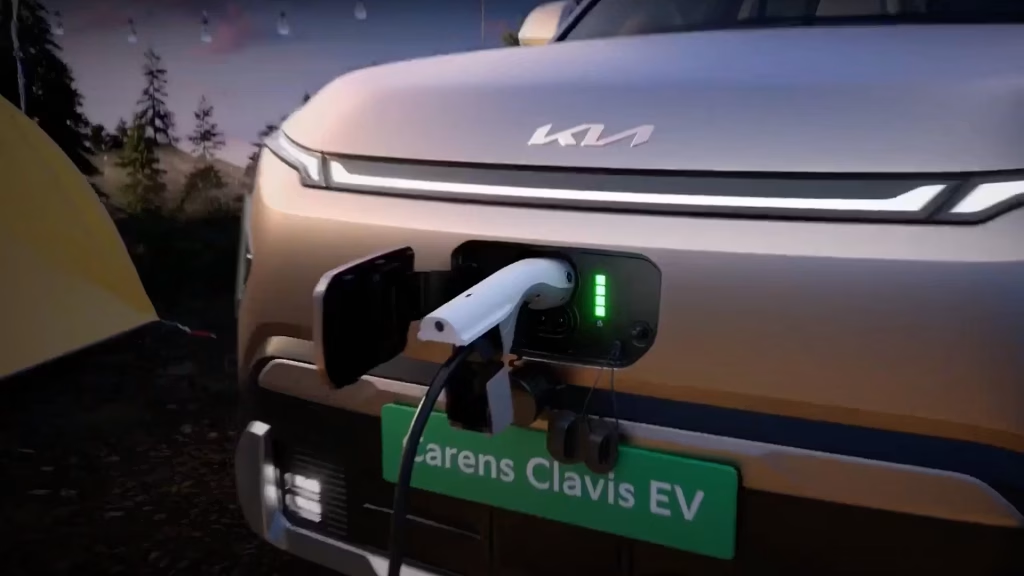
The Road Transport Ministry has allocated ₹2,000 crore under the PM E-DRIVE scheme specifically for charging infrastructure. The ambitious plan includes over 22,000 EV chargers for four-wheelers and 1,800 specialized chargers for e-buses.
What makes this initiative special? Setting up EV charging stations is an unlicensed activity, meaning private entities can freely participate. The government’s role is purely facilitative—creating incentives and addressing distribution gaps.
Solving the Coverage Challenge
While metro cities enjoy dense charging networks, the real challenge lies in ensuring equitable coverage across remote areas and less-trafficked corridors. This is where the highway charging points become crucial for connecting India’s diverse geography.
Key Benefits for EV Users
| Advantage | Impact | Benefit |
|---|---|---|
| Highway Coverage | 4,500+ stations | Long-distance travel confidence |
| Private Participation | Open market | Faster expansion |
| Standardization | Uniform protocols | Universal compatibility |
What’s Next for India’s Charging Revolution
Future targets for 2025-26 will align with demand patterns and private operator responses. This demand-driven approach ensures infrastructure grows where it’s needed most.
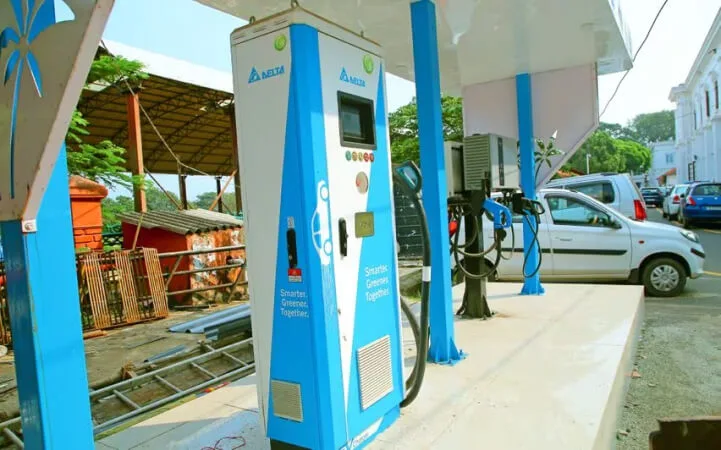
The strategy isn’t just about quantity—it’s about smart placement. Highway charging stations are positioned strategically to support intercity EV travel, making electric vehicles viable for India’s growing middle class.
The Bigger Picture: Quality Meets Quantity
Beyond charging infrastructure, the government is implementing AI-powered quality monitoring and drone analytics for highway construction, ensuring both EV infrastructure and road quality improve simultaneously.
This milestone represents more than numbers—it’s proof that India’s EV infrastructure development is accelerating toward a sustainable transportation future. With private sector enthusiasm and government support, the 4,500 highway charging points are just the beginning.
Learn More: EV Charging Station Locator | Highway Travel EV Guide

