

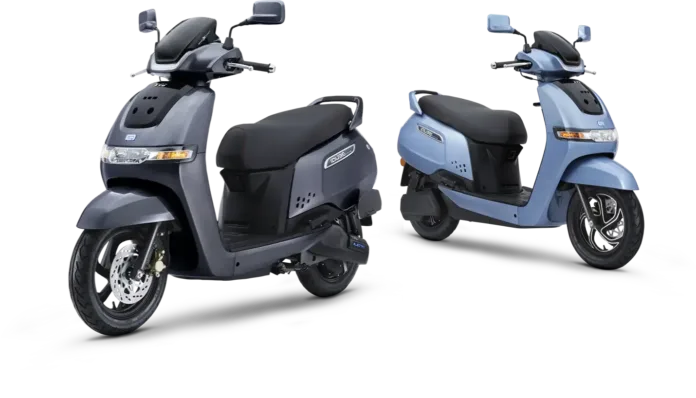

A recent Reserve Bank of India or RBI study reveals a clear pattern: states that provide financial assistance in the form of subsidies and grants are witnessing stronger adoption of two-wheeler electric vehicles (2W-EVs). This finding underscores the critical role of government incentives in accelerating India’s electric mobility transition.
Table of Contents
Current 2-Wheeler EV Incentive Landscape
| Scheme | Subsidy Amount | Coverage | Status |
|---|---|---|---|
| PM E-DRIVE | Up to ₹10,000 in first year | National | Rolling out soon |
| FAME II Extension | ₹2,500 per kWh for e-2W | National | Active from April 2025 |
| State Subsidies | Varies by state | Regional | Ongoing |
| Combined Benefits | Up to ₹25,000+ total | Depends on location | Stackable incentives |
Why Financial Assistance Matters
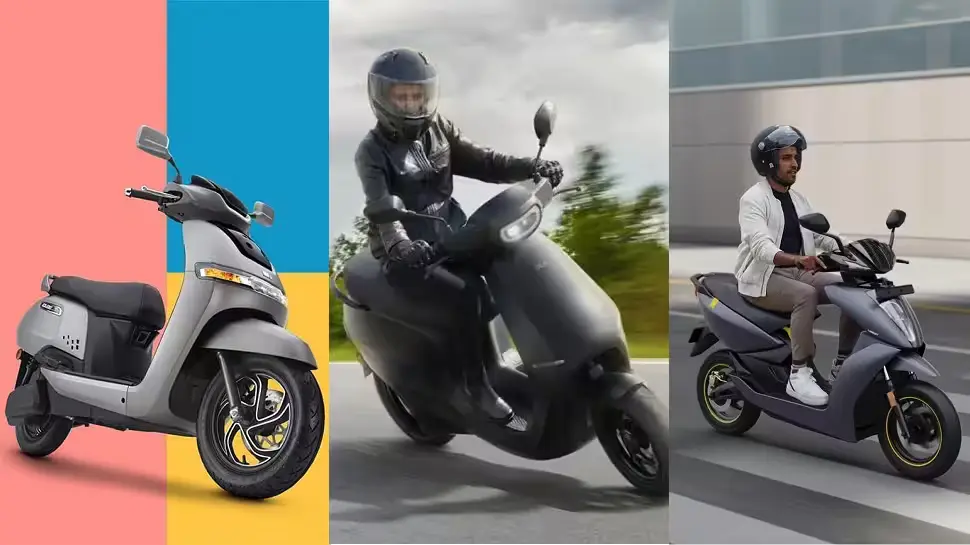
The RBI’s findings align with market realities. Electric two-wheelers represent the most accessible entry point for Indian consumers transitioning to electric mobility, but upfront costs remain a barrier. States offering robust financial assistance are creating a compelling value proposition that’s driving adoption rates significantly higher than national averages.
Key Benefits of State Incentives:
- Reduced upfront purchase costs
- Lower total cost of ownership
- Faster ROI for consumers
- Increased market confidence in EV technology
Top Performing States: Leaders in EV Adoption
While the complete RBI report details aren’t publicly available, states like Gujarat, Maharashtra, Delhi, and Karnataka have historically led in EV adoption due to their comprehensive incentive structures. These states typically offer:
- Purchase subsidies ranging from ₹5,000-15,000
- Road tax exemptions saving thousands annually
- Registration fee waivers reducing initial costs
- Charging infrastructure support for convenience
For detailed state-wise benefits, check our comprehensive state EV incentives guide.
The PM E-DRIVE Game Changer
Electric two-wheeler buyers can avail a maximum subsidy of up to Rs 10,000 in the first year of the PM E-DRIVE Scheme, as announced by Union Heavy Industries Minister HD Kumaraswamy. This new scheme, managed by the official PM E-DRIVE portal, represents a significant boost to national EV adoption efforts.
The scheme’s impact is expected to be substantial, particularly when combined with existing state incentives. Consumers in states with strong local policies could potentially save ₹20,000-25,000 on their electric two-wheeler purchase.
Financial Impact: Real Numbers for Buyers
Example Savings Calculation:
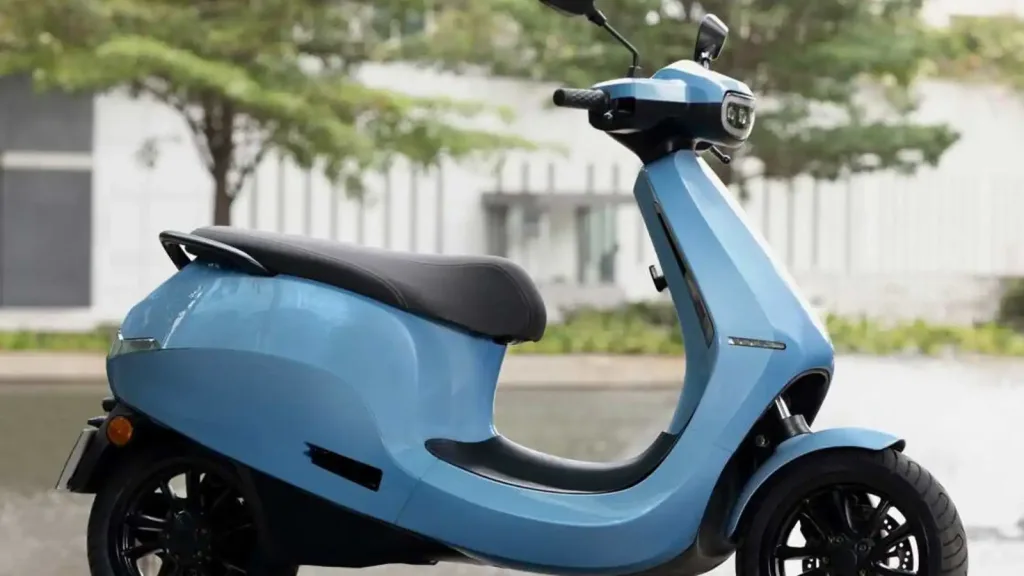
- Electric scooter price: ₹80,000
- PM E-DRIVE subsidy: ₹10,000
- State subsidy (average): ₹8,000
- Road tax exemption: ₹3,000
- Total savings: ₹21,000 (26% reduction)
This makes the effective purchase price highly competitive with petrol scooters while offering long-term savings on fuel and maintenance.
Market Implications
The RBI’s findings suggest that states lagging in EV adoption should consider implementing or enhancing their financial assistance programs. As documented by NITI Aayog’s EV reports, financial incentives remain the most effective policy tool for accelerating EV adoption.
For manufacturers, this data indicates where to focus marketing and distribution efforts. For buyers, it highlights the importance of timing and location when making EV purchase decisions.
Looking Ahead: Policy Recommendations
The RBI study reinforces the need for:
- Standardized incentive structures across states
- Long-term policy certainty for consumer confidence
- Focus on rural and semi-urban market penetration
- Integration with charging infrastructure development
As India targets significant EV adoption by 2030, states offering comprehensive financial assistance are likely to remain leaders in this transition.
Bottom Line: If you’re considering an electric two-wheeler, timing and location matter significantly. States with strong incentive programs offer compelling financial benefits that make the switch both economical and environmentally responsible.
Stay updated on the latest EV incentives and policies through our EV policy tracker and 2-wheeler EV buying guide.

