

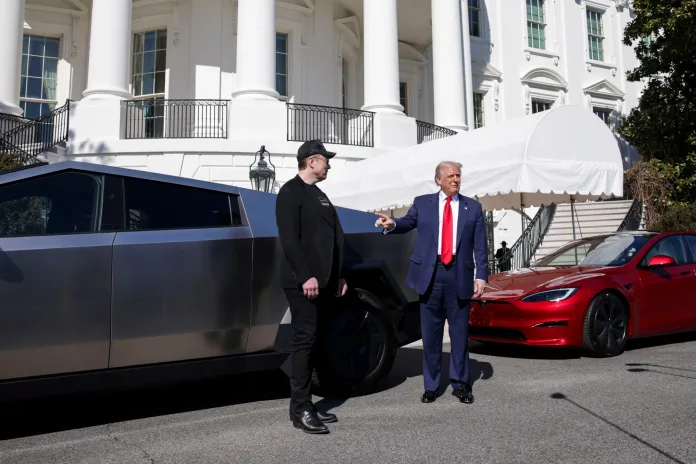

President Trump’s administration has made significant changes to America’s electric vehicle landscape, creating both uncertainty and opportunity for EV buyers. Here’s what you need to know about the latest policy shifts and their real-world impact.
Table of Contents
Trump’s EV Policy Shift: Key Policy Changes at a Glance
| Policy Area | Biden Era | Trump Administration |
|---|---|---|
| EV Tax Credit | $7,500 available | Eliminated after September 2025 |
| Federal EV Mandate | Strict emissions standards | Revoked via executive order |
| Charging Infrastructure | $7.5B NEVI program | Resumed with reduced requirements |

The Rush to Buy: EV Sales Surge Before Tax Credit Ends
EV sales are likely to “collapse” in the fourth quarter of 2025, once the tax credit expires, according to analysts. This has created a buying frenzy as consumers rush to secure the $7,500 federal tax credit before it disappears.
Smart Buying Tips:
- Act fast if you’re considering a new EV purchase
- Consider used electric vehicles as an alternative
- Research state-level incentives that may remain available
What “No EV Mandate” Really Means
Despite campaign rhetoric about eliminating the “EV mandate,” there has never been a federal mandate that prohibited Americans from buying gasoline-powered cars. The changes primarily affect:
- Automaker emissions standards – Relaxed requirements for fleet electrification
- Federal fleet purchases – Reduced pressure to buy electric government vehicles
- State flexibility – More freedom for states to set their own EV policies
Impact on Charging Infrastructure
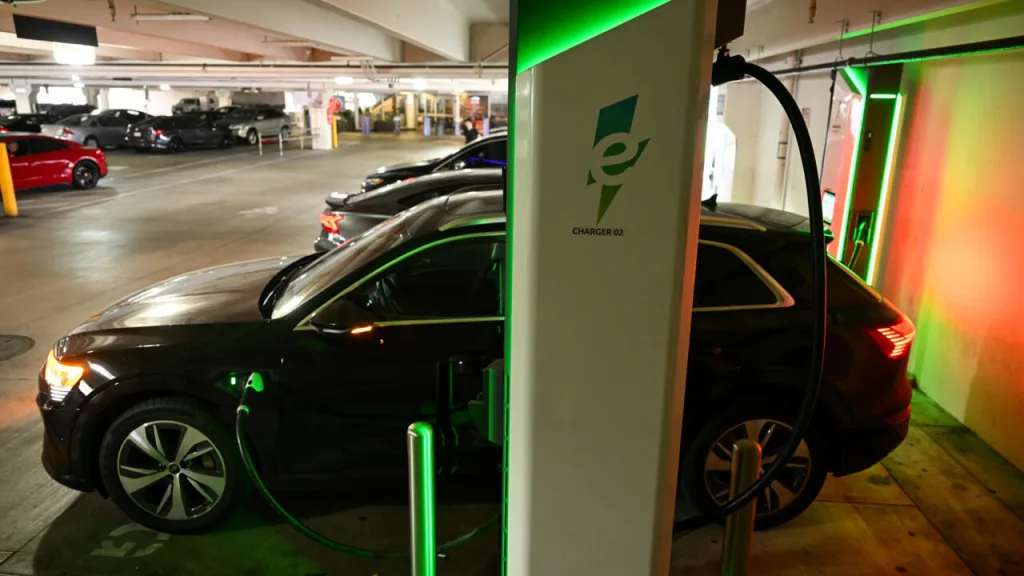
The Trump administration initially froze EV charging funding but later resumed it with modifications. States will no longer be required to engage with rural or underserved communities while planning charger locations, potentially slowing equitable charging access.
For current EV owners, this means continued expansion of charging networks, albeit with different priorities than the previous administration.
Looking Ahead: Market Predictions
Industry experts predict significant changes:
- Short-term: Sales boom through September 2025
- Long-term: BloombergNEF reduced both its near- and long-term EV outlook for the first time, cutting 14 million battery-powered cars from its sales projections through 2030
The shift may position the US as lagging behind global EV adoption trends, particularly compared to China and Europe.
Bottom Line for Consumers
While policy changes create uncertainty, the fundamentals driving EV adoption—lower operating costs, improving technology, and expanding charging networks—remain strong. The key is timing your purchase decision wisely and staying informed about evolving incentives at both federal and state levels.
For the latest updates on EV policies and market trends, bookmark our comprehensive EV policy tracker.

