



Chinese EV giant BYD continues its aggressive global expansion strategy with significant developments across three emerging markets—Nepal, Malaysia, and Cambodia. These moves demonstrate how the world’s largest EV manufacturer is systematically capturing markets that traditional automakers often overlook.
Table of Contents
Nepal: Seven-Model Strong Portfolio
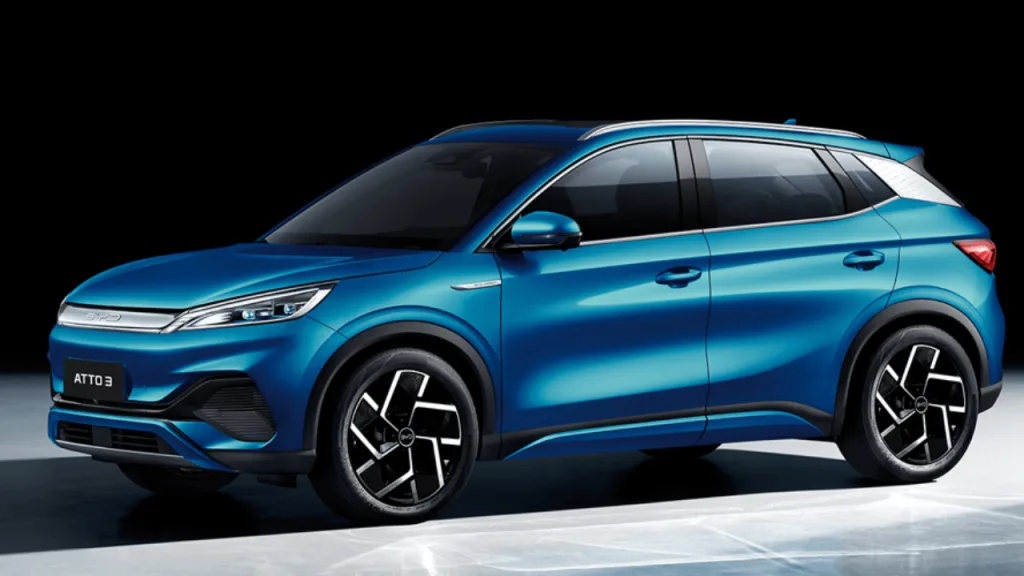
The company has rapidly established itself as a dominant force in Nepal’s growing electric vehicle market. The recent launch of the Atto 2 (Yuan Up in China) marks the company’s seventh model in the Himalayan nation.
BYD’s Nepal Timeline & Pricing
| Model Launch | Vehicle | Price (NPR) | Range |
|---|---|---|---|
| August 19, 2025 | Atto 2 | 4.399 million (~$31,325) | 345 km |
| August 6, 2025 | Atto 1 (Seagull) | – | – |
| October 2022 | Atto 3 (First passenger EV) | – | – |
| 2018 | e6 Taxi | Commercial launch | – |
The impressive 345-kilometer range on the Atto 2 demonstrates BYD’s commitment to adapting vehicle specifications for local market conditions—a strategy that could influence India’s neighboring EV ecosystem.
Malaysia: Manufacturing Hub Strategy
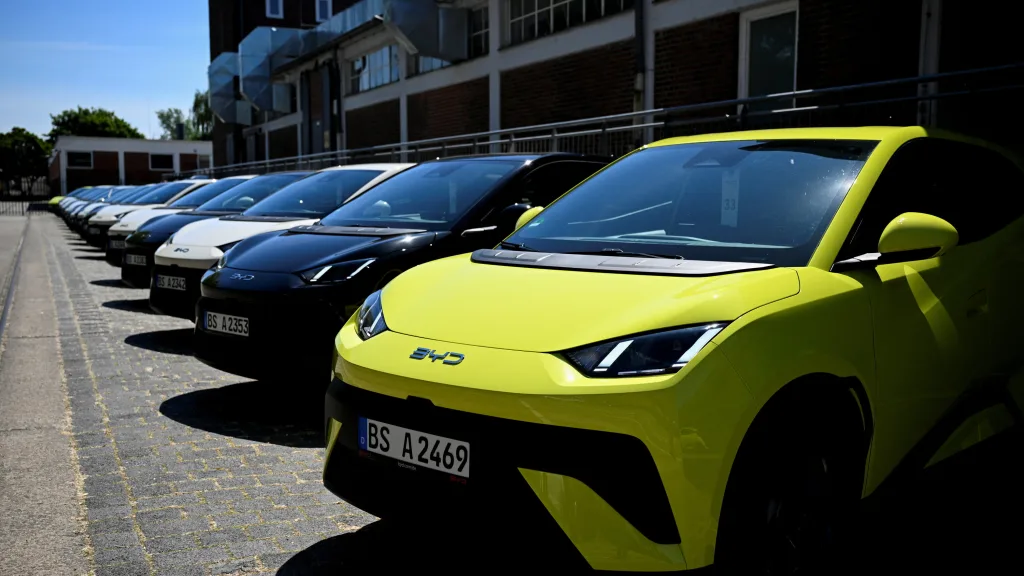
BYD’s decision to establish a CKD (Completely Knocked Down) assembly plant in Malaysia represents a significant strategic investment. Production begins in 2026, reinforcing Malaysia as a key Southeast Asian hub.
Market Performance:
- BYD Seal: Best-selling electric sedan in Malaysia (2024)
- 43 stores now operational
- New Seal pricing: RM 171,800-191,800 ($40,567-45,289)
“Malaysia has always been one of BYD’s most important markets in Southeast Asia,” noted Liu Xue Liang, General Manager of Auto Sales for BYD Asia-Pacific.
Cambodia: Doubling Down on Emerging Markets
Cambodia’s EV transformation showcases BYD’s vision for emerging economies. With a population of 18 million—comparable to Belgium and Norway combined—Cambodia represents untapped potential.
Expansion Roadmap
| Current Status | End-2025 Target |
|---|---|
| 7 stores, 1 service center | 13 stores, 6 service centers |
| 2,500 vehicle deliveries (2025) | 10,000 annual production capacity |
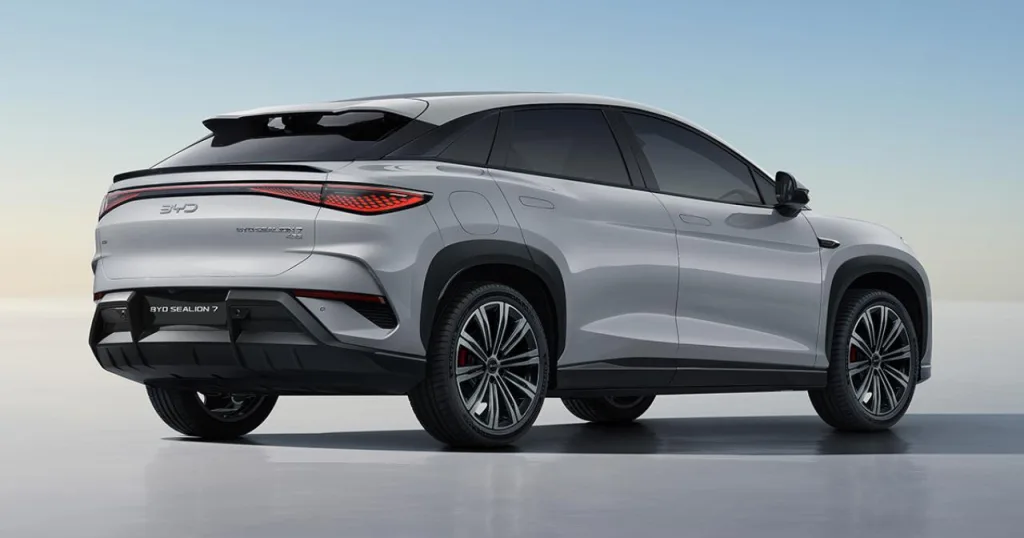
The planned vehicle assembly plant will produce 10,000 vehicles annually starting end-2025, with models including the recently launched Atto 2, Sealion 5, and upcoming Sealion 7 and M9.
Strategic Market Implications
Its expansion strategy in these markets offers valuable insights for India’s electric mobility sector:
Key Takeaways:
- Localized manufacturing reduces costs and import dependencies
- Diverse model portfolio caters to different market segments
- Service network expansion builds consumer confidence
- Emerging market focus captures growth opportunities
Regional EV Growth Patterns
These developments highlight how EV adoption is accelerating in markets traditionally overlooked by global automakers. The success patterns—starting with commercial vehicles (taxis), expanding passenger offerings, and eventually local assembly—provide a roadmap that other manufacturers might follow in similar markets.
For India’s automotive industry, BYD’s systematic approach to neighboring markets demonstrates the importance of understanding local preferences, building comprehensive service networks, and investing in local manufacturing capabilities.
As the company continues expanding across Asia’s emerging markets, these strategic moves position the company for sustained growth while accelerating regional EV adoption.
Source: CleanTechnica | BYD Global

