

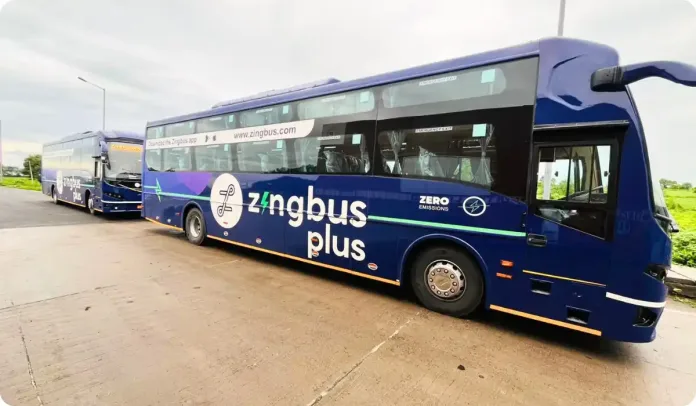

India’s leading intercity bus operator, ZingBus, has launched its electric premium service, marking a significant milestone in sustainable transportation. The company introduces electric intercity buses on the Delhi–Dehradun route, offering premium travel with reduced emissions, and plans to deploy 70 e-buses across India within a year.
Table of Contents
Game-Changing Move Toward Sustainable Mobility
This strategic launch positions ZingBus as a pioneer in electric intercity transportation, addressing the growing demand for eco-friendly travel options. Electric buses are estimated to save 25-30% on operational costs compared with diesel buses, thereby becoming an economically viable choice for operators.
The Delhi-Dehradun route serves as the perfect testing ground for this initiative, connecting the capital with the popular hill station while demonstrating the viability of electric buses for longer intercity journeys.
Key Features of ZingBus Electric Premium Service
| Service Highlights | Details |
|---|---|
| Launch Route | Delhi to Dehradun |
| Fleet Expansion Plan | 70 e-buses across India |
| Timeline | Complete deployment within 1 year |
| Cost Savings | 25-30% operational cost reduction |
| Environmental Impact | Zero direct emissions |
| Service Type | Premium intercity travel |
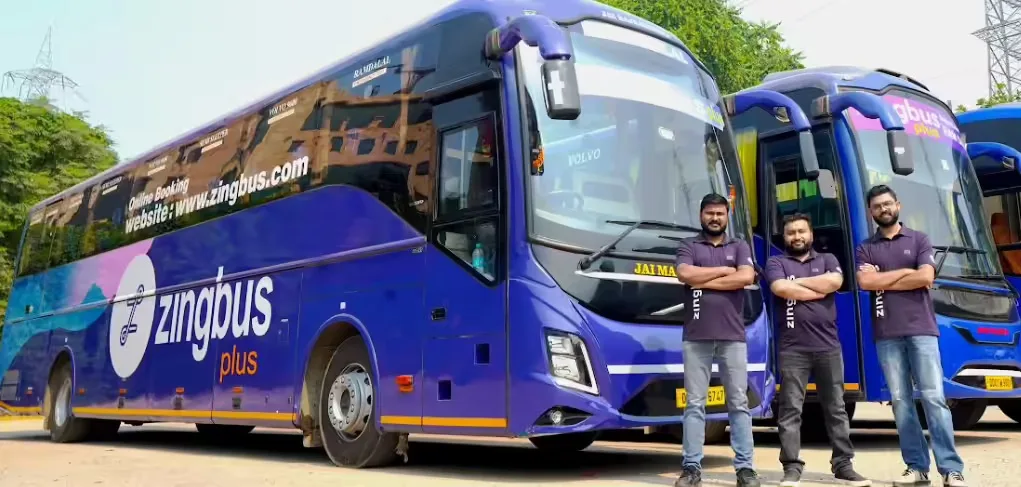
Environmental and Economic Benefits
Switching to electric buses can lower emissions and improve air quality. As these buses rely on batteries, they produce zero emissions and help eliminate tailpipe emissions while significantly minimizing the release of harmful pollutants like particulate matter and nitrogen oxides.
The economic advantages are equally compelling. With over 20,000 EV charging stations in India till 2024, which are expected to double by 2025, the infrastructure is rapidly developing to support widespread electric bus operations.
Strategic Partnership and Industry Impact
ZingBus recently attracted $9 million Series A funding from bp Ventures to boost its electric bus operations in India, providing the financial backing necessary for this ambitious expansion. This partnership underscores the confidence international investors have in India’s electric mobility future.
The company’s commitment extends beyond just fleet electrification. ZingBus has partnered with the National Highways for Electric Vehicles (NHEV) for a joint e-mobility project aiming to help private diesel bus operators convert to accepting and working with electric vehicles.
Future of Intercity Electric Travel
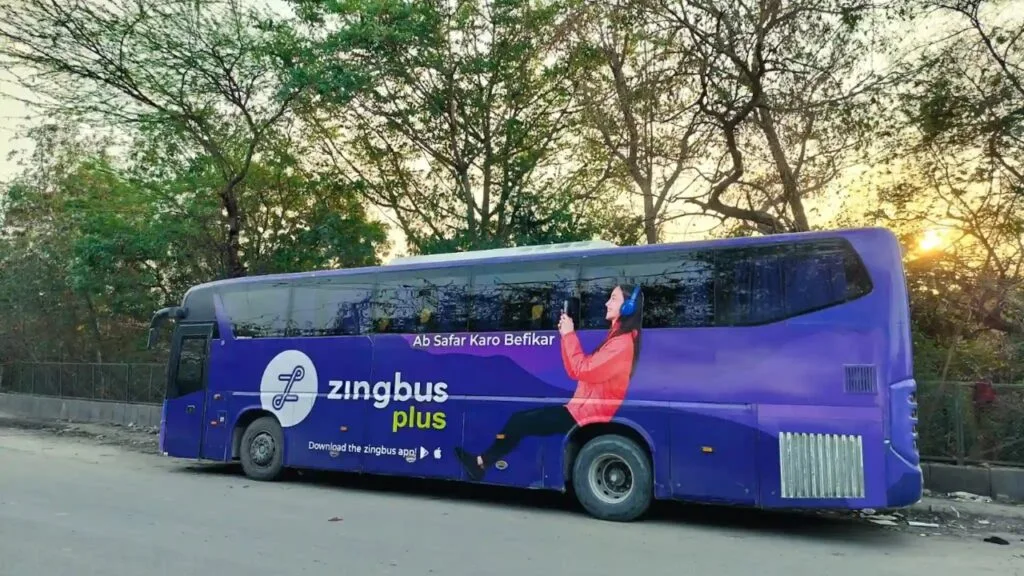
Founded in 2019, zingbus is the largest tech-based intercity bus service provider in India with an established network of 350+ buses catering to over 500 cities, having served more than 2.5 million customers. This strong foundation provides the perfect platform for electric fleet expansion.
The Delhi-Dehradun electric service represents more than just a route launch—it’s a blueprint for sustainable intercity transportation across India. As charging infrastructure continues to expand and battery technology improves, electric buses are poised to transform how Indians travel between cities.
Market Implications
This launch comes at a crucial time when cities like Delhi, Mumbai, Bangalore, and Chennai are aggressively integrating electric bus operations into their public transport systems, with the government’s FAME-II initiative playing a significant role in this transition.
For passengers, this means access to quieter, cleaner, and potentially more cost-effective intercity travel options. The premium positioning ensures that early adopters receive enhanced comfort while supporting environmental sustainability.
ZingBus’s bold move into electric intercity transportation sets a new standard for the industry and demonstrates that sustainable mobility solutions are not just environmentally responsible but economically viable for the future of Indian transportation.
Stay informed about India’s evolving electric vehicle landscape at indiaevnews.com. Follow our Sustainable Transportation section for more insights on electric mobility trends.
Sources:

