

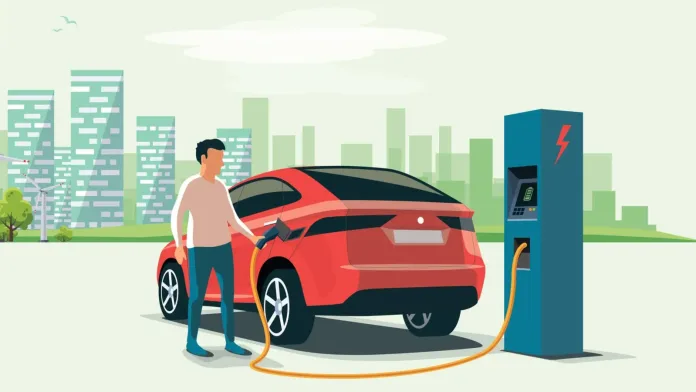

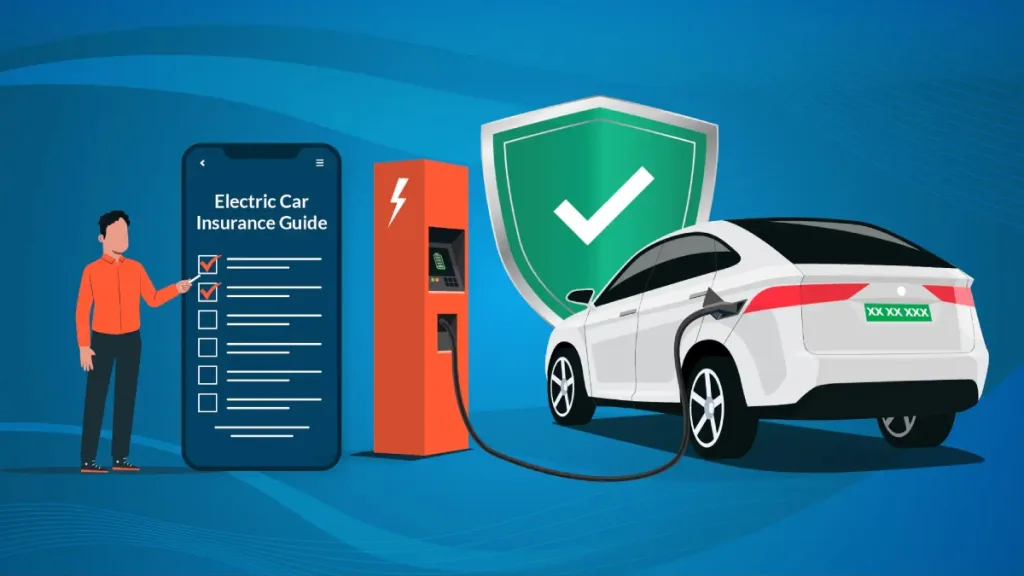
EV Insurance Premium in India 2025: Switching to an electric vehicle? Smart move! But here’s what many EV buyers don’t realize: your insurance premium is actually lower than for conventional cars. IRDAI has mandated a 15% discount on third-party insurance premium rates for electric vehicles compared to petrol and diesel cars.
Let’s decode everything about electric car insurance premiums and help you save money while protecting your investment.
Table of Contents
Current Electric Car Insurance Premium Rates
Third-party motor insurance for private electric cars (non-commercial) not exceeding 30kW costs ₹1,780 per annum as per the latest IRDAI notification. Here’s how EV insurance stacks up:
| Vehicle Type | Annual Premium (Third-Party) | Savings vs ICE |
|---|---|---|
| Electric Car (≤30kW) | ₹1,780 | 15% discount |
| Electric Car (>30kW) | Based on capacity | 15% discount |
| Petrol Car (≤1000cc) | ₹2,094 | Standard rate |
| Petrol Car (>1500cc) | ₹4,694 | Standard rate |
Why Are EV Insurance Premiums Lower?
The government’s push for electric mobility reflects in insurance pricing:
1. Policy Support: IRDAI’s circular promotes EV adoption with 15% discount while hybrid vehicles get 7.5% reduction
2. Lower Risk Profile: EVs have fewer mechanical parts, reducing breakdown risks compared to traditional ICE vehicles
3. Advanced Safety Features: Most EVs come with superior safety technology as covered in our EV safety features guide
4. Environmental Incentive: Part of India’s sustainable mobility initiative under the Ministry of Heavy Industries
Comprehensive vs Third-Party: What You Need
| Coverage Type | What’s Covered | Recommended For |
|---|---|---|
| Third-Party Only | Legal liability, mandatory coverage | Budget-conscious owners |
| Comprehensive | Own damage + third-party + theft | All EV owners (recommended) |
| Comprehensive + Add-ons | Battery cover, roadside assistance | Premium protection |
Special EV Insurance Considerations
Battery Coverage: The heart of your EV needs special attention. Most insurers now offer battery protection add-ons covering:
- Battery damage due to accidents
- Fire incidents affecting battery pack
- Water ingress protection
- Manufacturing defects (beyond warranty)
Learn more about EV battery technology and protection options.
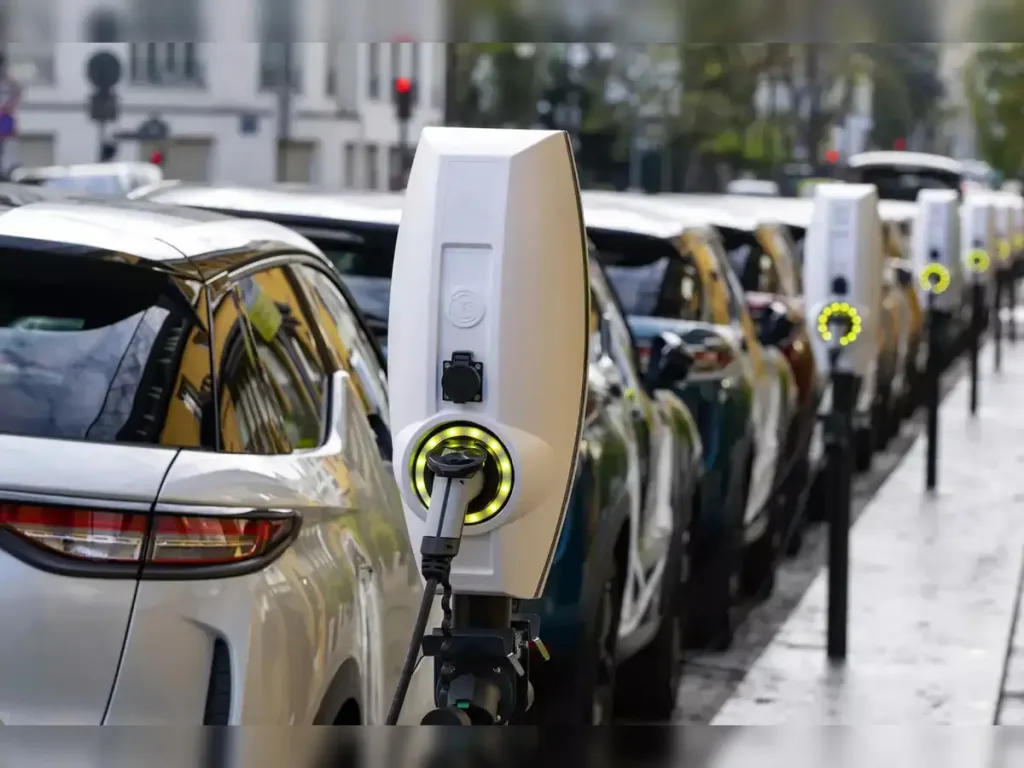
Charging Equipment: Your home charging station and cables can be covered under comprehensive policies. Check our home charging setup guide for installation tips.
Depreciation Shield: EVs depreciate differently than ICE vehicles, making this add-on valuable.
How to Calculate Your Insurance Premium
Your final premium depends on:
Base Factors:
- Vehicle’s IDV (Insured Declared Value)
- Battery capacity and type
- Safety features and ratings
- Your driving history
Location Impact:
- Metro cities: Higher premium due to traffic density
- Tier-2/3 cities: Lower premium, limited service network
Usage Patterns:
- Annual mileage
- Parking location (covered vs open)
- Primary usage (personal vs commercial)
Money-Saving Tips for EV Insurance
1. Compare Multiple Insurers: Premium varies by 20-30% across companies
2. Annual vs Long-term: Three-year policies often offer additional savings
3. No-Claim Bonus: Maintain claim-free record for up to 50% discount
4. Security Devices: Anti-theft systems can reduce premium by 2.5-7.5%
5. Voluntary Deductible: Opt for higher deductible to lower the premium.
Top Insurers for Electric Vehicle Coverage
Leading insurers offering competitive EV insurance include:
- Bajaj Allianz: Comprehensive EV-specific policies
- Tata AIG: Specialized electric vehicle coverage
- Digit Insurance: Tech-friendly approach with app-based services
- ACKO: Direct online insurance with transparent pricing
For detailed insurer comparisons, visit our best EV insurance providers guide.
Future of EV Insurance Premiums
Expect these trends as per government roadmaps:
- Further Premium Reductions: As EV adoption increases under FAME II scheme
- Usage-Based Insurance: Pay-per-kilometer options
- Telematics Integration: Real-time driving behavior assessment
- Battery-as-a-Service: Separate coverage for leased batteries
Stay informed about policy changes with our EV policy updates section.
Bottom Line: Is EV Insurance Worth It?
Absolutely! With 15% lower third-party premiums and comprehensive coverage starting from just ₹1,780 annually, EV insurance offers excellent value. The key is choosing the right coverage level and insurer.
Pro Tip: Don’t just focus on premium cost. Evaluate claim settlement ratio, network garage availability, and EV-specific expertise when choosing your insurer. Our EV insurance checklist can help you make the right choice.
Planning to buy an electric vehicle? Check out our comprehensive EV buying guide for detailed comparisons and expert reviews.
Stay updated with the latest EV insurance trends and policies at IndiaEVNews.com – your trusted source for electric vehicle insights in India.

