

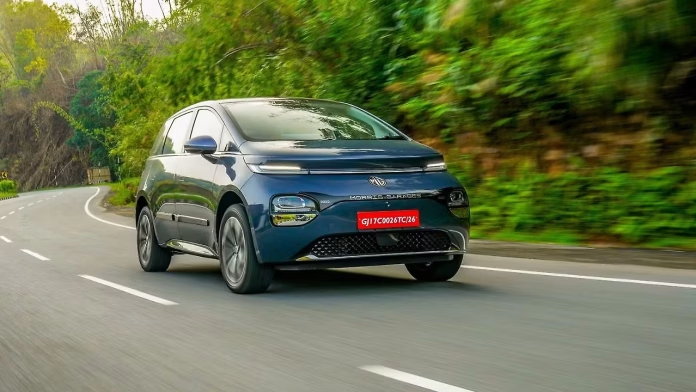

Electric vehicles (EVs) are having their moment in India. With government incentives, improving infrastructure, and dropping prices, more drivers are making the switch. But is 2025 the right time for you to go electric? Let’s break it down.
Table of Contents
The Current EV Landscape
The electric vehicle market has transformed dramatically. What once seemed like a futuristic concept is now mainstream, with options available across every price segment. Even traditional petrol lovers are embracing the instant torque and silent operation that EVs offer.
Pros vs Cons: The Reality Check
| Advantages | Disadvantages |
|---|---|
| Lower running costs | Higher upfront investment |
| Instant torque delivery | Charging infrastructure gaps |
| Minimal maintenance | Range anxiety on long trips |
| Government incentives | Battery replacement costs |
| Environmental benefits | Resale value uncertainty |
The Financial Picture
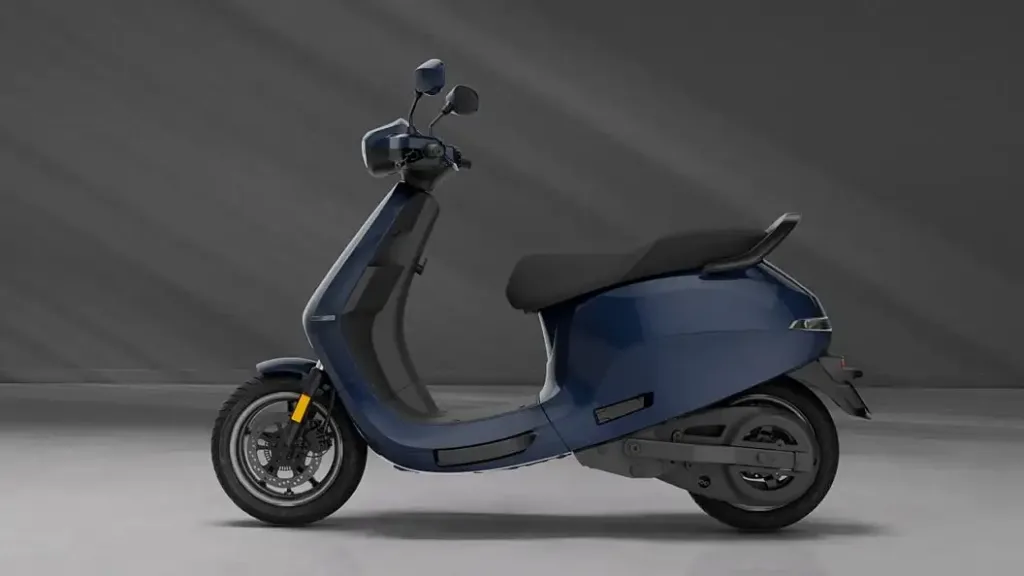
Here’s where EVs truly shine. With petrol prices soaring and government subsidies still available, the math increasingly favors electric. Home charging with solar panels can reduce your fuel costs to almost zero, while toll exemptions on highways add extra savings.
Most manufacturers now offer 8-year warranties, with some providing lifetime battery coverage. Service costs are significantly lower due to fewer moving parts.
Infrastructure Reality
India’s charging network is expanding rapidly. The government has approved the installation of over 22,000 charging stations under the FAME II scheme. However, highway charging infrastructure still needs improvement for hassle-free long-distance travel.
The Big Catch
Here’s the elephant in the room: nothing this good lasts forever. History shows us that disruptive technologies often start with attractive incentives that gradually reduce. Think of Jio’s free data or early streaming services without ads.
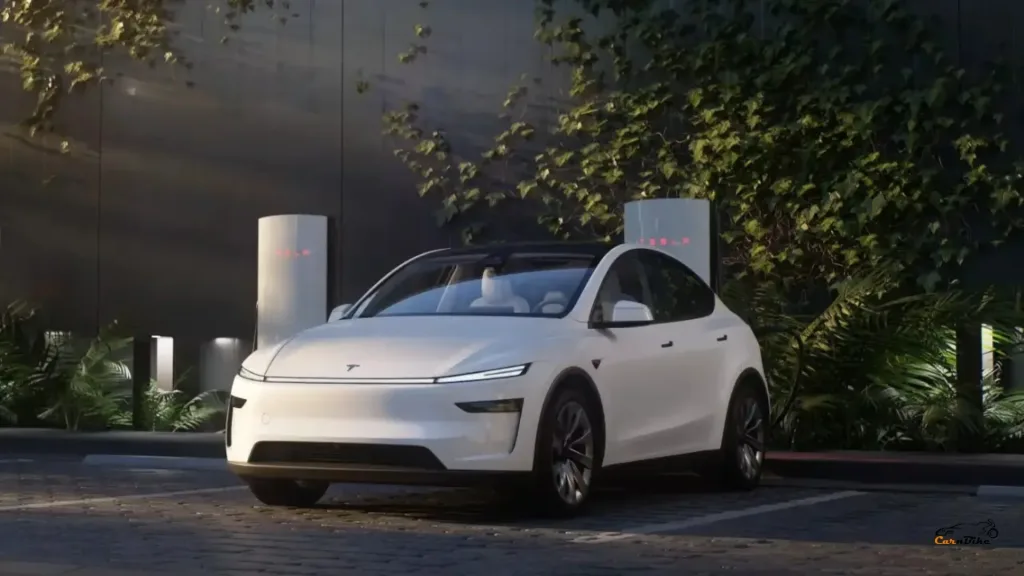
As EV adoption increases, we can expect:
- Reduced government subsidies
- Higher fast-charging tariffs
- Increased road taxes on EVs
- Premium pricing for charging infrastructure
Bottom Line: Should You Buy?
If you’re a city driver with predictable routes and home charging access, 2025 could be your sweet spot. The combination of current incentives, improving technology, and expanding infrastructure creates a compelling case.
However, if you frequently undertake long highway trips or lack charging facilities, waiting another year or two might be wiser.
Pro tip: Consider your specific use case rather than following the crowd. The EV revolution is inevitable, but timing your entry based on your needs will ensure the best experience.
Ready to explore EV options? Check out our comprehensive EV buying guide for detailed model comparisons and expert reviews.
For more automotive insights and the latest EV news, visit IndiaEVNews.com – your trusted source for electric vehicle information in India.

