

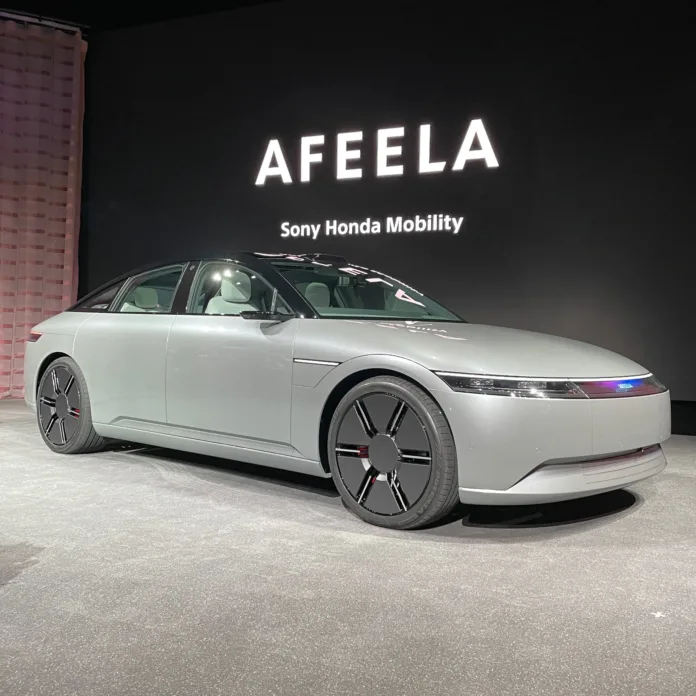

The automotive industry is witnessing another significant legal battle as California car dealers have filed a lawsuit against Sony Honda Mobility over the company’s plan to sell its Afeela electric vehicles directly to consumers. This case could reshape how EVs are sold in America’s largest auto market.
Table of Contents
The Lawsuit Details
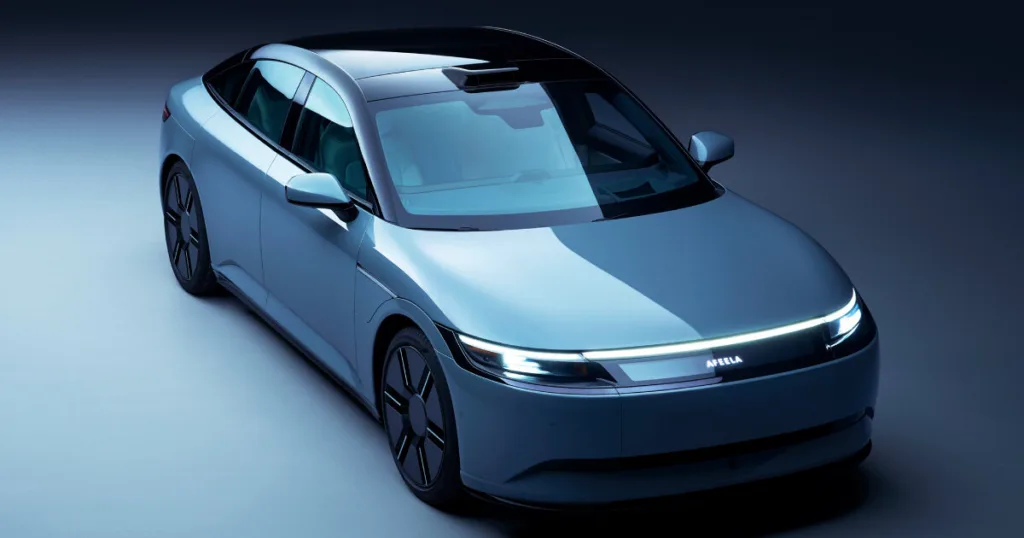
The California New Car Dealers Association (CNCDA) filed the lawsuit in Los Angeles County Superior Court, targeting the $89,900 Afeela 1 electric sedan scheduled for mid-2026 delivery. The legal challenge centers on Sony Honda Mobility’s direct-to-consumer sales model that bypasses traditional Honda and Acura dealerships.
Key Legal Arguments
| Plaintiff Claims | Details |
|---|---|
| State Law Violation | Direct sales allegedly violate California franchise laws |
| Unfair Competition | Lawsuit seeks civil penalties exceeding $35 million |
| Dealer Bypass | Collecting deposits directly from consumers online |
| False Advertising | Promoting illegal direct sales model |
Source: CNCDA Official Statement
Why This Matters for EV Industry
Growing Trend of Direct Sales
This lawsuit isn’t isolated. CNCDA previously sued Volkswagen Group over Scout EV’s direct-sales model in April 2024, indicating a broader industry conflict between traditional dealers and EV startups.
Stakes for Consumers
- Pricing Transparency: Direct sales often mean clearer, non-negotiable pricing
- Service Networks: Questions about maintenance and support without dealer networks
- Market Access: Potential restrictions on EV availability in dealer-protected states
The Afeela Advantage
Despite legal challenges, the Afeela 1 represents a technological leap:
- Advanced AI and entertainment integration
- Assembly at Honda’s Ohio facility ensures quality manufacturing
- Sony’s entertainment technology merged with Honda’s automotive expertise
Learn more about EV manufacturing trends and how global automakers are adapting their strategies.
What’s At Stake?
This legal battle extends beyond one vehicle model—it’s about the future of automotive retail. With potential penalties exceeding $35 million, the outcome could influence how other automakers approach direct sales in California and beyond.
The case also highlights the tension between traditional automotive retail models and the direct-sales approach favored by many EV manufacturers.
Industry Impact
As the EV market evolves, this lawsuit represents a crucial test case for manufacturer-dealer relationships. The resolution could set precedents for other states considering similar franchise law enforcement.
Stay informed about the latest EV industry developments and legal battles at indiaevnews.com
Related Coverage:

