

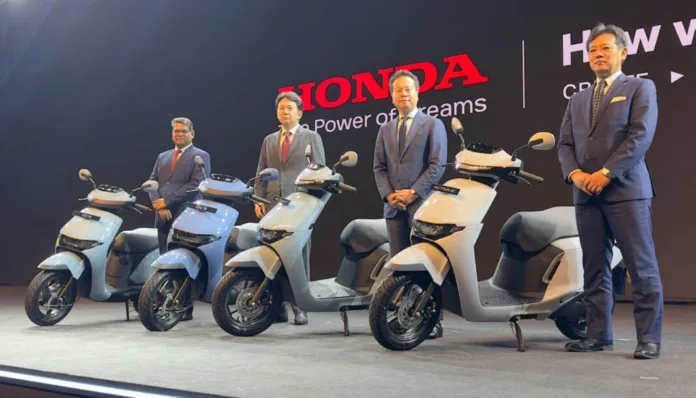

Honda Motorcycle & Scooters India has achieved a milestone by selling 5,173 QC1 and Activa e electric scooters in six months (February-July 2025), marking the legacy giant’s strategic entry into India’s booming electric mobility sector. Honda manufactured 11,168 Activa e and QC1 electric scooters and sold 5,173 units between February and July 2025, demonstrating steady market traction despite being a newcomer.
Table of Contents
QC1 Dominates Honda’s EV Sales Mix
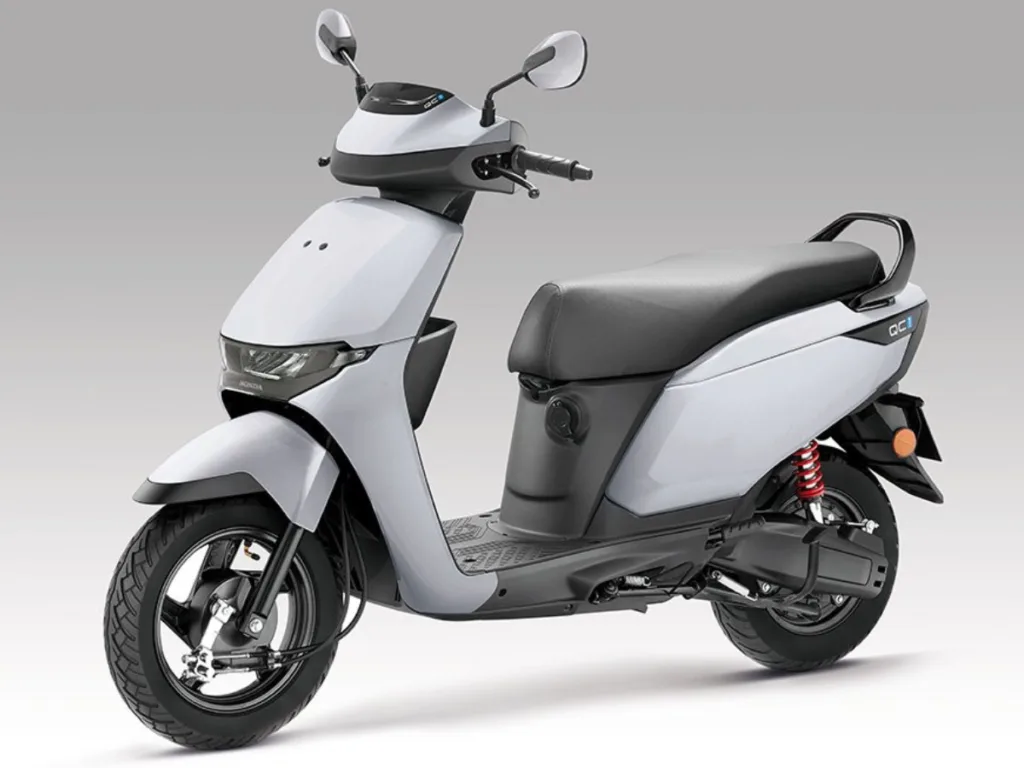
The numbers reveal a clear consumer preference story. In the February-June 2025 period, the more affordable QC1, which can be charged at home, accounted for 86% of the sales compared to the Activa e which uses swappable batteries. This preference pattern mirrors India’s cost-conscious two-wheeler market dynamics.
Honda EV Sales Breakdown (Feb-July 2025):
| Model | Sales Share | Key Feature | Target Audience |
|---|---|---|---|
| QC1 | 86% (4,449 units) | Home charging | Budget-conscious commuters |
| Activa e | 14% (724 units) | Swappable battery | Premium users |
| Total | 100% (5,173 units) | Dual strategy | Mass market |
Strategic Market Entry: Cautious but Confident
Honda’s approach reflects calculated market entry rather than aggressive expansion. With production capacity exceeding sales by more than 2x, the company maintains inventory buffer while gauging market response. This strategy aligns with Honda’s traditional approach of quality over quick volume gains.
Government Policy Support Driving Success
Honda’s EV journey benefits from comprehensive government support. The FAME II scheme provides crucial incentives, while the Scheme to Promote Manufacturing of Electric Passenger Cars creates favorable manufacturing conditions for legacy OEMs transitioning to electric mobility.
The Electric Vehicle Incentives framework reduces ownership costs, making Honda’s EVs more attractive to price-sensitive consumers.
Market Context: David vs. Goliath Story
Honda enters a market dominated by EV-first players. While competitors like Ola Electric and Ather Energy leverage startup agility, Honda brings decades of manufacturing expertise and brand trust. The company’s measured approach contrasts sharply with aggressive new entrants but reflects confidence in long-term market positioning.
Industry Performance Comparison:
- Honda (Feb-July 2025): 5,173 units
- Market leaders: 40,000+ monthly sales
- Honda’s strategy: Quality and reliability focus
What’s Driving QC1’s Success?
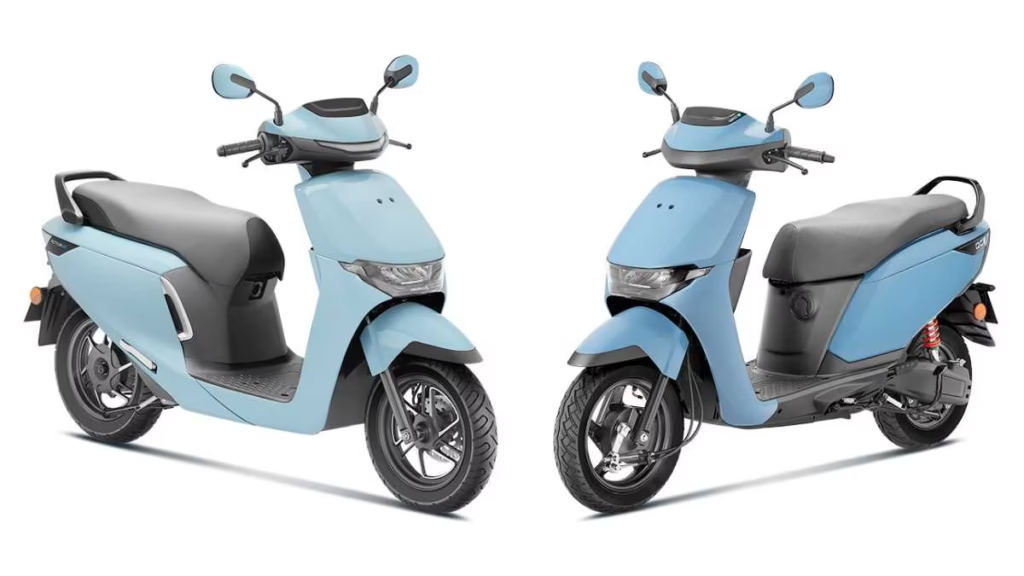
The QC1’s dominance stems from practical Indian consumer preferences:
Home Charging Advantage: No dependency on external infrastructure Affordability Factor: Lower price point appeals to mass market Simplicity: Familiar charging experience reduces adoption barriers
Meanwhile, Activa e’s swappable battery technology targets urban professionals seeking quick charging solutions, though infrastructure limitations currently restrict its appeal.
Future Growth Trajectory
Honda’s conservative start positions it well for sustainable growth. The company’s official EV strategy emphasizes building robust service networks and customer confidence before aggressive expansion.
With India’s EV market projected for exponential growth, Honda’s methodical approach could prove advantageous as infrastructure matures and consumer awareness increases.
For comprehensive analysis of legacy OEMs’ EV strategies and market performance, visit IndiaEVNews.com for detailed coverage and insights.
Honda’s 5,173-unit achievement may seem modest compared to EV specialists, but it represents a solid foundation for India’s most trusted two-wheeler brand to build upon in the electric era.

