

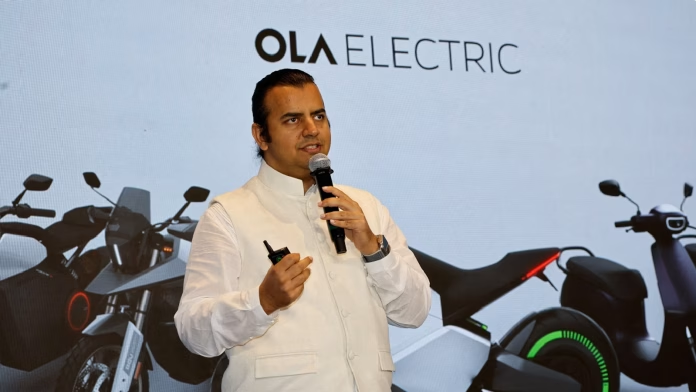

India’s electric vehicle revolution is about to hit the accelerator. According to Ola Electric’s founder Bhavish Aggarwal, the country’s EV market sits perfectly positioned in the middle of an S-curve—that critical inflection point where explosive growth becomes inevitable.
Table of Contents
The S-Curve Science Behind EV Adoption
Every transformative technology follows the same pattern: slow initial adoption, followed by explosive mainstream acceptance, then gradual market saturation. India’s EV market, forecasted to reach approximately $2,108.80 billion by 2033 with a significant CAGR of 23.42% from 2024 to 2033, exemplifies this phenomenon perfectly.
The numbers tell the story. EV sales in India reached 1,69,931 units in January 2025, showing 19.4% month-on-month and 17.1% year-on-year growth. This isn’t just growth—it’s the momentum building before the steep climb.

Why Now is the Tipping Point
Aggarwal’s confidence stems from multiple converging factors reshaping India’s mobility landscape. The infrastructure backbone is strengthening rapidly, while consumer psychology shifts from skepticism to acceptance.
The government’s recent policy moves, including slashing EV import duties from 100% to 15% for vehicles over $35,000, signal serious commitment to electric transformation. This isn’t just about reducing barriers—it’s about creating conditions for the next growth surge.
The Ola Electric Evidence
Aggarwal’s front-row seat to this transformation provides unique insights. By April 2024, Ola Electric had cornered over half of the domestic EV scooter market, demonstrating how quickly market dynamics can shift when the right conditions align.
Despite facing challenges, Ola Electric continues to lead as the top electric two-wheeler manufacturer in India, with plans to expand from 625 partners to 10,000 by the end of 2025. This aggressive expansion reflects confidence in imminent market acceleration.
Investment Patterns Confirm the Trend
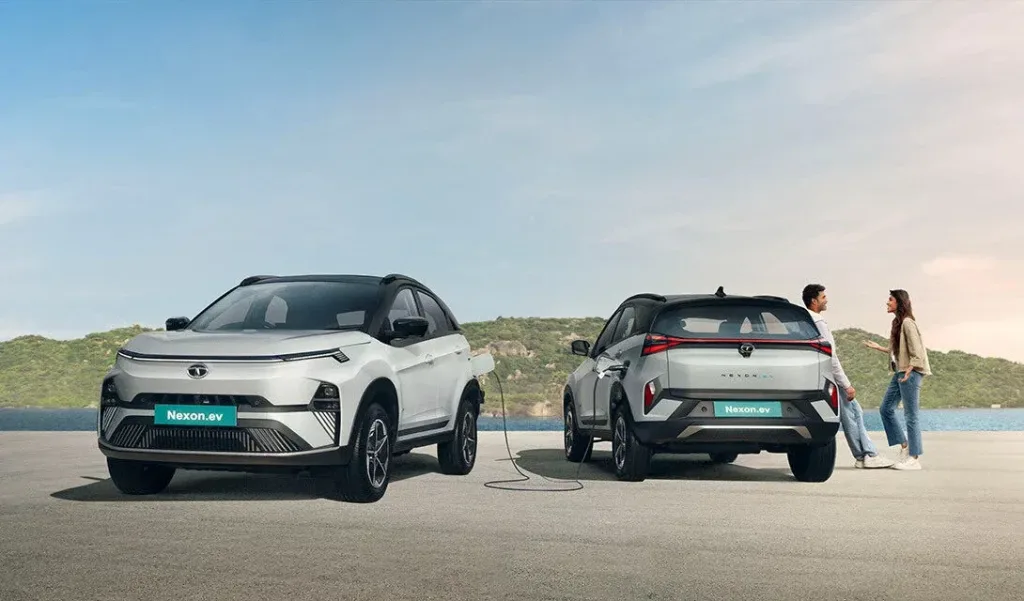
The India EV market experienced significant investment uptick with $1.5–$2B of capital raised in each of 2021 and 2022, predominantly directed into OEMs such as Tata, Mahindra, Ola, and Ather. Smart money recognizes the S-curve opportunity.
These investments aren’t speculative bets—they’re calculated positioning for the steep ramp-up phase that Aggarwal predicts is imminent.
Technology Readiness Meets Market Demand
The convergence is unmistakable. Battery costs continue plummeting while performance improves. Charging infrastructure expands exponentially. Most importantly, Indian consumers increasingly view EVs as practical alternatives rather than experimental purchases.
Two-wheelers lead this transformation because they address real pain points: rising fuel costs, urban pollution, and parking challenges. Success in this segment creates the foundation for broader EV adoption across all categories.
Manufacturing Scale Creates Momentum
Aggarwal’s vision extends beyond current success, with plans for facilities capable of producing 1 million cars, 10 million two-wheelers and 100-gigawatt hours of cells annually. This scale thinking reflects understanding that the next phase requires massive capacity.
The S-curve’s steep portion demands infrastructure that can handle exponential, not linear, growth.
Global Context Accelerates Local Adoption
India doesn’t exist in isolation. Global EV trends, supply chain developments, and technology advances all contribute to domestic market acceleration. As international players increase local investments and partnerships, the ecosystem strengthens dramatically.
The Road Ahead
Aggarwal’s S-curve prediction isn’t wishful thinking—it’s pattern recognition. India exhibits all characteristics of a market approaching inflection: improving technology, supportive policies, growing infrastructure, changing consumer preferences, and increasing investment.
The question isn’t whether the steep ramp-up will happen, but how quickly. Early indicators suggest the acceleration phase has already begun, with monthly growth rates consistently exceeding expectations.
For investors, manufacturers, and consumers, understanding this S-curve positioning is crucial. The next 18-24 months could determine market leaders for the next decade as India’s EV revolution shifts from gradual evolution to explosive transformation.

