

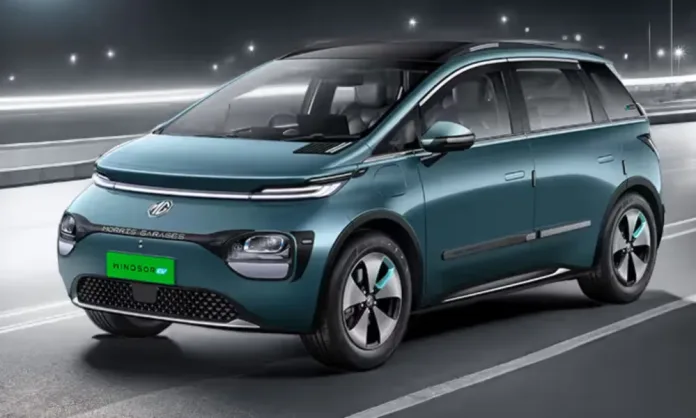

MG Windsor EV, the electric vehicle battleground just witnessed a dramatic plot twist! After months of watching MG Motor India dominate with its Windsor EV juggernaut, Tata Motors staged a spectacular comeback in July 2025, reclaiming the EV crown with 7,124 units sold against MG’s 6,678 units. This isn’t just about numbers—it’s about the changing dynamics of India’s electric future.
Table of Contents
MG Windsor EV : The Three-Month Siege That Shook Tata
For three consecutive months, MG Motor had achieved what seemed impossible—dethroning Tata Motors from its long-held EV leadership position. April 2025: MG sold 6,011 EVs, while Tata managed 5,412 units. May 2025: MG stayed ahead with 6,202 units, and Tata followed with 5,832 units. June 2025: MG registered 6,684 EVs, and Tata was at 6,171 units.
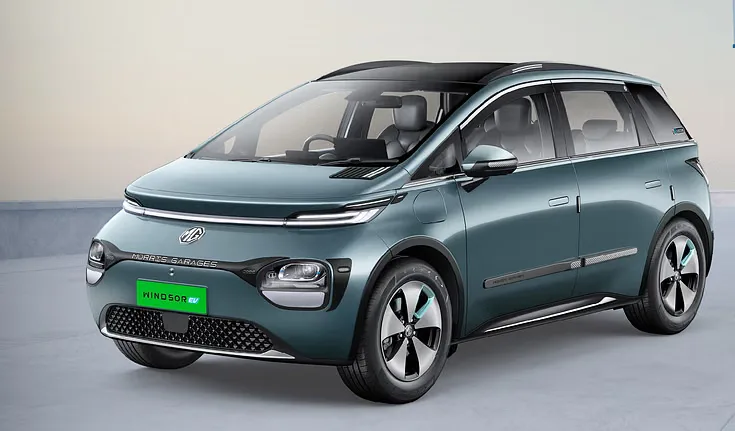
This unprecedented streak marked a seismic shift in India’s EV landscape, with MG’s sales largely driven by its flagship Windsor EV, which consistently captured over 60% of the company’s monthly volumes.
July’s Dramatic Reversal: The Numbers Game
In July 2025, Tata Motors sold 7,124 electric cars in India, marking a strong comeback and surpassing MG Motor India’s 6,678 EV sales. This remarkable turnaround represents more than just market leadership—it demonstrates the power of portfolio diversification.
Tata’s jump to 7,124 units in July 2025, compared to 5,027 units in July 2024, represents a 41.7% year-on-year growth. This isn’t merely recovery; it’s strategic expansion executed with precision.
The Windsor Factor: MG’s Secret Weapon
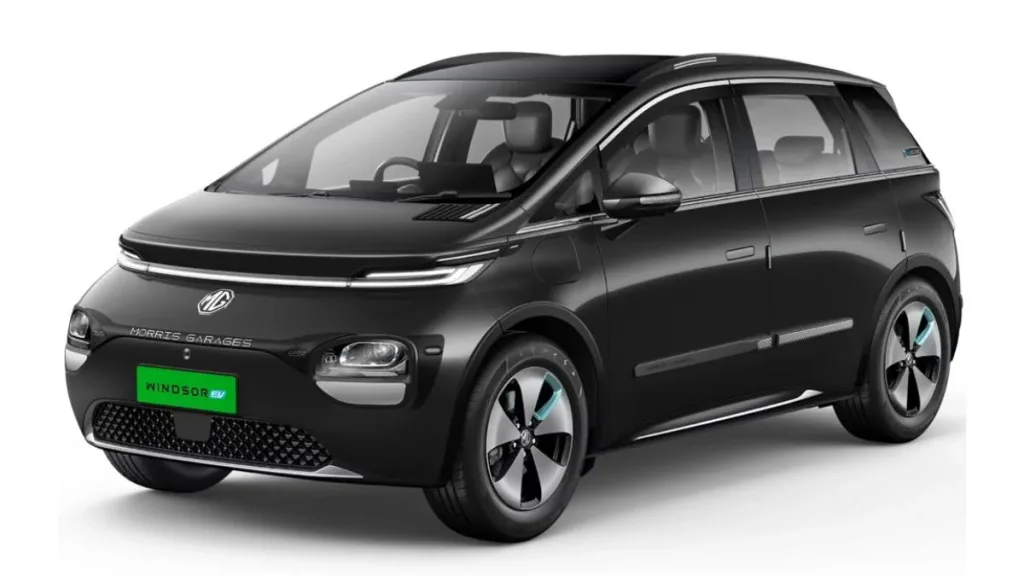
MG’s impressive performance has been anchored by the Windsor EV’s phenomenal market reception. MG’s sales were largely driven by its flagship Windsor EV (~4,000+ units estimated) based on June’s 65% share pattern. The Windsor EV has become more than just a product—it’s a market disruptor that forced established players to rethink their strategies.
The Windsor’s success stems from its compelling value proposition: starting at ₹9.99 lakh, it offers premium features typically associated with higher-priced segments, making electric mobility accessible to middle-class Indian families.
Tata’s Comeback Strategy: Diversification Wins
Tata’s July triumph wasn’t accidental. Here’s the model-wise contribution: Tata Nexon EV: ~3,300 units, Tata Punch EV: ~2,000 units, Tigor EV and Tiago EV: ~1,300 units combined, Tata Harrier EV: ~500–600 early deliveries.
Unlike MG’s Windsor-heavy approach, Tata’s strength lies in portfolio breadth. From the affordable Tiago EV (₹7.99 lakh) to the premium Harrier EV, Tata offers solutions across price segments, reducing dependency on single-model performance.
Market Dynamics: The Bigger Picture
The total electric passenger vehicle sales in July 2025 crossed 15,200 units, a new monthly record. EV penetration in the overall PV market stood at 4.6%, up from 2.9% in July 2024.
This growth reflects India’s accelerating EV adoption, driven by improving infrastructure, government incentives, and evolving consumer preferences. The competition between Tata and MG is actually expanding the overall market, benefiting the entire ecosystem.
Infrastructure: The Game Changer
Tata’s strategic advantage extends beyond products. The company has installed over 5,000 public charging points across India under its collaboration with Tata Power, strengthening customer confidence in long-distance travel.
This infrastructure investment addresses range anxiety—one of the primary barriers to EV adoption—creating a sustainable competitive moat that’s difficult for competitors to replicate quickly.
What This Means for Consumers
The intense competition benefits Indian car buyers tremendously. MG’s aggressive pricing with the Windsor EV has forced Tata to enhance value propositions across its lineup. Meanwhile, Tata’s diverse portfolio offers choices for every budget and requirement.
Mahindra, with over 670 units (mainly XUV400), is also improving steadily, indicating that the Indian EV market now supports multiple strong players—a healthy sign for long-term growth.
The Road Ahead: Festival Season Showdown
With India’s festive season approaching, both companies are positioning for the crucial October-December period when car sales traditionally peak. Tata’s recently launched Harrier EV and expected new variants of popular models like Nexon and Punch could strengthen its position further.
However, MG’s consistent 6,000+ monthly sales demonstrate that the Indian EV market has room for multiple leaders. The real winner? Indian consumers, who now have access to better electric vehicles at competitive prices, accelerating the nation’s transition to sustainable mobility.

