

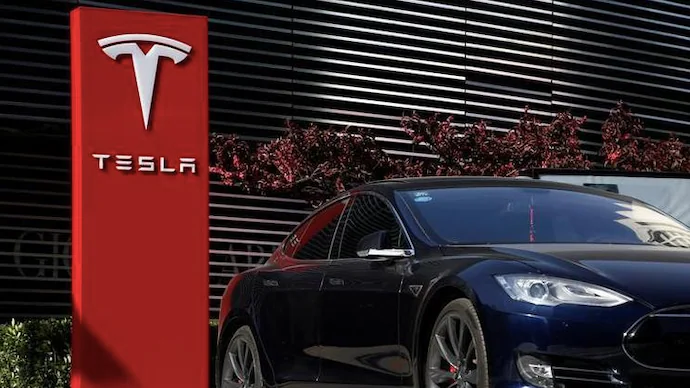

Tesla, India has just hit the accelerator on its electric-vehicle (EV) ambitions with a bold new import policy that could reshape the premium EV market. Announced in June, the government has cut customs duties on imported EVs from about 70% to just 15%—but there’s a catch.
Table of Contents
India’s EV Import Duty Slash Could Spark a Luxury Car Wave
To qualify for this lower duty, automakers must:
- Invest at least $500 million in local production.
- Start assembling cars domestically within three years.
- Meet minimum local sourcing requirements.
- Import only a limited number of vehicles under the concession.
Global Giants Take Notice—But Not Everyone’s Onboard
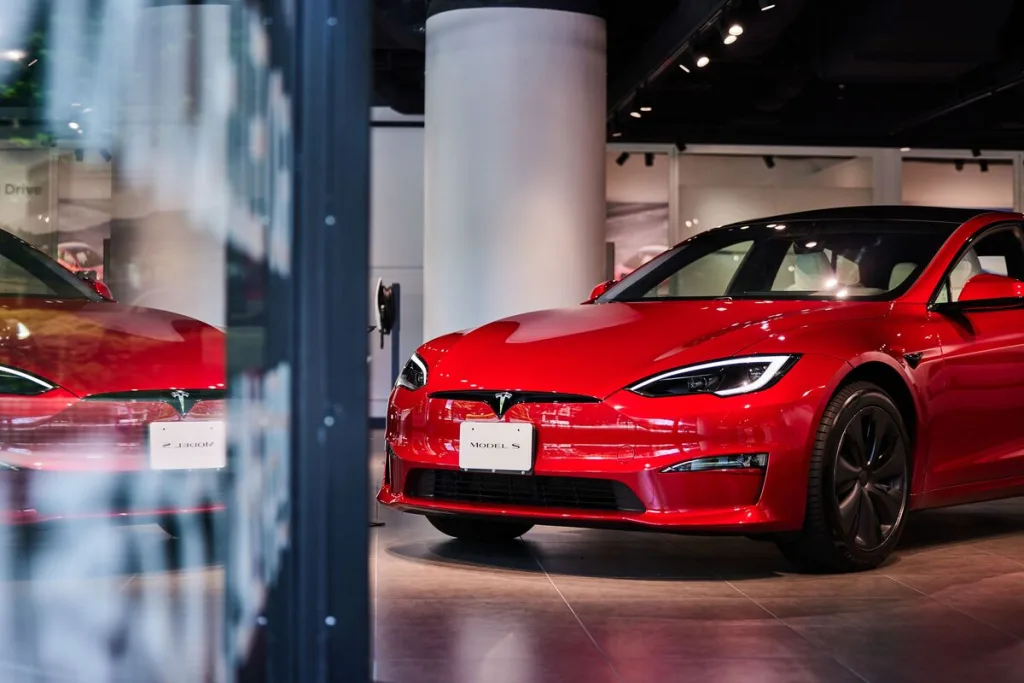
The move has already attracted interest from Mercedes-Benz, Volkswagen, Hyundai, and Kia, all of which see India as a promising EV growth market.
But the world’s most talked-about EV brand? Tesla is still sitting out. Elon Musk’s company has shown no signs of building a factory in India, preferring to ship in finished cars instead. That decision is surprising, especially since EVs make up just 2.5% of India’s car market today—and the government wants that figure at 30% by 2030.
Lower import duties could make premium EVs far more accessible to Indian buyers, potentially fast-tracking adoption.
What This Means for Indian Buyers
In the short term, expect:
- More luxury EV options as global brands test the waters with limited imports.
- Slightly lower prices on premium electric models.
In the long run, the policy is designed to nudge automakers into setting up assembly plants in India, which could:
- Further drive down prices through local manufacturing.
- Create new jobs in the EV and component supply chain.
- Strengthen India’s position as a global EV manufacturing hub.
The Showroom Battles Ahead
The high-end EV segment could see some intense rivalries in the coming months. Curious how Tesla’s flagship Model Y compares with local contenders? Check out Model Y vs India’s EV Elite for a detailed performance and value breakdown.
Thinking of going ultra-luxury? Our MG Cyberster vs Tesla Model Y comparison explores price, performance, and style for drivers looking to make a statement.
Why This Policy Matters Beyond the Luxury Market
While this import duty cut is aimed at premium EVs, its ripple effects could go much deeper. As more automakers set up assembly plants, economies of scale could benefit the mid-range and entry-level EV segments, making electric cars more accessible to the masses.
Plus, the local sourcing requirement ensures that Indian suppliers, engineers, and technicians get a bigger share of the EV boom, fostering a self-reliant and innovative clean mobility ecosystem.
Bottom line:
India’s new EV import duty slash is more than a short-term price cut—it’s a strategic move to attract foreign investment, encourage domestic production, and accelerate the shift toward electric mobility. The next few months will reveal whether global heavyweights seize this opportunity or if India’s homegrown brands keep their lead.

