

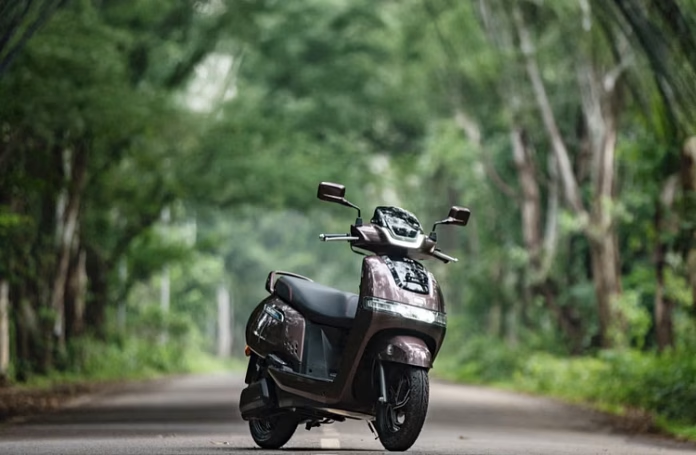

TVS iQube: Picture a farmer in Uttar Pradesh’s heartland watching his neighbor zip through village lanes on a silent, smoke-free scooter while he’s still kick-starting his old petrol vehicle every morning – a scene TVS Motor Company aims to bring to life as it takes its market-leading e-scooter from India’s cities to its villages.
Table of Contents
From Urban Champion to Rural Pioneer
TVS Motor Company dominates India’s electric scooter market with four consecutive months of leadership, selling 22,230 iQube units in July 2025, giving them a market-leading share of 24 percent. But their real ambition lies beyond city limits, where 65% of India still lives.
Currently, the iQube market is “predominantly urban, because there may be some people who may buying in the cities and they may be taking it to the rural” areas. TVS recognizes this organic migration pattern and wants to accelerate it through strategic rural expansion.
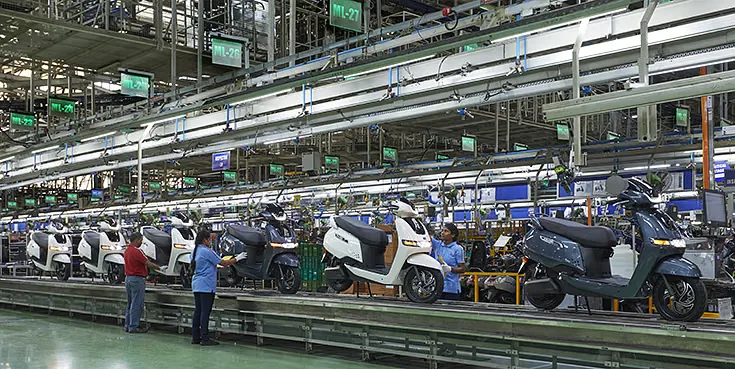
Why Rural India is Ready for Electric Revolution
The timing couldn’t be better. TVS aims to bank on the growing demand for scooters in rural India, which is a result of speedier infrastructure development and in turn better roads. This infrastructure boom has transformed rural mobility needs dramatically.
Consider the changes: village roads that were once impassable during monsoons now connect seamlessly to highways. Young professionals working in nearby towns need reliable daily transport. Women entrepreneurs running small businesses require efficient, low-maintenance vehicles for their operations.
The iQube Advantage in Rural Context
The iQube’s specifications align perfectly with rural needs. Power up your TVS iQube from 0 to 80% in 4 hours 18 minutes – and unlock up to 212 km of IDC range. All thanks to the easy-to-use, portable new 950W charger that plugs into any standard socket. This means rural users can charge overnight using regular household electricity – no special infrastructure needed.
For rural families counting every rupee, the economics are compelling. No more daily petrol expenses, minimal maintenance costs, and government subsidies making the TVS iQube price in India starts from Rs 94,434 even more attractive after incentives.
Smart Pricing Strategy Fuels Expansion
TVS has been aggressive about making the iQube accessible. What would have given iQube sales a boost is TVS Motor Co. slashing prices by up to Rs 26,000 and increasing the battery capacities of some variants. This price reduction strategy signals their serious intent about mass market penetration, including rural areas.
The Infrastructure Reality Check
Rural expansion isn’t just about demand – it’s about support systems. TVS is building a comprehensive network that includes mobile service vans for remote areas, partnership with local mechanics for basic maintenance, and strategic placement of fast-charging stations along rural highways.
The company has also sold a total of 1.27 lakh electric scooters in the first half of the financial year, which accrued revenue worth Rs 1,600 crore, providing them the financial muscle to invest in rural infrastructure.
Beyond iQube: A Complete Rural Strategy
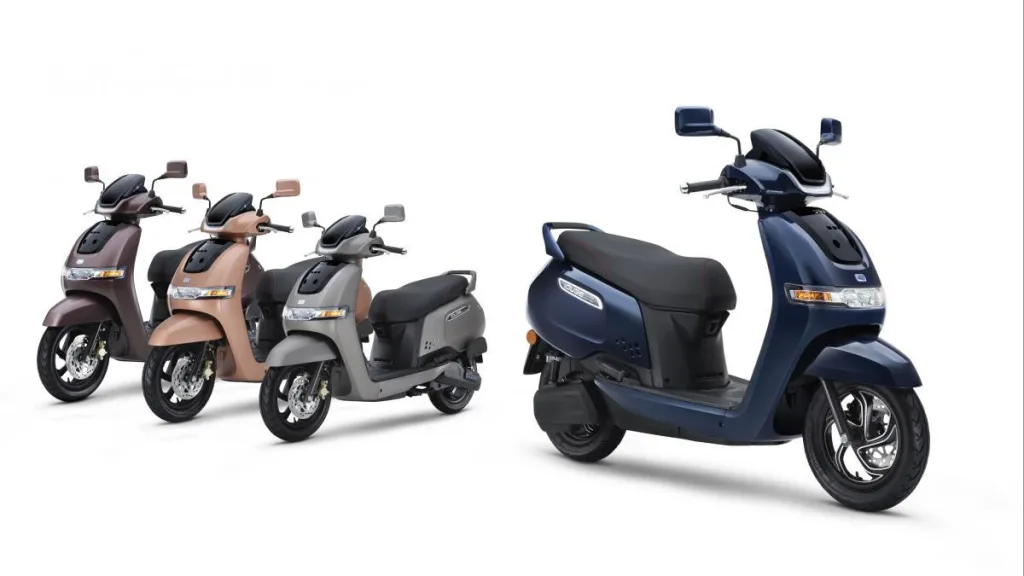
TVS isn’t stopping with the current iQube. TVS is gearing up to launch one more electric two-wheeler by March 2025, likely targeting even more price-sensitive rural segments. TVS’ upcoming e-scooter is likely to feature a simpler design with basic equipment and a smaller battery pack, perfect for shorter rural commutes.
The Ripple Effect
When TVS succeeds in rural markets, it creates a multiplier effect. Rural youth who experience electric mobility often become advocates, influencing purchase decisions across their extended networks. Local entrepreneurs see opportunities in charging services and maintenance support.
What This Means for Rural India
The iQube’s rural expansion represents more than just business growth – it’s about democratizing clean mobility. Rural families will save thousands annually on fuel costs, breathe cleaner air, and access reliable transportation regardless of fuel price volatility.
For TVS, rural success could cement their leadership position while competitors still focus on urban markets. The company that cracks the rural electric code first gains a sustainable competitive advantage.
As TVS prepares this rural push, they’re not just selling scooters – they’re offering rural India a glimpse of a cleaner, more efficient future, one village at a time.

