

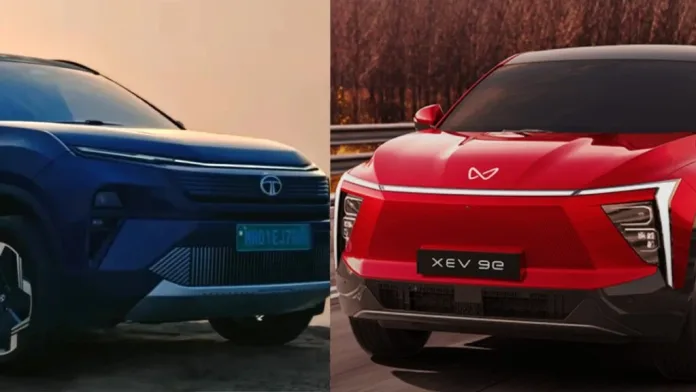

India’s EV Market revolution isn’t just changing how we drive—it’s reshaping an entire nation’s automotive future. With air quality reaching crisis levels in major cities like Delhi and Mumbai, millions of Indians are embracing electric mobility as both an environmental necessity and economic opportunity.
Table of Contents
The Big Three Dominating India’s Roads
Three automotive powerhouses have essentially carved up India’s EV landscape, controlling over 90% of the market share. Tata Motors, JSW MG Motors India, and Mahindra & Mahindra aren’t just selling cars—they’re building the foundation of India’s electric future.
Tata Motors recently closed at ₹700.60, up 1.5%, reflecting investor confidence in the company’s EV strategy. Meanwhile, Mahindra & Mahindra, trading near its 52-week high at ₹3,260.90, continues pushing boundaries in both passenger and commercial electric vehicles.
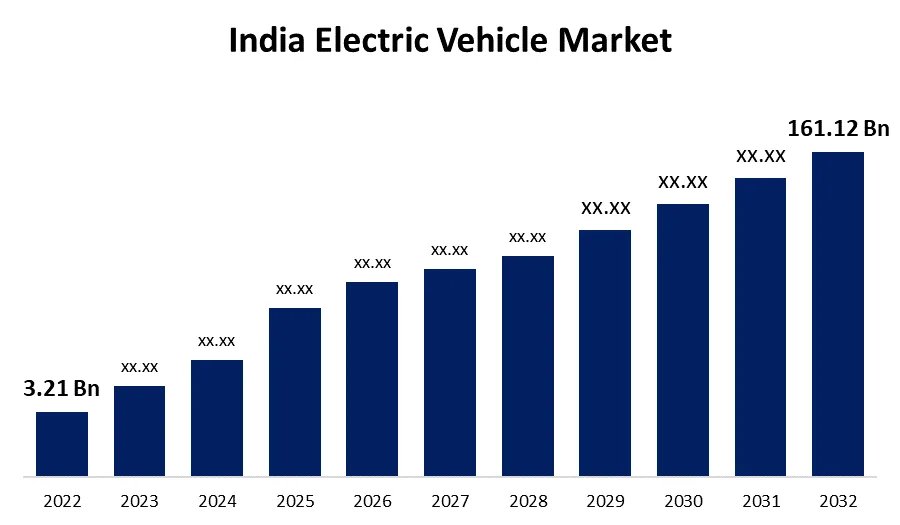
Government Push Creates Perfect Storm
India’s government isn’t sitting on the sidelines. Through strategic initiatives focusing on manufacturing localization, supply chain security, and export competitiveness, New Delhi is creating an ecosystem where EVs can thrive. This isn’t just about reducing imports—it’s about positioning India as a global EV manufacturing hub.
The timing couldn’t be better. As urban pollution reaches dangerous levels, Indian consumers are increasingly viewing electric vehicles not as luxury items, but as essential tools for healthier living.
Innovation Through Strategic Partnerships
What makes India’s EV story particularly compelling is how companies are collaborating rather than just competing. Take Tata’s recent partnership with Renesas—this isn’t just a business deal, it’s a blueprint for building robust EV ecosystems through strategic alliances.
These partnerships are accelerating development in three critical areas:
- Charging infrastructure that makes EVs practical for everyday use
- Battery technology that extends range while reducing costs
- Innovative financing that makes EVs accessible to middle-class families
Global Context: Winners and Losers
While India’s EV market surges, global players are experiencing mixed fortunes. Tesla dropped 8.2% to $305.30, though the company announced a promising partnership with Sunrun for home energy solutions in Texas. Chinese automaker BYD fell 1.9% to HK$129.60, despite securing a three-year partnership with FC Internazionale Milano.
Meanwhile, solid-state battery pioneer QuantumScape, down 1.6% at $12.63, expanded its collaboration with PowerCo, potentially revolutionizing battery technology that could benefit Indian manufacturers.
The Road Ahead: Opportunities in Turbulent Transition
India’s EV transformation represents more than just switching from petrol to electric. It’s creating opportunities across the entire automotive value chain—from battery manufacturers to charging station operators, from software developers to financing companies.
For investors and consumers alike, India’s EV market offers a rare combination: environmental impact, economic opportunity, and technological innovation converging in the world’s most populous nation.
As Mahindra & Mahindra expands into high-growth sectors with improving margins, and Tata Motors strengthens its EV ecosystem through strategic partnerships, one thing becomes clear: India’s electric vehicle revolution isn’t coming—it’s already here.
The question isn’t whether India will embrace electric mobility, but how quickly the rest of the world will catch up to India’s rapidly evolving EV landscape.

