


History was made in Mumbai this week as Tesla officially entered India, but that’s just the beginning of Maharashtra’s ambitious plan to revolutionize the country’s electric vehicle landscape. Chief Minister Devendra Fadnavis has declared a bold vision: making Maharashtra India’s undisputed EV manufacturing capital.
Table of Contents
Tesla’s Grand Indian Debut
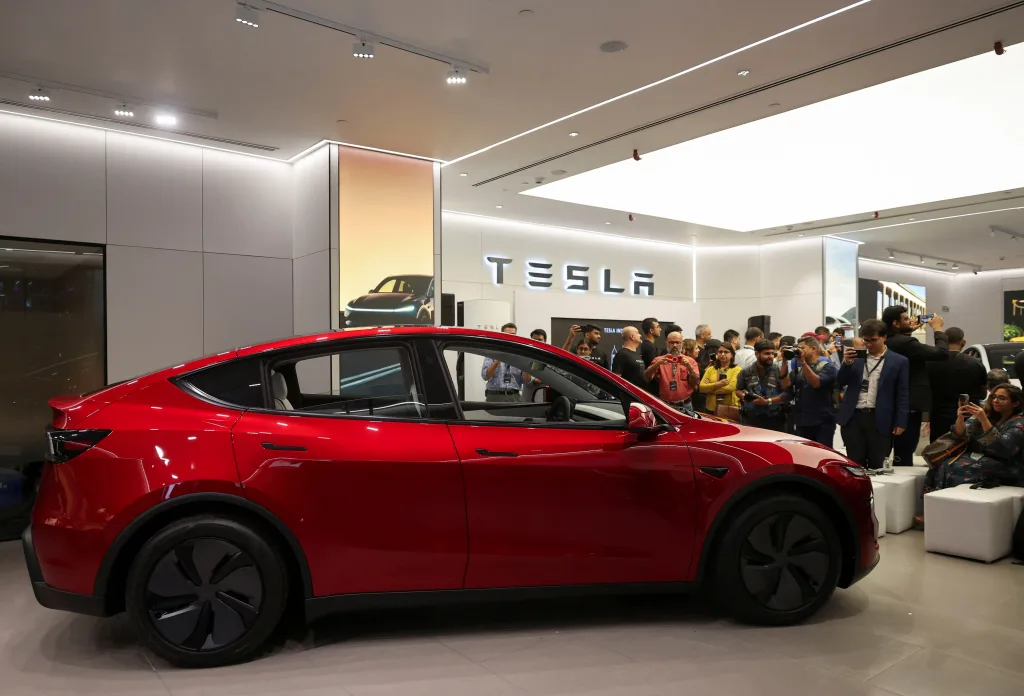
Tesla launched its first Experience Centre in India at Mumbai’s Bandra Kurla Complex on Tuesday, marking a pivotal moment for India’s EV market. But this isn’t just about selling cars—it’s about transforming an entire state into an electric powerhouse.
During the inauguration, CM Fadnavis expressed confidence that Maharashtra will become the state with the highest Electric Vehicle manufacturing capacity in India. This isn’t empty political rhetoric; it’s backed by concrete policy and unprecedented investment opportunities.
The Game-Changing EV Policy 2025
Maharashtra isn’t just dreaming big—they’re investing big. The state government introduced the EV Policy 2025 in May, which provides financial incentives and infrastructure support to encourage a 30% increase in EV adoption by 2030.
The numbers speak volumes about Maharashtra’s commitment:
- Transport and commercial EVs can receive incentives up to Rs 2 lakh
- Electric buses get substantial financial support
- Charging infrastructure receives special incentives
- Tax exemptions make manufacturing more attractive
Why Maharashtra Will Lead India’s EV Revolution
CM Fadnavis said that the state government has implemented a dynamic policy to promote EVs, offering special incentives in charging infrastructure, tax exemptions, and manufacturing. But what makes Maharashtra the perfect EV hub?
Strategic Location: Mumbai’s financial capital status provides easy access to investment and global markets.
Infrastructure Ready: The state already hosts major automotive manufacturers, making the transition to EV production smoother.
Policy Support: Unlike other states with bureaucratic hurdles, Maharashtra offers streamlined processes for EV companies.
Market Access: With Mumbai and Pune as major metropolitan centers, there’s immediate demand for electric vehicles.
Tesla’s Bigger Plans for India
While the Mumbai showroom is Tesla’s first step, CM Fadnavis expressed wishes to see research and development and manufacturing being done in India, stating “I am sure Tesla will think about it at an appropriate stage”.
This isn’t wishful thinking—it’s strategic positioning. Maharashtra is rolling out the red carpet for Tesla to establish manufacturing facilities, potentially creating thousands of jobs and positioning India as a global EV export hub.
The Ripple Effect Across India
After Mumbai, services will expand to two more cities, creating a template for nationwide EV adoption. Maharashtra’s success will pressure other states to enhance their EV policies or risk losing manufacturing investments.
Tesla’s entry is set to change India market amid robust EV policies, with Maharashtra leading this transformation. The state is positioning itself not just as India’s EV capital, but as a regional manufacturing hub for global markets.
What This Means for Consumers
For Indian car buyers, Maharashtra’s EV push means:
- More charging infrastructure across the state
- Better financing options for EV purchases
- Increased model availability as manufacturers set up local operations
- Potential price reductions due to local manufacturing
The Road Ahead
Maharashtra’s vision extends beyond just becoming India’s largest EV manufacturing hub. The state aims to lead India’s EV industry in the near future, with comprehensive support for everything from manufacturing to charging infrastructure.
As Tesla expands beyond Mumbai and other global manufacturers take notice, Maharashtra is positioning itself at the center of India’s electric vehicle revolution. The question isn’t whether Maharashtra will become India’s EV capital—it’s how quickly other states will follow suit.
The electric future of India starts in Maharashtra, and it starts now.

