

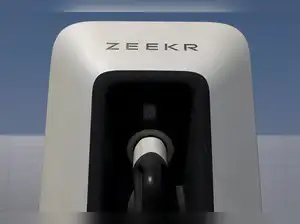

The electric vehicle industry just got rocked by a bombshell revelation that’s sending shockwaves through China’s automotive sector. Two major Chinese EV brands—Zeekr and Neta—have been caught red-handed inflating their sales numbers using a sophisticated insurance scheme that fooled investors and consumers alike.
Table of Contents
China EV Sales: The Shocking Numbers Behind the Deception
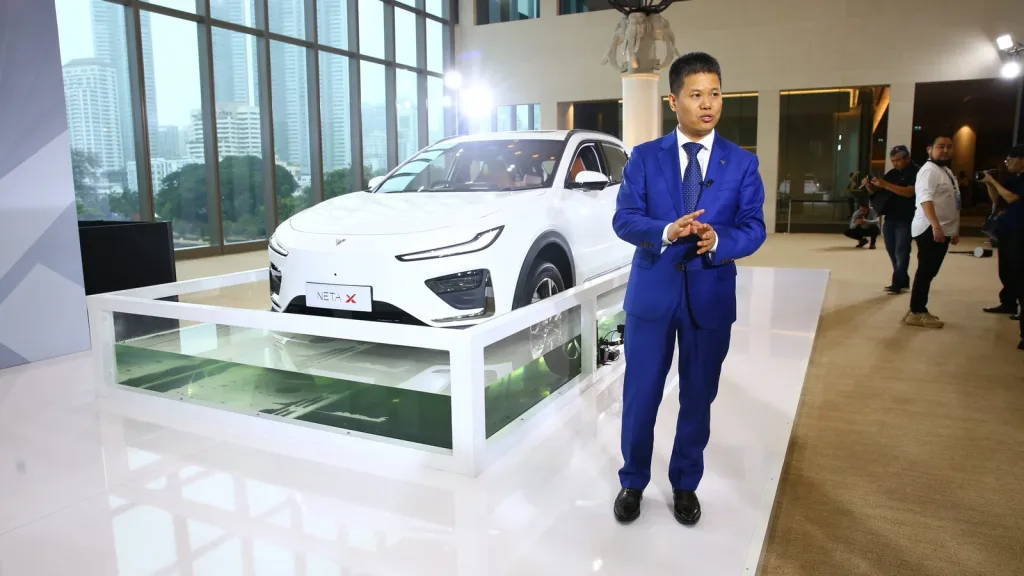
The scale of this fraud is staggering. Documents reveal that Neta pre-booked sales of 64,719 cars, representing more than half of its reported sales for the period. That’s not a rounding error—that’s systematic deception on an industrial scale.
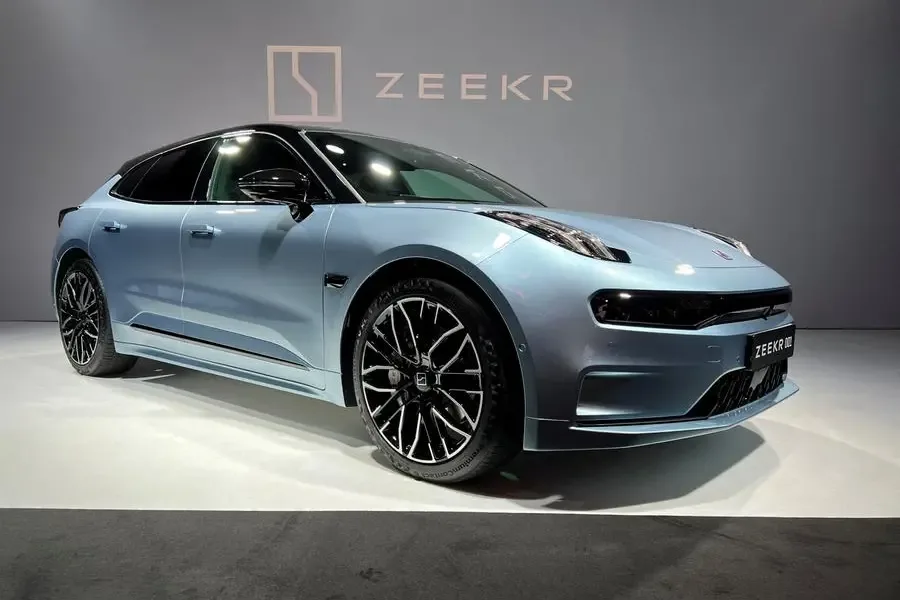
In Xiamen alone, Zeekr claimed 2,737 sales in December, with 2,508 allegedly sold to companies. However, official vehicle registration data showed only 271 cars actually registered for license plates. The math simply doesn’t add up.
How the Insurance Scheme Worked
Picture this: you’re an EV company under intense pressure to meet aggressive sales targets. Instead of waiting for real customers, you decide to game the system. The scheme involved insuring cars before they were actually sold or delivered to customers, creating fake sales on paper while the vehicles sat unsold in lots.
This isn’t just creative accounting—it’s a deliberate attempt to mislead stakeholders about actual market demand. Both Zeekr and Neta allegedly used this tactic of insuring cars before selling them, raising serious concerns about industry practices.
Why This Scandal Matters Beyond China
This revelation exposes a cancer eating away at the credibility of China’s booming EV sector. When companies inflate sales figures, they’re not just lying to investors—they’re distorting the entire market’s understanding of electric vehicle adoption rates.
Market analysts warn that artificially inflated sales data can mislead investors, obscure market demand, and distort competition. The ripple effects are already visible, with some EV models seeing their second-hand prices plunge 30-40% below official pricing.
The Regulatory Response
Chinese regulators aren’t sitting idle. Officials are planning a crackdown amid rising scrutiny and industry pressure. This investigation comes at a critical time when global investors are closely watching China’s EV market performance.
The timing couldn’t be worse for these brands. Zeekr, backed by automotive giant Geely, and Neta, once considered rising stars in China’s competitive EV landscape, now face potential regulatory action and severe reputation damage.
What This Means for the Global EV Market
This scandal raises uncomfortable questions about transparency in the rapidly growing electric vehicle sector. If established brands in the world’s largest EV market are resorting to such tactics, what does this say about the pressure these companies face?
For investors, this serves as a wake-up call about the importance of due diligence when evaluating EV companies’ performance metrics. Sales figures that seem too good to be true might actually be too good to be true.
The Road Ahead
As investigations continue, the fallout from this scandal will likely extend far beyond just Zeekr and Neta. Other Chinese EV manufacturers may face increased scrutiny, and global investors might become more skeptical of reported sales figures from Chinese automotive companies.
This revelation reminds us that in the race to dominate the electric future, some companies chose shortcuts that ultimately damage the entire industry’s credibility. The question now is whether Chinese regulators will take decisive action to restore trust in their EV market—or whether this is just the tip of the iceberg.

