

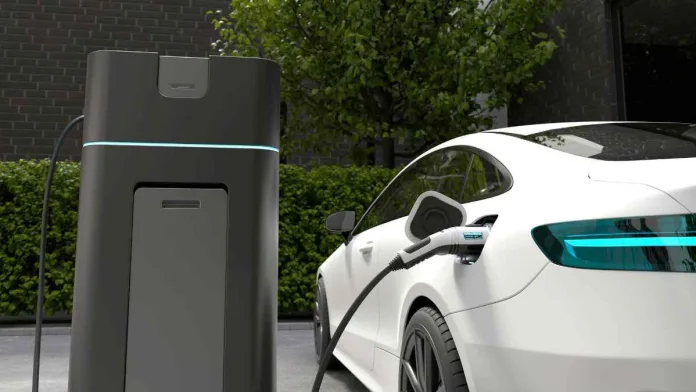

India’s electric vehicle revolution is racing ahead, but there’s a concerning gap that’s leaving many EV owners frustrated. While the country’s EV charging infrastructure has expanded dramatically—growing fivefold in just three years—the harsh reality is that each charging station still serves 235 vehicles, creating a bottleneck that could slow India’s green mobility dreams.
Table of Contents
The Numbers Tell a Complex Story
India’s public EV charging stations surged from 5,151 in 2022 to 26,367 by early 2025—a remarkable 72% compound annual growth rate. This explosive expansion represents one of the fastest infrastructure buildouts in the world, yet it’s still not enough to keep pace with India’s EV adoption surge.
The charging landscape has seen even more dramatic growth in some periods, with stations jumping from 1,800 in February 2022 to 16,347 by March 2024—nearly a ninefold increase. These numbers showcase India’s commitment to building the backbone of its electric future.
The Hidden Challenge: One Station, 235 Vehicles
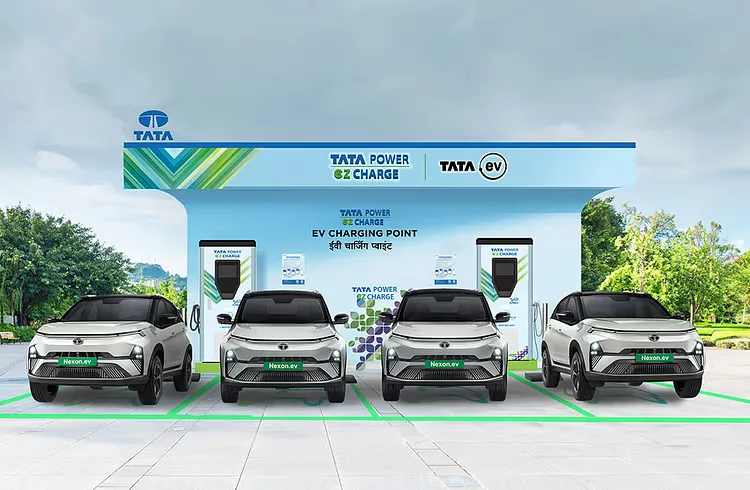
Despite this impressive growth, a troubling statistic emerges from the CareEdge Ratings report: there’s only one public charging station for every 235 electric vehicles on Indian roads. This ratio reveals the fundamental challenge facing India’s EV ecosystem—infrastructure expansion, while rapid, is struggling to match the pace of vehicle adoption.
For the average EV owner in Mumbai, Delhi, or Bangalore, this means longer queues at charging stations, increased range anxiety, and the constant need to plan trips around charging availability. What should be a seamless experience often becomes a source of stress and inconvenience.
Why This Matters for Indian EV Buyers
The charging infrastructure gap isn’t just a number—it’s a daily reality for millions of Indians considering or already driving electric vehicles. Imagine driving your electric car with the constant worry of finding an available charging point, especially during peak hours or on highways connecting major cities.
This shortage particularly affects commercial EV operators like cab drivers and delivery personnel who depend on quick, reliable charging to maintain their livelihoods. For them, every minute spent waiting for a charging station translates to lost income and frustrated customers.
The State-wise Reality Check
Maharashtra leads with 3,079 charging stations, followed by Delhi with 1,886 stations, but even these frontrunners struggle with demand. Smaller states and rural areas face even more severe shortages, creating a two-tier system where EV adoption varies dramatically based on geography.
This disparity means that while residents of major metros might find charging stations within a few kilometers, those in tier-2 and tier-3 cities often face significant challenges in accessing public charging infrastructure.
Government’s Race Against Time
The Indian government recognizes this challenge and is working overtime to bridge the gap. Through initiatives like the Production Linked Incentive scheme and state-level policies, authorities are trying to accelerate infrastructure development. However, the question remains: can policy keep pace with market demand?
Recent reports suggest that 2024 marked unprecedented growth in both EV sales and charging infrastructure, setting a strong foundation for future expansion. The government’s PM E-DRIVE initiative aims to further accelerate this transition toward sustainable mobility.
What This Means for India’s EV Future
The 235-vehicles-per-station ratio isn’t just a current problem—it’s a preview of future challenges. As India aims to become a global EV manufacturing hub, solving the charging infrastructure puzzle becomes critical not just for domestic adoption but for international credibility.
The good news is that private players are stepping up. Companies are investing heavily in fast-charging networks, workplace charging solutions, and innovative financing models to make charging more accessible and affordable.
The Path Forward
India’s EV charging infrastructure expansion from 5,151 to 26,367 stations represents remarkable progress, but it’s clear that the journey is far from over. The current ratio of 235 vehicles per station serves as both a challenge and an opportunity—a challenge that demands urgent attention and an opportunity for innovative solutions.
For India to achieve its electric vehicle ambitions, the infrastructure expansion must not just continue but accelerate. Only then can the country ensure that its EV revolution doesn’t get stuck waiting for a charge.

