


EV Battery, the global electric vehicle industry just hit a major roadblock. On July 15, 2025, the Chinese Ministry of Commerce abruptly announced it would require government licenses for any transfer of eight key technologies for manufacturing electric vehicle batteries outside of China. This isn’t just another trade policy – it’s a strategic chess move that could reshape the entire EV landscape.
Table of Contents
The Power Play: What China Just Locked Down
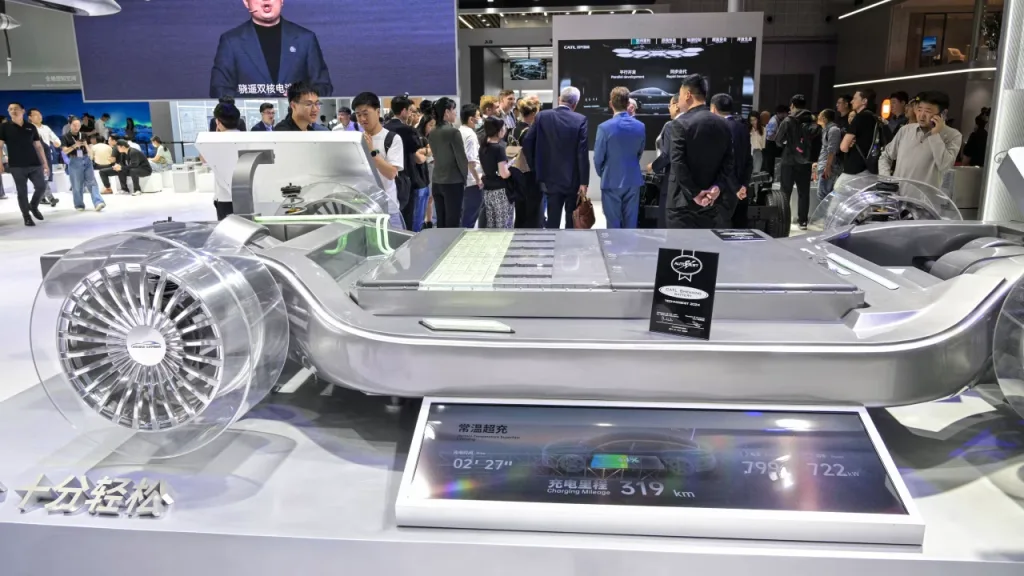
China has put export restrictions on technologies critical for producing electric vehicle batteries, in a move to consolidate its dominance in the sector that has contributed to the country’s lead in the global EV race. Think of it as China holding the keys to the EV kingdom and deciding who gets to enter.
The Eight Technologies That Matter
According to the rules announced by the Ministry of Commerce and the Ministry of Science and Technology, manufacturers using the technologies in the production of EV batteries must now obtain government licences before transferring them abroad. These aren’t just random technologies – they’re the core innovations that make modern EV batteries possible.
Why This Matters More Than You Think
China is at the global forefront of the electric vehicle (EV) and EV battery industries. Its firms produce nearly two-thirds of the world’s EVs and more than three-quarters of EV batteries. When the world’s largest battery supplier decides to tighten the taps, everyone else scrambles for alternatives.
The Ripple Effect
Inclusion on the list means transferring the technologies overseas – such as through trade, investment, or technological cooperation – will require a government-issued license, according to a statement by the country’s Commerce Ministry. This impacts every automaker, from Tesla to Ford, who relies on Chinese battery technology.
The Strategic Timing: Not a Coincidence
China introduced new restrictions on Monday covering the export of core technologies used in lithium battery production — a strategic move to safeguard its dominance in the global electric vehicle (EV) supply chain. With the global EV market heating up and countries racing to build domestic battery capacity, China is pulling up the ladder behind them.
Following the U.S. Playbook
Beijing may be taking a page out of Washington’s playbook in its use of export controls and trade blacklists. The irony is palpable – China is using America’s own trade war tactics against the global market.
What This Means for Your Next EV Purchase
Price Implications
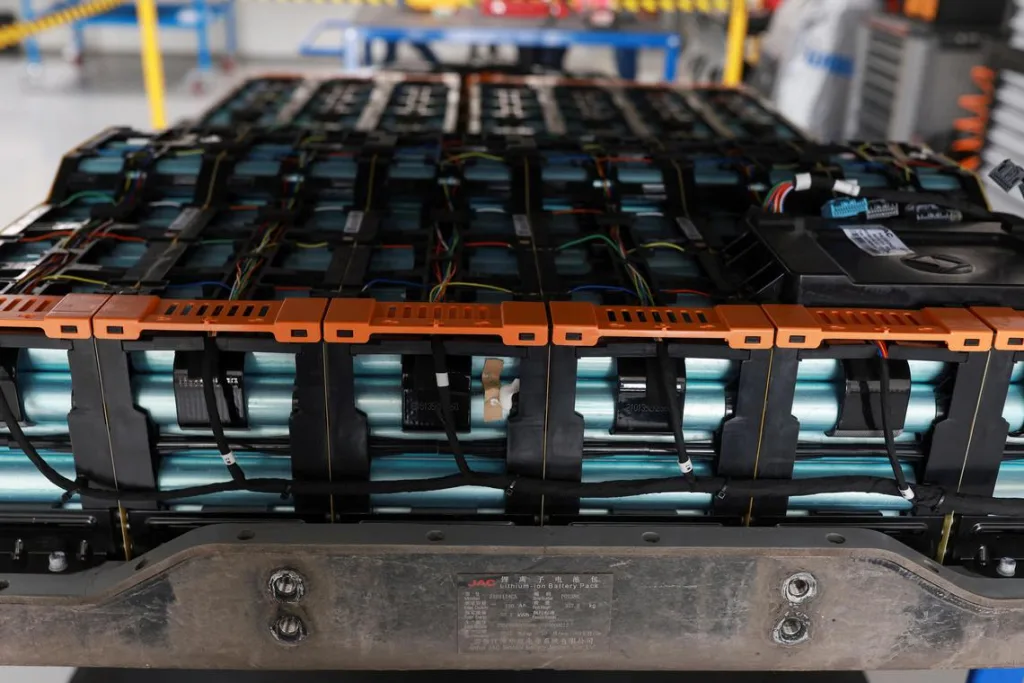
China has introduced new restrictions on exporting technologies vital for electric vehicle (EV) battery production, potentially disrupting global supply chains. When supply gets restricted, prices typically follow one direction – upward.
Innovation Pressure
Companies outside China now face a stark choice: negotiate with Beijing for technology licenses or invest billions in developing alternative battery technologies. Either way, consumers might face higher prices or delayed vehicle launches.
The Global Response: Scrambling for Alternatives
Countries worldwide are waking up to their dependence on Chinese battery technology. The European Union, United States, and other nations are accelerating their own battery manufacturing initiatives, but these take years to reach commercial scale.
The Innovation Race
This move could actually accelerate global battery innovation. When access to existing technology gets restricted, companies often find breakthrough alternatives. Think of it as necessity becoming the mother of invention.
Looking Ahead: A New EV Reality
China is planning tougher scrutiny on exports of technology to make battery materials, as Beijing looks to protect its grip on a crucial supply chain amid rising global trade tensions. This isn’t a temporary measure – it’s a permanent shift in how the EV industry operates.
What to Expect
- Longer development timelines for new EV models outside China
- Higher battery costs as companies develop alternatives
- Increased government investment in domestic battery production
- Potential EV price increases in non-Chinese markets
The Bottom Line
China’s export curbs on EV battery technology represent more than trade policy – they’re a declaration of technological sovereignty. Any overseas transfer of these technologies through trade, investment or technological cooperation will henceforth require a prior license from the Chinese government, fundamentally changing how the global EV industry operates.
For consumers, this means the EV revolution just got more complex and potentially more expensive. For the industry, it’s a wake-up call to reduce dependence on any single technology supplier.
The race for EV supremacy just entered a new phase, and China is playing to win.

