


Honda Shine EV Patent: Revolutionary Electric Motorcycle Design Unveiled
The motorcycle industry is witnessing a seismic shift as Honda’s patent filings offer a clear glimpse into the company’s plans for an ultra-affordable electric motorcycle, integrating a proven chassis with a simple electric powertrain. Recent patent images have revealed Honda’s ambitious plan to transform its popular Shine 100 commuter bike into an electric powerhouse, potentially revolutionizing affordable urban transportation.
Table of Contents
What Makes Honda Shine EV Patent Special?
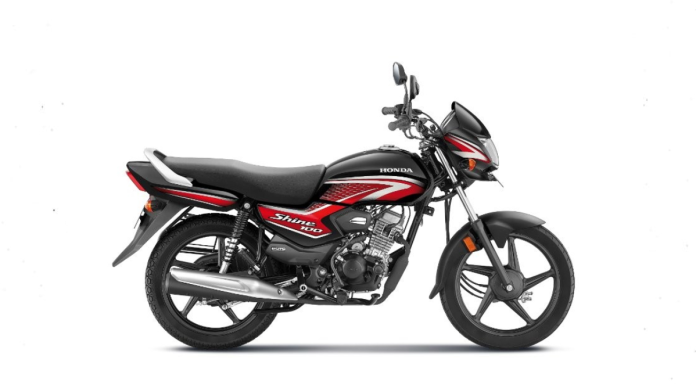
The filings in Honda’s new patent show a bike built around the familiar platform of the Honda Shine 100, a best-selling commuter in India, reimagined in electric form for a cost-effective future of urban mobility. This strategic approach represents Honda’s commitment to making electric mobility accessible to millions of riders worldwide.
The genius lies in Honda’s decision to leverage an existing, proven platform rather than starting from scratch. By utilizing the Shine 100’s robust frame and chassis mounting points, Honda can significantly reduce development costs, manufacturing complexity, and ultimately, the market price – crucial factors for success in price-sensitive markets like India.
Technical Specifications and Design Details
Motor and Powertrain Configuration
The patent reveals a sophisticated yet simple electric powertrain design. Honda’s patent sketches outline a design that repurposes the Shine’s sturdy frame and chassis mounting points to house an electric motor and compact battery setup. Positioned where the engine once sat, a mid-motor drives the rear wheel via a single-speed reduction gear and chain.
This configuration mirrors the original gasoline-powered Shine’s layout, ensuring familiar handling characteristics while delivering the instant torque benefits of electric propulsion.
Battery System and Charging Infrastructure
One of the most innovative aspects of the Honda Shine EV design is its battery configuration. Instead of a traditional fuel tank, the design features two lithium-ion battery packs, angled forward on either side of the spine frame and fitting neatly into the existing geometry.
This dual-battery setup offers several advantages:
- Optimal weight distribution: Better balance and handling characteristics
- Modular design: Potential for swappable battery technology
- Maximized capacity: Efficient use of available space within the existing frame
Performance Expectations and Market Positioning
Speed and Power Output
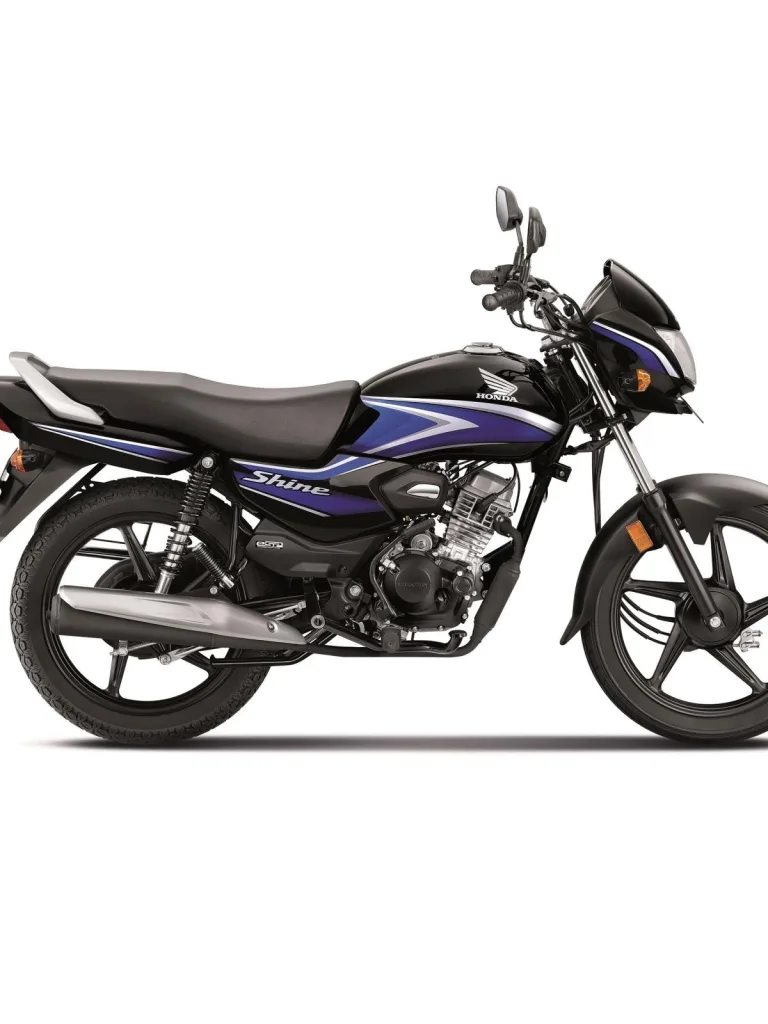
While Honda hasn’t released official performance figures, the original Shine 100 provides valuable insights into expected capabilities. The Honda Shine 100 features a 99cc engine that provides around 7.3 horsepower (around 5.5 kW) and has a top speed of 85 km/h (53 mph), solidly planting it in the commuter segment of motorcycles.
The electric version would likely target similar performance parameters, with top speeds around 80-85 km/h (50-53 mph), making it ideal for urban commuting and short-distance travel.
Cooling System Innovation
The patent reveals an ingenious passive cooling solution. The patent describes a channel formed by the two battery packs, leading to the speed controller and creating ducted cooling that pulls heat out of the batteries and electronics without drawing extra power.
This approach eliminates the need for energy-consuming active cooling systems, contributing to better overall efficiency and reduced manufacturing costs.
Market Impact and Pricing Strategy
Revolutionary Affordability
If scaled effectively, this could be the first truly mass-market electric motorcycle from a major OEM, with a sticker price likely far below the $5,000 mark usually seen as a floor for commuter electric motorcycles from major manufacturers.
This pricing strategy would make the Honda Shine EV significantly more accessible than competitors from Zero or Harley-Davidson’s LiveWire division, potentially opening electric mobility to entirely new demographic segments.
Global Market Potential
The Honda Shine EV’s design philosophy extends beyond India’s borders. With growing environmental consciousness and increasing fuel prices worldwide, affordable electric motorcycles are becoming essential for sustainable urban transportation. The proven Shine platform provides Honda with a tested foundation for global expansion.
Honda’s Broader Electric Strategy
The Shine EV patent represents one component of Honda’s comprehensive electric mobility strategy. Their entry-level EM1 e: and Activa e: scooters launched with mobile battery packs and budget-friendly pricing, demonstrating Honda’s commitment to accessible electric transportation across multiple vehicle categories.
This multi-pronged approach ensures Honda can capture various market segments, from urban scooter riders to motorcycle enthusiasts seeking affordable electric alternatives.

Future Timeline and Availability
While Honda hasn’t announced official launch dates or pricing, the patent filing suggests active development is underway. Industry analysts predict the Honda Shine EV could debut in India by 2026, with global markets following shortly after.
The timing aligns perfectly with India’s growing electric vehicle infrastructure and government incentives promoting electric mobility adoption.
Environmental and Economic Benefits
Reduced Carbon Footprint
The Honda Shine EV’s electric powertrain eliminates direct emissions, contributing to cleaner urban air quality. In countries like India, where air pollution is a significant concern, widespread adoption of electric motorcycles could substantially improve environmental conditions.
Lower Operating Costs
Electric motorcycles typically offer 80-90% lower operating costs compared to gasoline equivalents. With electricity rates significantly lower than fuel prices, riders can expect substantial savings over the vehicle’s lifetime.
Reduced Maintenance Requirements
Electric motors require minimal maintenance compared to internal combustion engines, eliminating regular oil changes, spark plug replacements, and other routine maintenance tasks.
Conclusion
The Honda Shine EV patent represents a pivotal moment in electric motorcycle evolution. By combining proven mechanical engineering with innovative electric technology, Honda is poised to deliver the world’s first truly affordable electric motorcycle from a major manufacturer.
Honda’s patent reveals a clever, no-frills EV designed to democratize electric two-wheeling, especially in developing markets that are even more price-sensitive than Western electric motorcycle customers. This strategic approach could fundamentally reshape the electric motorcycle landscape, making sustainable transportation accessible to millions of new riders worldwide.
As urbanization continues and environmental consciousness grows, the Honda Shine EV’s combination of affordability, reliability, and zero emissions positions it as a game-changing solution for modern mobility challenges. The success of this project could accelerate electric motorcycle adoption globally, bringing us closer to a cleaner, more sustainable transportation future.
Read more- FAME II Crackdown Crushes EV Startups: 85% Sales Drop Exposed

