


The electric vehicle revolution in India is about to welcome a familiar face with a green twist. Renault‘s beloved Kwid is preparing for its electric transformation, with test mules spotted on Indian roads signaling an imminent launch. This development marks a significant milestone in Renault’s renewed commitment to the Indian market.
Table of Contents
The Spy Shots That Sparked Excitement
A completely wrapped test mule was recently spotted on Indian roads, with this being one of the several occasions. These sightings have sent waves of excitement through the automotive community, especially among budget-conscious consumers who have been waiting for an affordable electric option from a trusted brand.
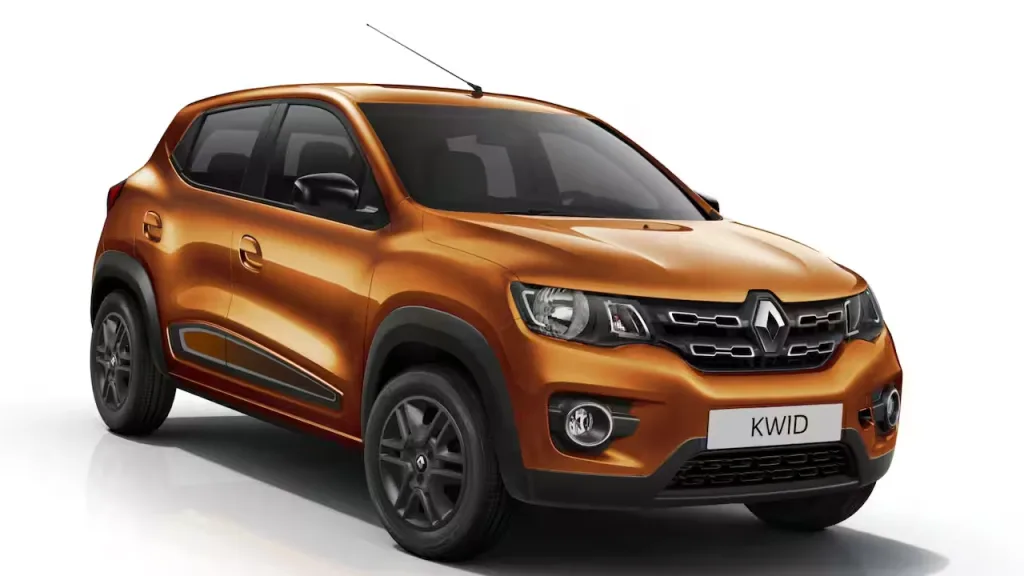
The wrapped test mule appears to bear a similar silhouette as the ICE version, suggesting Renault is taking a conservative approach to the design. This strategy makes sense—why fix what isn’t broken? The original Kwid’s distinctive styling has been a hit with Indian consumers, and maintaining that DNA while adding electric capabilities seems like a winning formula.
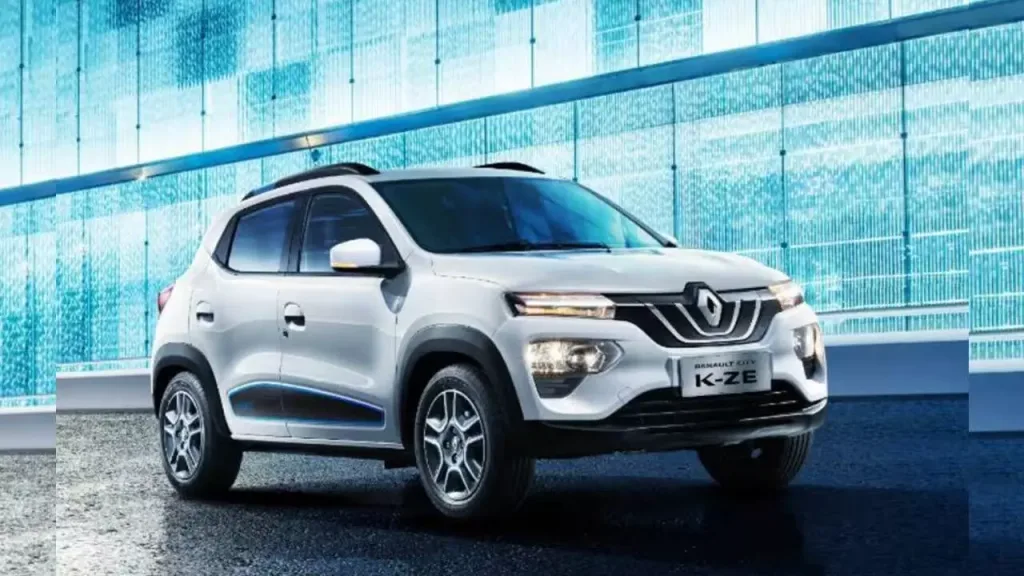
Timeline for the Electric Revolution
Renault has finally revised its India defensive strategy, and the Kwid EV is expected to make ways in India in the second half of 2025 or early in 2026. This timeline positions the electric Kwid perfectly to capitalize on the growing acceptance of electric vehicles in India’s entry-level segment.
The timing couldn’t be better. By 2025-2026, charging infrastructure will be more mature, government incentives will likely continue supporting EV adoption, and consumer awareness about electric vehicles will have reached a tipping point. Renault seems to be positioning itself strategically for this electric wave.
European Heritage, Indian Adaptation
The mechanical foundation of the Kwid EV tells an interesting story of global platform sharing. Mechanically, it may be based on the Euro-spec Dacia Spring EV, which is powered by a 26.8kW battery and a 33kW FWD motor. This European connection brings proven technology to Indian roads while maintaining the affordability that made the original Kwid successful.
The performance figures from the Dacia Spring provide insight into what Indian consumers can expect. The system enables a standstill to 100kmph sprint of 19.2 seconds, while the claimed range stands at 225km. For urban commuting—the primary use case for most Kwid owners—this range should prove adequate for daily needs.

Charging Made Simple
One of the biggest concerns for first-time EV buyers is charging convenience. The Kwid EV addresses this with practical charging solutions. Fast charging up to 30kW is claimed to top up the car from 20 to 80 per cent in 45 minutes. This charging speed strikes a balance between convenience and cost-effectiveness.
The hatchback tops out at 125kmph, which is perfectly suited for Indian driving conditions. Most urban and highway driving rarely requires speeds beyond this limit, making the Kwid EV’s performance envelope practically oriented rather than sports car aspirational.
Tech-Forward Interior Experience
While anything pertaining to the Kwid EV’s interior package is not currently known, expectations are high based on global trends. It is expected to borrow a 10-inch infotainment system and a seven-inch instrument cluster from the Dacia Spring. This technological upgrade would represent a significant leap forward from the current ICE Kwid’s interior.
These interior enhancements reflect the reality that electric vehicle buyers—regardless of price point—expect modern connectivity and digital interfaces. The larger screens would also help with range monitoring and charging station navigation, essential features for electric vehicle ownership.
Safety First Approach
Safety has become a crucial differentiator in the Indian market, and the Kwid EV seems prepared. With respect to safety, the Kwid EV may get features like emergency calling, ABS, AEB, LKA, LCW, ESC, six airbags, TPMS, and ISOFIX mounts. This comprehensive safety package would position the electric Kwid as a responsible choice for safety-conscious families.
The inclusion of advanced features like Lane Keep Assist (LKA) and Autonomous Emergency Braking (AEB) in an entry-level EV would be remarkable, potentially setting new standards for the segment.
Battle for Budget EV Supremacy
The competitive landscape awaits the Kwid EV‘s arrival. Given the modest performance hardware and the vanilla Kwid’s positioning in the ICE segment, the Kwid EV will rival the MG Comet, Tata Tiago.ev, Tata Punch.ev, and the Citroen eC3. This competition will ultimately benefit consumers through better pricing and features.
The Renault Kwid EV represents more than just another electric vehicle launch—it’s a statement about the democratization of electric mobility in India, proving that sustainable transportation doesn’t require premium pricing.

