


The raging bull is pumping the brakes on electrification. In a surprising twist that’s sending shockwaves through the supercar world, Lamborghini has officially delayed its highly anticipated Urus EV, choosing instead to extend the life of its plug-in hybrid powertrain until 2029.
Table of Contents
The Plot Twist Nobody Saw Coming
Just when everyone expected Lamborghini to charge full speed into the electric future, CEO Stephan Winkelmann dropped a bombshell. The next-generation Urus will arrive in 2029, as previously announced, but Lamborghini is delaying the launch of the electric version. This isn’t just a minor schedule adjustment – it’s a complete strategic pivot that reflects deeper industry challenges.
Winkelmann blamed the decision on the unpredictability of ever-changing regulations, highlighting the complex regulatory landscape that even luxury automakers must navigate. The announcement comes as a reality check for an industry that’s been racing toward electrification at breakneck speed.
Why Lamborghini Hit the Pause Button
The delay isn’t just about technical challenges – it’s about reading the room. The move reflects customer demand for performance over full electrification, with EV plans now on hold. Lamborghini’s wealthy clientele apparently aren’t ready to give up the symphony of internal combustion engines for the silent surge of electric motors.
This decision reveals a fascinating tension in the luxury automotive world. While mainstream brands rush toward EVs to meet emissions targets, ultra-luxury manufacturers like Lamborghini are discovering that their customers value tradition, sound, and driving experience over environmental credentials.
The Hybrid Lifeline Strategy
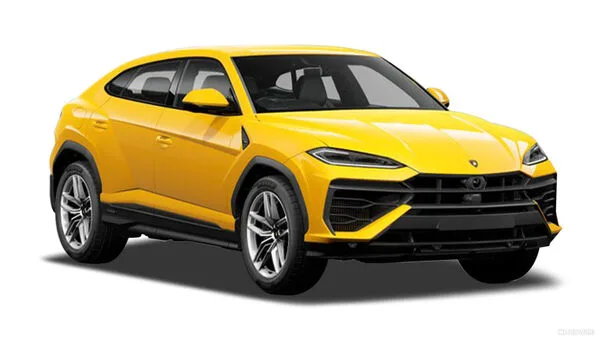
Instead of going full electric, the car giant is doubling down on hybrid technology. The new Urus PHEV will sit on the Volkswagen Group’s SSP platform, representing a sophisticated bridge between traditional performance and future sustainability.
The current Urus SE already showcases this hybrid philosophy perfectly. The Urus SE uses a 4.0-liter twin-turbo V8 engine working in conjunction with electric motors, delivering both the visceral experience customers crave and the efficiency regulators demand.
This hybrid approach offers the best of both worlds:
- Instant electric torque for jaw-dropping acceleration
- Traditional V8 soundtrack that makes hearts race
- Improved fuel efficiency for daily usability
- Lower emissions to satisfy environmental concerns
The Ripple Effect Across Lamborghini’s Lineup
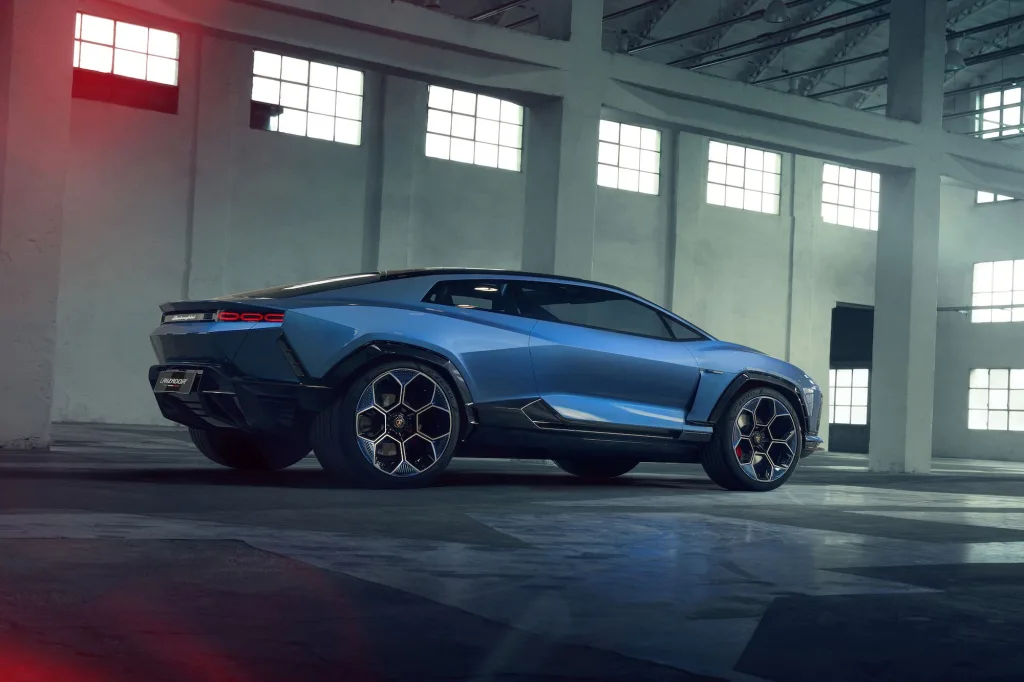
The Urus delay isn’t happening in isolation. This decision may also delay the arrival of the car maker’s first EV, a production version of the Lanzador concept that is due to be launched in 2029. Lamborghini’s entire electrification timeline is being recalibrated based on market realities.
This strategic shift suggests that even premium brands with seemingly unlimited resources are discovering that customer acceptance of electric powertrains isn’t as straightforward as industry pundits predicted.
What This Means for Supercar Enthusiasts
For the brand’s fans, this news brings mixed emotions. Purists will celebrate the extended life of hybrid powertrains that still deliver the emotional connection they cherish. However, tech-forward enthusiasts eager to experience electric Lamborghini performance will need to wait longer than anticipated.
The delay also signals that the Urus, Lamborghini’s best-selling model, will continue leveraging hybrid technology to maintain its market dominance. This decision prioritizes proven performance over uncertain electric futures.
The Bigger Picture: Industry Reality Check
Lamborghini‘s decision reflects broader industry challenges. Regulatory uncertainty, customer preferences, and technological limitations are forcing even the most innovative manufacturers to reconsider their electrification timelines.
While the automotive world races toward an electric future, Lamborghini is taking a more measured approach. The new Urus PHEV will help the brand bridge the gap before going fully electric, ensuring they don’t alienate their core customer base while still progressing toward sustainability.
This delay might actually be strategic brilliance, allowing Lamborghini to perfect electric technology while maintaining the emotional connection that makes their vehicles legendary.

