

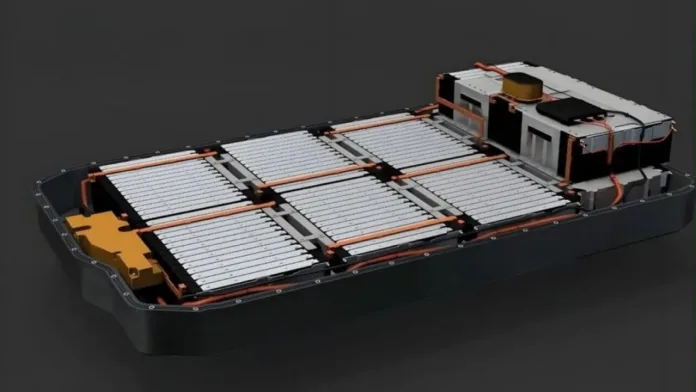

Huawei has filed a groundbreaking patent for solid-state battery technology that promises an incredible 3,000 km range with just 5 minutes of charging. This development could completely transform the electric vehicle landscape, but industry experts remain skeptical about the bold claims.
Table of Contents
The Science Behind Huawei’s Battery Breakthrough
Huawei’s innovative approach involves doping sulfide electrolytes with nitrogen, which improves electrochemical stability and significantly reduces battery degradation. This addresses one of the biggest challenges in solid-state battery commercialization.
Key Technical Specifications
| Feature | Huawei Patent | Current Li-ion |
|---|---|---|
| Energy Density | 400-500 Wh/kg | 150-250 Wh/kg |
| Range | 3,000km (1,864 miles) | 400-600km typical |
| Charging Time | 5 minutes to full | 30-60 minutes |
| Technology | Sulfide solid-state | Lithium-ion liquid |
Industry Response: Excitement Mixed with Skepticism
Korean battery experts view the claims as “ungrounded” and emphasize that patents grant rights, not credibility. Major manufacturers like Samsung SDI and LG Energy Solution continue their own solid-state development timelines through 2030.
China’s Strategic Battery Push
Chinese companies are responsible for over 36% of global solid-state battery patents annually, with substantial state support driving innovation. This represents a broader strategy to reduce dependence on established battery suppliers like CATL and BYD.

Reality Check: From Lab to Road
While Huawei’s patent shows impressive theoretical potential, several challenges remain:
Infrastructure Limitations: Current charging networks can’t support 5-minute ultra-fast charging for solid-state batteries.
Production Scaling: Battery science moves in increments, not leaps, and those increments take years to scale.
Cost Considerations: Sulfide electrolytes cost more than gold, making commercialization expensive.
What This Means for EV Buyers
If realized, Huawei’s technology could eliminate range anxiety completely. However, most drivers don’t need 1,800+ mile ranges, especially with 5-minute charging capabilities. The real impact may be in reducing battery costs and improving charging infrastructure.
Stay informed about the latest EV battery innovations and market developments at IndiaEVNews.com. For comprehensive coverage of emerging battery technologies, visit our EV technology section.
Sources: Car News China, Top Gear, Korea Herald

