

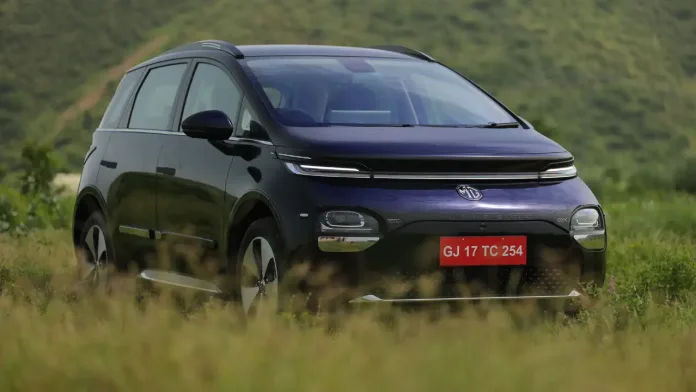

India’s electric vehicle revolution is about to get more affordable. JSW Group’s Parth Jindal recently announced plans to launch an electric car priced at just ₹10 lakh, potentially disrupting the mass-market EV segment.
Table of Contents
Why This Matters for Indian EV Market
The announcement comes at a crucial time when India aims to achieve 30% EV penetration by 2030. With current electric cars mostly priced above ₹15 lakh, JSW’s strategy could make EVs accessible to middle-class families.
Key Details at a Glance
| Aspect | Details |
|---|---|
| Price Point | ₹10 lakh (estimated) |
| Company | JSW Group |
| Target Market | Mass market/Middle-class |
| Launch Timeline | Soon (exact date TBA) |
| Market Impact | Potential game-changer for affordable EVs |
What Makes This Announcement Significant
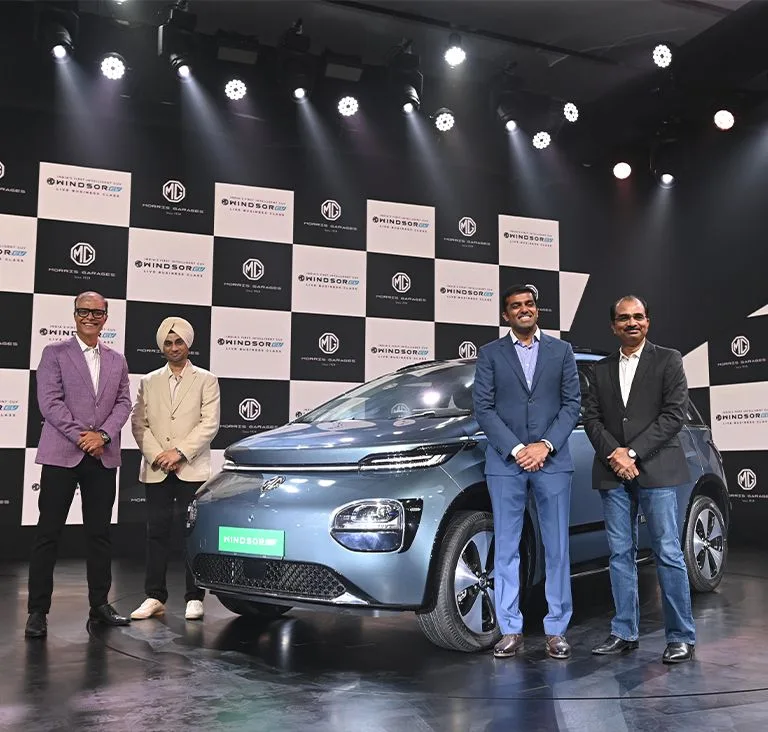
Affordability Factor: At ₹10 lakh, this positions JSW directly against popular ICE vehicles like Hyundai Creta and Kia Seltos, but with zero emissions.
Market Timing: With government incentives still available under FAME II scheme, buyers could get additional benefits.
Competition Response: This move pressures established players like Tata Motors and Mahindra to reconsider their pricing strategies.
Industry Context
India’s EV market has been dominated by premium offerings. The Tata Nexon EV starts at ₹14.99 lakh, while the MG ZS EV is priced above ₹20 lakh. JSW’s entry at ₹10 lakh could bridge the critical gap between electric two-wheelers and premium four-wheelers.
What to Expect Next
The automotive industry will closely watch JSW’s specifications, range, and charging infrastructure plans. Success will depend on balancing cost with performance and building adequate service networks.
Stay updated with latest EV developments and government policies on IndiaEVNews.com. For more insights on electric vehicle trends and market analysis, explore our comprehensive EV market coverage.
Source: Financial Express

