

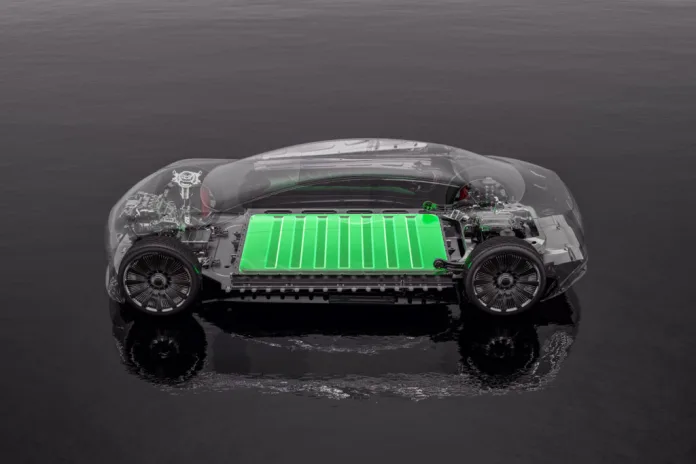

India is actively diversifying its EV battery supply chains to reduce overwhelming dependence on China, which currently dominates over 75% of global EV battery production. With strategic partnerships and a domestic manufacturing push, India aims to secure its electric mobility future.
Table of Contents
China’s Current Market Dominance
| Market Aspect | China’s Share | Global Impact |
|---|---|---|
| EV Battery Production | 75%+ | Supply chain control |
| Lithium Processing | 60%+ | Raw material dependency |
| Battery Cell Manufacturing | 70%+ | Technology concentration |
| Critical Minerals | 80%+ | Strategic vulnerability |
Why Diversification Matters Now
China’s influence in the global EV battery market intensified in Q1 2025, with Chinese manufacturers expanding their lead over Japanese and South Korean rivals. This growing dominance creates several risks for India:
Supply Chain Vulnerability: Over-reliance on single-source suppliers creates potential disruptions during geopolitical tensions or trade disputes.
Price Control: Monopolistic control allows price manipulation, affecting India’s EV adoption goals and manufacturing competitiveness.
Technology Dependence: Limited access to cutting-edge battery technologies could hamper India’s domestic EV industry growth.
India’s Strategic Response
India is pursuing multiple approaches to break this dependency:
Partnership Diversification: Strengthening ties with Japan, South Korea, and European battery manufacturers to create alternative supply channels.
Domestic Manufacturing: The Production Linked Incentive (PLI) scheme for battery manufacturing aims to build local capacity and reduce import dependence.
Critical Mineral Sourcing: Securing direct partnerships with lithium-rich countries like Argentina, Chile, and Australia for raw material access.
Market Implications
EV battery demand is projected to grow four-and-a-half times by 2030, making supply chain security crucial for India’s electric mobility ambitions. The Ministry of Heavy Industries is spearheading these initiatives through various schemes including FAME-II. The country’s approach includes:
- Building strategic reserves of critical minerals
- Developing battery recycling capabilities
- Creating technology transfer agreements with non-Chinese partners
Path Forward
India’s diversification strategy represents a calculated shift toward supply chain resilience. Success depends on balancing cost competitiveness with strategic autonomy, ensuring affordable EVs while reducing geopolitical risks.
The National Electric Mobility Mission Plan outlines India’s roadmap for achieving this strategic independence while maintaining cost competitiveness.
Stay informed about India’s EV industry developments through our comprehensive EV policy updates and battery technology news.
For latest updates on India’s electric vehicle ecosystem, visit IndiaEVNews.com

