

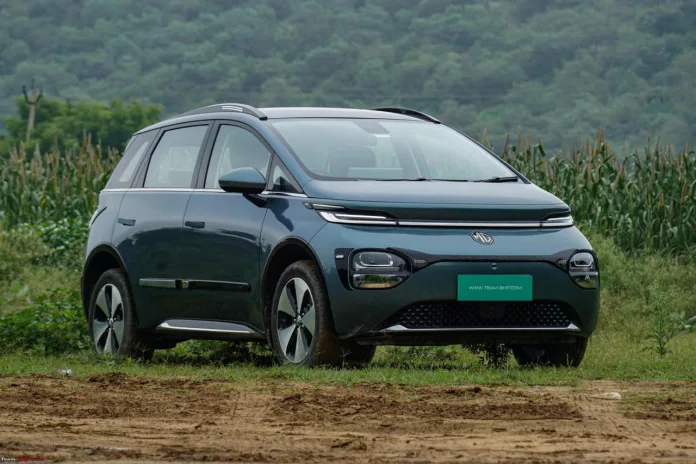

India’s electric vehicle market is experiencing an unprecedented transformation with projections indicating a remarkable 40.7% CAGR growth from 2025 to 2030. The India electric vehicle market size was valued at USD 8.49 billion in 2024 and is projected to expand exponentially, positioning the country as a global EV powerhouse and creating massive opportunities across the automotive ecosystem.
Table of Contents
Record-Breaking Sales Performance: The Numbers Tell the Story
Historic Growth Trajectory: India recorded 19,65,025 EV sales from April 2024 to March 2025, representing a 17% jump over the previous year. Sales of electric vehicles (EVs) in India saw a notable increase in January 2025, with a 19.4% MoM and 17.1% YoY growth, reaching 1,69,931 units.
Segment-Wise Dominance: The growth is broad-based across all vehicle categories, with electric two-wheelers leading the charge at 1.14 million units sold in FY25, up 21.1% year-on-year.

Market Size Projections: Multiple Forecasts Confirm Explosive Growth
| Research Source | 2024 Market Size | 2030 Projection | CAGR | Key Insight |
|---|---|---|---|---|
| Grand View Research | $8.49 billion | Significant growth | 40.7% | Government initiatives driving adoption |
| Fortune Business | $23.38 billion | $117.78 billion | 22.4% | Infrastructure development catalyst |
| Mordor Intelligence | $54.41 billion | $110.74 billion | 19.44% | Domestic manufacturing surge |
| S&P Global Mobility | 125,500 units | 1.33 million units | 140.2% YoY 2025 | Production capacity explosion |
Government Policy Excellence: The Catalyst Behind Growth
Strategic Investment: The Ministry of Heavy Industry introduced the PM Electric Drive Revolution in Innovative Vehicle Enhancement (PM E-DRIVE) scheme with a budget of USD 1.3 billion, accelerating India’s transition to electric mobility through targeted incentives and infrastructure development.
Manufacturing Support: To bolster domestic manufacturing of lithium-ion (Li-ion) batteries and enhance EV technology, the Indian government extended basic customs duty exemptions in the Union Budget 2025 to 35 additional capital goods essential for EV battery production.
Key Market Drivers: What’s Powering the Surge
1. Infrastructure Revolution: As of February 2024, there are 12,146 operational public EV charging stations nationwide. A recent Confederation of Indian Industry (CII) report emphasized the necessity of establishing at least 1.32 million charging stations in India by 2030.
2. State-Level Leadership:
- Goa leads with 14.20% EV penetration
- Delhi achieves 10.72% penetration
- Maharashtra targets 10% EV share by December 2025
3. Corporate Investment Boom: Notable 2024 EV investment commitments include Tata Motors-JLR Rs. 9,000 crore (US$ 1.07 billion), VinFast up to Rs. 16,500 crore (US$ 2 billion), and Royal Enfield Rs. 3,000 crore (US$ 358.1 million).
Competitive Landscape: Market Leaders Emerge
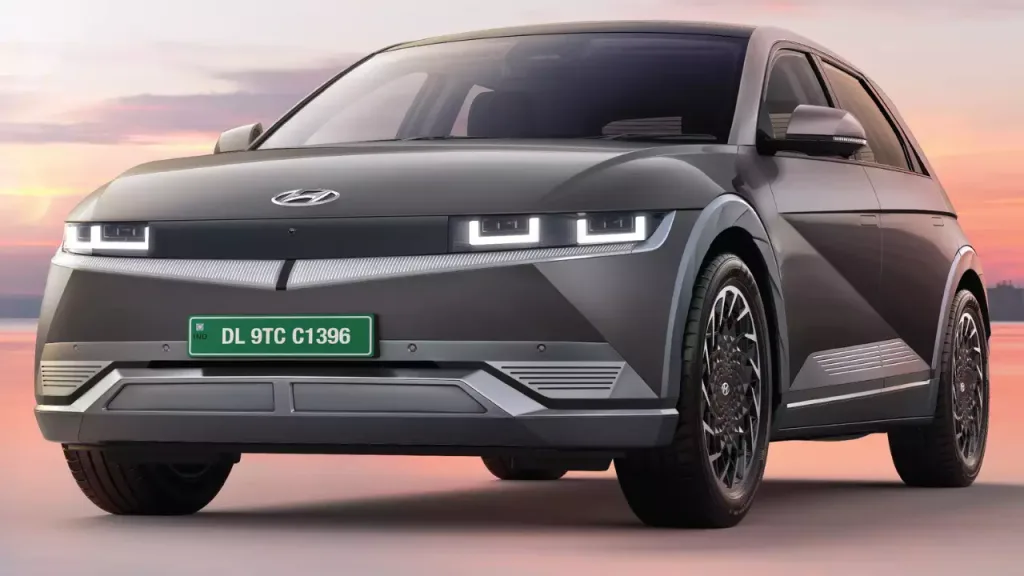
Electric Passenger Vehicles: Tata Motors maintains leadership with 35.4% market share, though facing increased competition from MG Motor India (30.6% share) and rapidly growing Mahindra & Mahindra (21.3% share, 338% YoY growth).
Two-Wheeler Segment: April 2025 saw nearly 91,791 electric two-wheelers sold – the best-ever April on record, marking ~40% YoY growth, driven by high demand for affordable e-scooters and e-bikes.
Future Outlook: Ambitious 2030 Vision
National Targets: India has established an objective to elevate EV sales proportion to:
- 30% in private cars
- 70% in commercial vehicles
- 40% in buses
- 80% in two-wheelers and three-wheelers
This equates to 80 million EVs on Indian roads by 2030.
Financial Ecosystem Growth: According to NITI Aayog and Rocky Mountain Institute (RMI), India’s EV finance industry is likely to reach Rs. 3.7 lakh crore (US$ 50 billion) in 2030.
Consumer Adoption Trends: Changing Mindsets
Market Acceptance: A recent survey reveals strong interest among Indian consumers in New Energy Vehicles (NEVs), with 83% of respondents indicating their readiness to choose NEVs exclusively for future purchases by the end of this decade.
Economic Drivers: Surging fossil fuel prices and significantly lower operating costs of electric vehicles compared to conventional vehicles are accelerating consumer adoption across all segments.
For comprehensive coverage of India’s electric mobility transformation, explore our EV Market Analysis and Government EV Policies. Stay updated with EV Sales Data and Charging Infrastructure Development.
Bottom Line: India’s 40% EV market surge represents more than growth statistics—it signals a fundamental shift toward sustainable mobility, backed by robust government support, expanding infrastructure, and changing consumer preferences that position India as a global electric vehicle manufacturing and adoption leader.
Accelerate into India’s electric future with IndiaEVNews.com – Your definitive source for comprehensive EV market intelligence and trends.

