

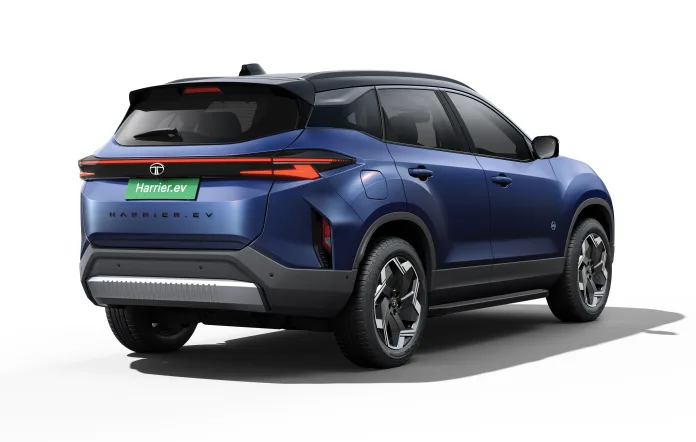

The EVs vs petrol debate in India just got clearer. Recent analysis confirms that electric vehicles are cheaper to run and have significantly less adverse impact on the environment compared to traditional petrol or diesel vehicles, marking a pivotal shift in India’s automotive landscape.
Table of Contents
Running Cost Comparison Breakdown
Indian consumers are discovering substantial savings when switching from internal combustion engines to electric powertrains. The Council on Energy, Environment and Water (CEEW) research indicates that operational costs favor electric vehicles across multiple parameters.
| Cost Factor | Electric Vehicle | Petrol Vehicle |
|---|---|---|
| Fuel/Energy Cost | ₹1-2 per km | ₹6-8 per km |
| Maintenance | 40% lower | Higher (engine service) |
| Running Cost/Year | ₹25,000-35,000 | ₹60,000-80,000 |
| Environmental Impact | Zero tailpipe emissions | High CO₂ emissions |
Government Support Amplifies Savings
India’s commitment to electric mobility through the National Electric Mobility Mission has created favourable conditions for electric vehicle adoption. State-level subsidies and reduced electricity tariffs for EV charging further enhance the cost advantage.
The CEEW Green Finance Centre’s EV savings calculator helps consumers understand potential savings based on their usage patterns and local electricity rates.

Market Reality Check
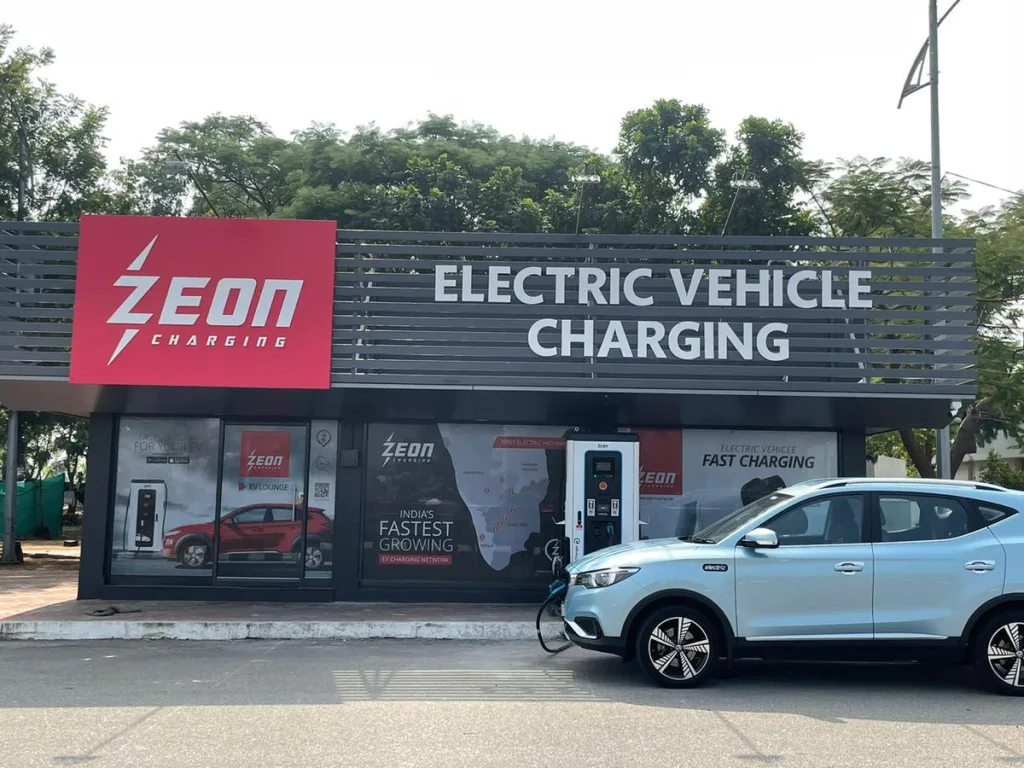
Over 1.9 million electric vehicles were sold in FY25—a 17% increase over FY24, reflecting growing consumer confidence in electric mobility economics. This surge aligns with improved charging infrastructure and longer-range electric vehicles entering the market.
Long-term Economic Benefits
Beyond daily running costs, electric vehicle owners benefit from reduced dependency on fluctuating petrol prices. With renewable energy driving 89% of India’s power capacity addition, electricity costs remain stable compared to volatile fuel prices.
Future Outlook
CEEW’s analysis of a 30% EV sales share by 2030 shows significant impact on domestic value-addition, jobs, crude oil imports, and reduced local pollution. This transition represents both individual savings and national economic benefits.
The evidence is clear: while they may have higher upfront costs, their operational advantages make them financially attractive for Indian consumers, especially with supportive government policies and improving infrastructure.
For comprehensive EV market analysis and cost comparisons, visit IndiaEVNews.com for the latest updates on India’s electric vehicle transition.

