

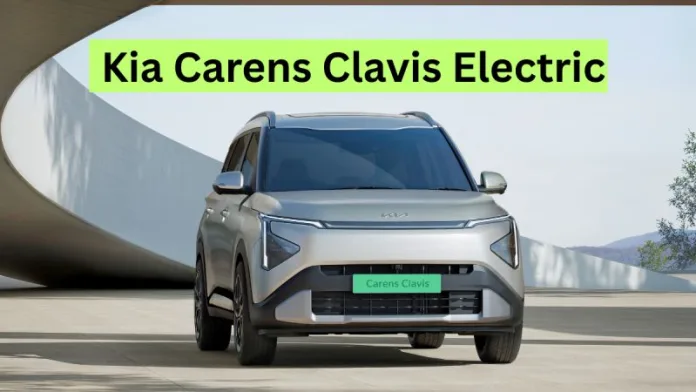

India’s electric vehicle landscape is about to witness a major transformation as Korean automaker Kia gears up to democratize electric mobility. The company’s ambitious plan to electrify its popular Carens and upcoming Syros models signals a strategic shift toward mass-market EVs.
Table of Contents
Kia’s EV Strategy: From Premium to Mass Market
Kia India is planning to launch its locally produced first electric vehicle, the Carens EV, around mid-2025. This move represents a significant departure from the current premium EV offerings, making electric vehicles accessible to middle-class Indian families.

Key Models in Kia’s Electric Pipeline
| Model | Expected Launch | Segment | Estimated Price |
|---|---|---|---|
| Carens Clavis EV | Mid-2025 | Compact MPV | ₹22.00 Lakh |
| Syros EV | Late 2025 | Compact SUV | ₹18-25 Lakh (estimated) |
| Clavis Compact SUV | Early 2025 | Compact SUV | ₹15-20 Lakh (estimated) |
Why This Matters for Indian Consumers
The current Indian EV market heavily skews toward either budget-friendly two-wheelers or luxury four-wheelers. Kia’s strategy bridges this gap by targeting the sweet spot where most Indian families shop for their primary vehicles.
The EV is expected to launch in India in the second half of 2025, and could be exported to other markets. This export potential indicates Kia’s confidence in India as a manufacturing hub for global EV distribution.

Market Impact and Competition
The South Korean giant’s entry into mass-market EVs will intensify competition with established players like Tata Motors and emerging brands. The Carens, already popular in its ICE variant, brings brand recognition that could accelerate EV adoption among traditional car buyers.
What Sets Kia Apart
- Proven Platform: Leveraging the successful Carens platform reduces development costs and consumer uncertainty
- Local Manufacturing: Ensures competitive pricing and faster service support
- Advanced Features: Expected to include Level 2 ADAS and premium infotainment systems
The Road Ahead
The brand’s electric offensive reflects broader market confidence in India’s EV infrastructure development. With government incentives and improving charging networks, the timing appears optimal for mass-market electric vehicles.
For Indian consumers, this means more choices, competitive pricing, and accelerated adoption of clean mobility solutions. The success of Kia’s EV strategy could set the template for other manufacturers planning similar transitions.
Stay updated with the latest EV developments at IndiaEVNews.com for comprehensive coverage of India’s electric vehicle revolution.

