

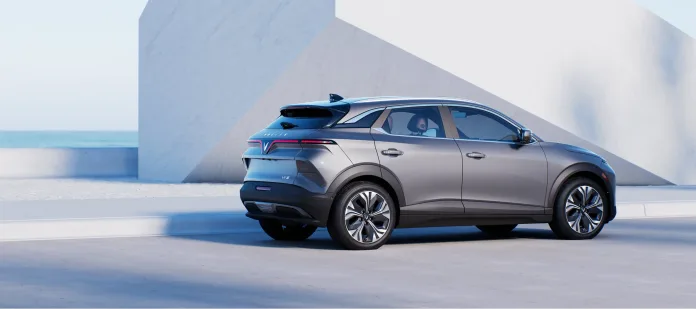

The Indian electric vehicle market is buzzing with excitement as VinFast VF6 has been spotted testing in India, signaling an imminent launch. This Vietnamese automaker’s entry into the competitive Indian EV segment promises to shake up the market with its innovative features and competitive pricing.
Table of Contents
VinFast VF6 India Launch Timeline
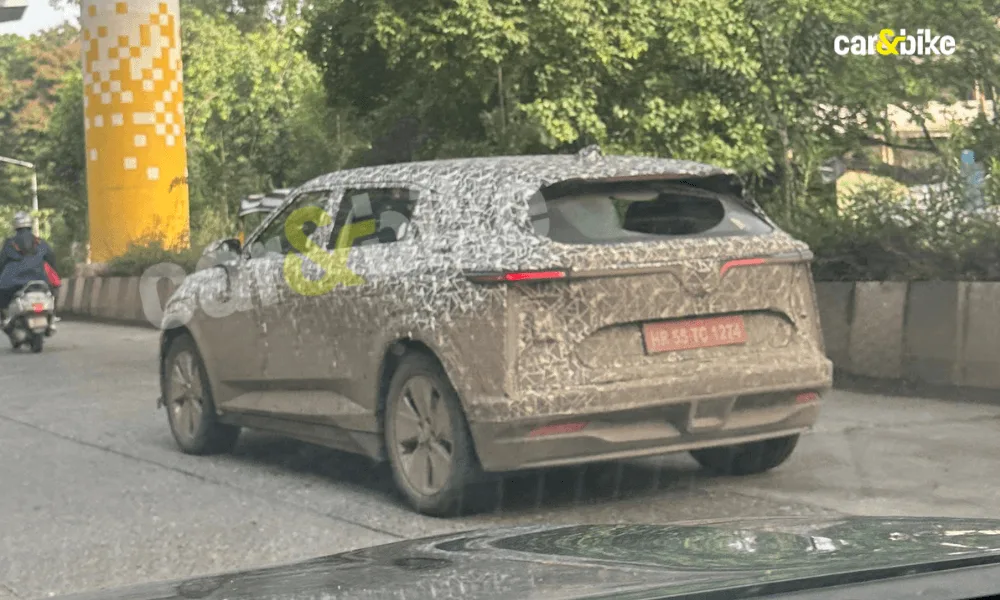
VinFast VF6 is expected to be launched in India in September 2025, marking a significant milestone for the Vietnamese brand’s global expansion. The recent spy shots of test vehicles in major Indian cities confirm that the company is serious about its Indian debut.
VinFast is currently conducting a series of real-world tests across key metro cities to assess the compatibility of its VF6 and VF7 models with third-party EV chargers. These trials are crucial for ensuring seamless integration with India’s existing charging infrastructure.
VinFast VF6 Price and Variants
The VinFast VF6 is positioned as a premium electric SUV, with pricing details that make it competitive in the Indian market.
The VinFast 6 will be offered with a sole 59.6kWh battery pack having a claimed range of up to 399km on a single charge, making it a practical choice for Indian consumers.
Key Specifications and Features
Design and Dimensions
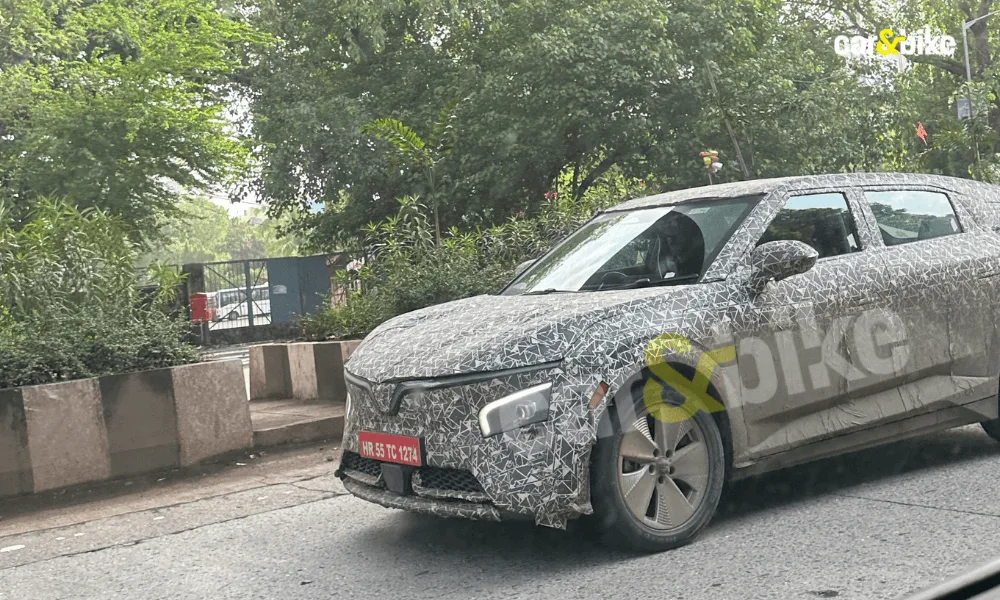
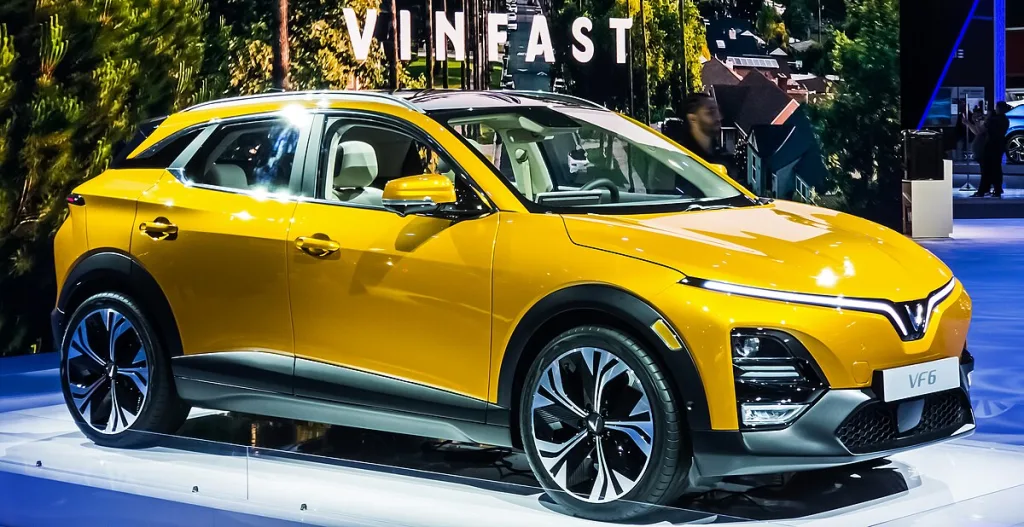
The VF 6 gets a unique design with full-width LED strips and a sloping roofline, giving it a distinctive appearance in the crowded SUV segment. The vehicle showcases Italian design influence, being designed by Italian Torino Design.
Performance Specifications
The battery unit sends power to the single electric motor that produces up to 200bhp and 310Nm of torque, ensuring adequate performance for city and highway driving.
Interior and Technology
Its cabin features a 12.9-inch touchscreen but omits the instrument cluster, representing a modern approach to vehicle interfaces. The model has infotainment technology that allows users to stream videos, play games, shop online or control their smart home devices as part of the Smart Service subscription package.
Safety Features and Ratings
Safety is a top priority for VinFast, and Vinfast India to launch VF6 and VF7 in the coming months and is targeting 5 star Bharat NCAP crash test rating for the EVs. The company is confident about achieving the highest safety standards for Indian consumers.
Is equipped with Level-2 ADAS features, providing advanced driver assistance systems that enhance safety and convenience.
Market Competition
Upon its arrival, the VinFast 6 will compete against the BYD Atto 3, MG ZS EV, and the Hyundai Ioniq 5 in the electric crossover segment. This positions the VF6 in a highly competitive market segment.
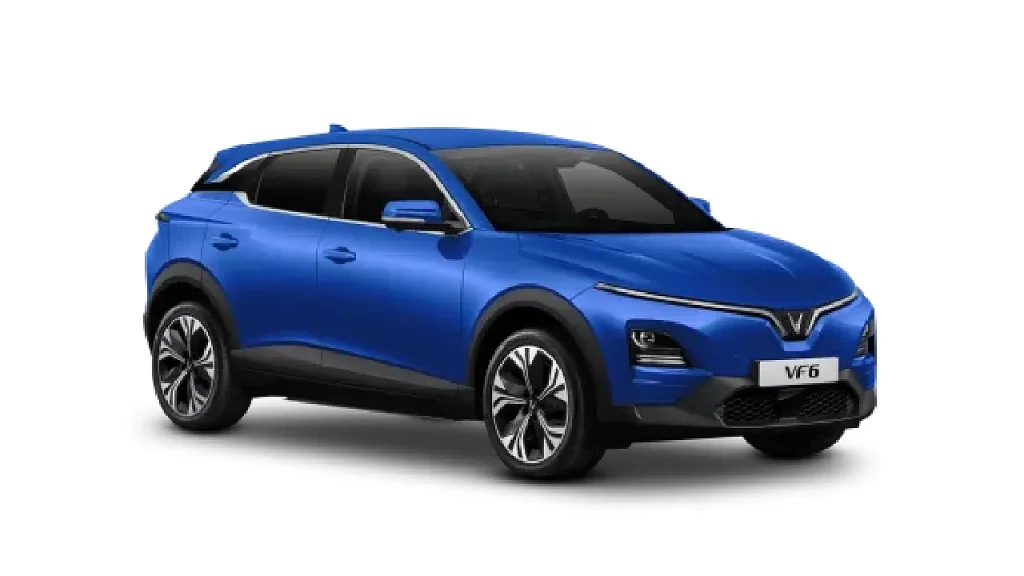
VinFast VF6 Testing Phase
Recent spy shots reveal that The VF6 can be seen in Brahminy White and Jet Black color options during testing phases. A wrapped test mule of the VinFast VF6 eSUV has been spied testing in Mumbai, indicating comprehensive testing across different Indian conditions.
What Makes VinFast VF6 Special?
- Unique Design Language: Full-width LED strips and sloping roofline create a distinctive appearance
- Advanced Technology: 12.9-inch touchscreen with smart connectivity features
- Competitive Range: 399 km range suitable for Indian driving conditions
- Safety Focus: Targeting 5-star Bharat NCAP rating
- Italian Design: Crafted by renowned Italian Torino Design
Conclusion
The VinFast VF6’s arrival in India represents a significant development in the country’s electric vehicle landscape. With its competitive pricing, advanced features, and focus on safety, the VF6 is well-positioned to capture market share in the growing Indian EV segment. As testing continues and the September 2025 launch approaches, Indian consumers can look forward to another compelling electric SUV option that combines Vietnamese innovation with Italian design excellence.
The ongoing testing phase demonstrates VinFast’s commitment to ensuring the VF6 meets Indian road conditions and charging infrastructure requirements, setting the stage for a successful market entry.
Also read- Toyota Chief’s Bold EV Claim Sparks Scientific Controversy: What the Data Really Shows

