

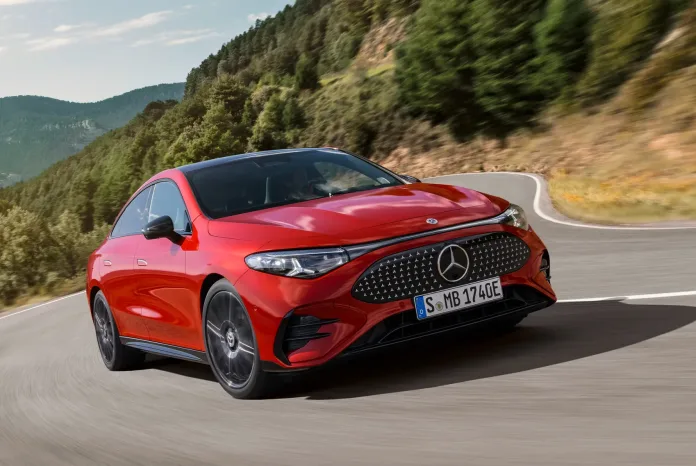

While the mass market debates range anxiety and charging infrastructure, India’s luxury car buyers are quietly driving an electric revolution. The numbers are striking: luxury EV sales have surged 66% year-on-year in the first five months of 2025, outpacing the broader automotive market and signaling a fundamental shift in premium mobility preferences.
Table of Contents
The Luxury EV Boom: By the Numbers
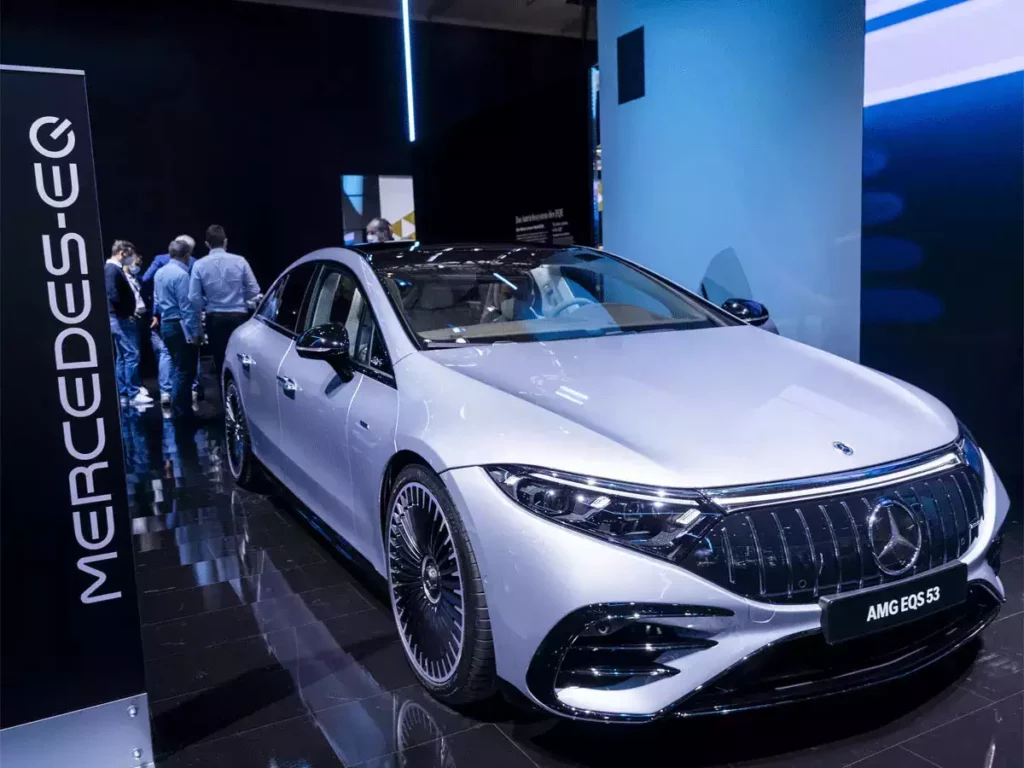
The luxury electric vehicle segment in India is experiencing unprecedented growth, with Mercedes-Benz leading the charge with a staggering 76% increase in EV sales during January-May 2025. This isn’t just a statistical blip—it’s a clear indicator that affluent Indian consumers are embracing electric luxury with open arms.
Market Share Transformation
| Segment | 2024 EV Share | 2025 EV Share | Growth Rate |
|---|---|---|---|
| Luxury Cars | 7% | 11% | +66% YoY |
| Mass Market | – | 4% | Slower growth |
| Mercedes-Benz EVs | 940 units (2024) | 501 units (Jan-May 2025) | +76% YoY |
The contrast is remarkable: luxury EVs now represent 11% of premium car sales compared to just 4% in the mass market. This suggests that when price isn’t the primary concern, Indian consumers are increasingly choosing electric over internal combustion engines.
Leading the Charge: Brand Rankings
The luxury EV landscape has clear winners emerging:
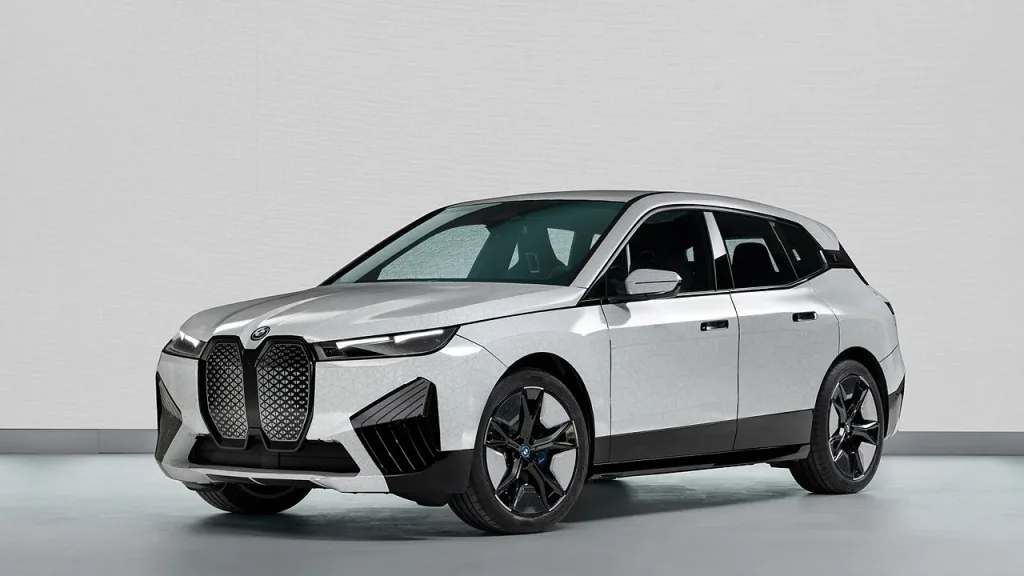
- BMW – Currently leading luxury EV sales
- Mercedes-Benz – Strong second with 76% growth
- Volvo – Securing third position
Mercedes-Benz’s trajectory is particularly impressive. With 501 EVs sold in just five months of 2025, they’re on track to significantly exceed their 2024 total of 940 units, potentially doubling their annual sales.
What’s Driving This Electric Luxury Boom?
Infrastructure Reality Check
Unlike mass-market buyers who worry about finding charging stations, luxury EV owners often have different usage patterns and charging solutions. Many can afford home charging setups and aren’t dependent on public infrastructure for daily use.
The Economics of Luxury EVs
Santosh Iyer, MD and CEO of Mercedes-Benz India, points out a fascinating dynamic: the price difference between ICE and EV luxury cars can be as much as ₹1 crore. However, policy incentives and lower operational costs are making EVs increasingly attractive to this segment.
Key Growth Drivers
- Improved charging infrastructure in urban luxury markets
- Greater public awareness about EV benefits
- Strategic product placement by luxury brands
- Policy-driven incentives reducing total cost of ownership
- Environmental consciousness among affluent buyers
The Premium EV Portfolio
Mercedes-Benz’s current Indian EV lineup showcases the breadth of luxury electric options:
Mercedes-Benz EV Range
- G-Class Electric – The iconic off-roader goes electric
- EQS Sedan – Flagship luxury electric sedan
- EQS SUV – Premium electric SUV
- EQE SUV – Mid-size luxury electric SUV
- EQB & EQA – Compact luxury electric SUVs
Most of these models are priced above ₹1 crore ex-showroom, yet they’re finding ready buyers—a testament to the segment’s health.
Market Dynamics: Why Luxury EVs Are Outpacing Mass Market
Consumer Psychology
Luxury car buyers approach EVs differently than mass-market consumers. For them, the decision often involves:
- Technology appeal – Latest automotive innovation
- Status symbol – Being early adopters of premium tech
- Environmental responsibility – Aligning lifestyle with values
- Performance benefits – Instant torque and quiet operation
Practical Advantages
- Lower operational costs significant for high-mileage luxury users
- Premium service networks ensuring better EV ownership experience
- Advanced features like over-the-air updates and premium infotainment
Challenges and Opportunities Ahead
Current Hurdles
- Currency volatility affecting import costs
- Economic uncertainty impacting discretionary spending
- Limited local manufacturing keeping prices high
Growth Catalysts
Despite challenges, Mercedes-Benz expects double-digit growth through 2025, driven by:
- Growing customer confidence in EV technology
- Infrastructure expansion in tier-1 cities
- Increasing model availability across price points
What This Means for India’s EV Future
The luxury segment’s embrace of EVs has broader implications for India’s electric transition:
Trickle-Down Effect
Luxury adoption often influences mass-market preferences. As premium EVs become commonplace, they normalize electric mobility for broader audiences.
Infrastructure Development
Luxury EV sales justify investments in premium charging infrastructure, which eventually benefits all EV users.
Technology Advancement
High-margin luxury EVs fund R&D that eventually reaches more affordable segments.
The Road Ahead: Luxury Leading the Way
The 66% growth in luxury EV sales isn’t just a number—it’s a signal that India’s automotive future is electric, starting from the top. While mass-market adoption faces infrastructure and affordability challenges, the luxury segment is proving that when conditions are right, Indian consumers are ready for electric mobility.
This trend suggests that the path to India’s EV revolution might not be uniform across all segments. The luxury market’s early embrace could create the foundation for broader adoption, making premium electric vehicles the unexpected catalyst for India’s sustainable mobility future.
As charging infrastructure improves and prices eventually normalize, the luxury segment’s current enthusiasm for EVs could well predict the mass market’s tomorrow. For now, India’s affluent are driving change one premium electric vehicle at a time.
The luxury EV boom isn’t just about expensive cars—it’s about India’s automotive future taking shape in the premium segment first.

