


The Indian EV industry risks running out of rare earth magnets by July, threatening production. Explore the supply challenges, impact, and future outlook in this detailed analysis.
The Indian electric vehicle (EV) industry is facing a critical supply chain challenge that could disrupt production as early as July 2025. Bajaj Auto’s Executive Director, Rakesh Sharma, recently issued a stark warning: the shortage of rare earth magnets—an essential component in EV motors—may severely impact manufacturing if current bottlenecks persist.
This looming crisis not only threatens Bajaj Auto but the entire Indian EV ecosystem, underscoring the urgent need for strategic intervention and innovation.
Table of Contents
Why Are Rare Earth Magnets Vital for EVs?
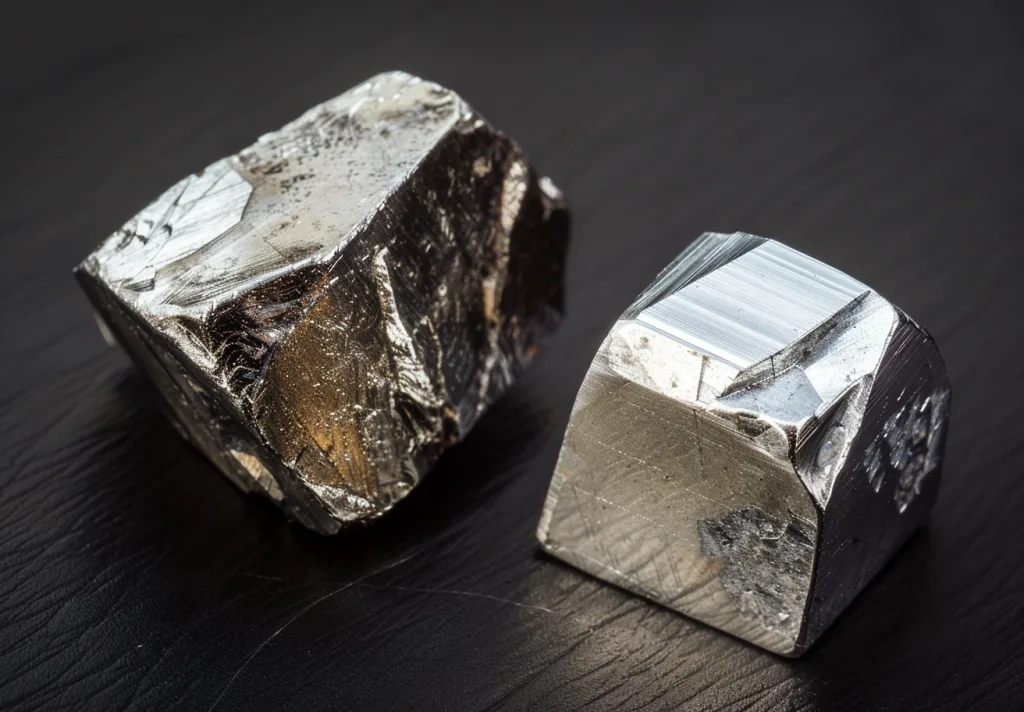
Rare earth magnets are the heart of electric motors used in EVs. These magnets, made from elements like neodymium and dysprosium, provide the strong magnetic fields necessary for efficient motor operation.
Their unique properties enable electric motors to deliver high power density and energy efficiency, which are critical for the performance and range of electric two-wheelers, three-wheelers, and passenger vehicles.
Without a steady supply of these magnets, EV manufacturers cannot produce motors that meet performance and safety standards, directly impacting vehicle availability and the growth of India’s EV market.
The Supply Chain Bottleneck: Heavy Dependence on China
India’s EV industry is almost entirely dependent on imports of rare earth magnets from China, which dominates over 90% of the global processing and supply of these materials. This dependence has become a significant vulnerability amid recent regulatory changes.
In April 2025, China introduced stringent new rules requiring import permits for rare earth magnets. These rules were initially perceived as a response to U.S. tariffs but have since caused ripple effects across global automotive supply chains.
The import process now demands multiple certifications, including declarations that the magnets are not intended for military use. This involves approvals from several Indian ministries, the Chinese embassy, and final export clearance from Chinese authorities.
Despite more than 30 applications submitted by Indian automakers, no clearances have been granted yet. Chinese officials have indicated that the approval process could take 40 to 45 days, but the cycle remains incomplete, leaving Indian manufacturers in a precarious position.
Impact on Indian EV Production: A Race Against Time
As stocks of rare earth magnets dwindle, Bajaj Auto and other manufacturers face the real risk of production slowdowns or even halts by July 2025. Rakesh Sharma emphasized that this is not an isolated issue but a systemic challenge affecting the entire Indian auto industry.
The shortage threatens to stall the momentum of India’s EV push, which is critical for meeting the country’s climate goals and reducing dependence on fossil fuels. Production delays could also impact consumer confidence and slow down the adoption of electric vehicles, which are vital for India’s sustainable mobility future.
Can India Develop Domestic Alternatives?
India does have rare earth deposits, but the country currently lacks the infrastructure and expertise to extract and refine these materials at scale. Developing a domestic supply chain for rare earth magnets requires significant investment, technology transfer, and time.
Moreover, finding substitutes for rare earth magnets is not straightforward. Alternative materials must be developed, tested, and validated to ensure they meet the performance and safety standards required for EV motors. This process is complex and time-consuming, with no immediate solutions available.
Rakesh Sharma acknowledged that becoming self-reliant in rare earth magnet supply will be a long-term journey. It will require conscious efforts, strategic investments, and collaboration between industry and government.
Industry and Government Response: Seeking Solutions
The crisis has prompted industry bodies like the Society of Indian Automobile Manufacturers (SIAM) and the Automotive Component Manufacturers Association of India (ACMA) to urge the government to expedite import permits and engage diplomatically with China to facilitate shipments.
At the same time, there is growing recognition of the need to diversify supply chains and invest in domestic rare earth processing capabilities. This includes exploring partnerships, incentivising mining and refining projects, and supporting research into alternative materials and technologies.
Table: Rare Earth Magnet Shortage — Key Facts
| Aspect | Details |
|---|---|
| Critical Component | Rare earth magnets used in EV motors |
| Primary Supply Source | China (over 90% of global processing) |
| Regulatory Bottleneck | Complex import approvals involving Indian ministries and Chinese authorities |
| Impact Timeline | Potential production disruption by July 2025 |
| Indian Deposits | Present but require investment for extraction and refining |
| Alternative Solutions | Under research; no short-term substitutes available |
| Industry Action | Over 30 import applications pending; calls for government intervention |
What This Means for the Future of Indian EVs
The rare earth magnet shortage is a wake-up call for India’s EV industry and policymakers. It exposes the risks of over-reliance on a single country for critical components and highlights the urgent need for a multi-pronged strategy to secure supply chains.
In the short term, the industry hopes for expedited approvals and shipments to avoid production disruptions. Over the longer term, India must invest in domestic mining, refining, and research into alternative materials to build a resilient and self-reliant EV ecosystem.
This crisis could accelerate innovation and policy reforms, ultimately strengthening India’s position in the global EV market and supporting its climate and mobility goals.

