

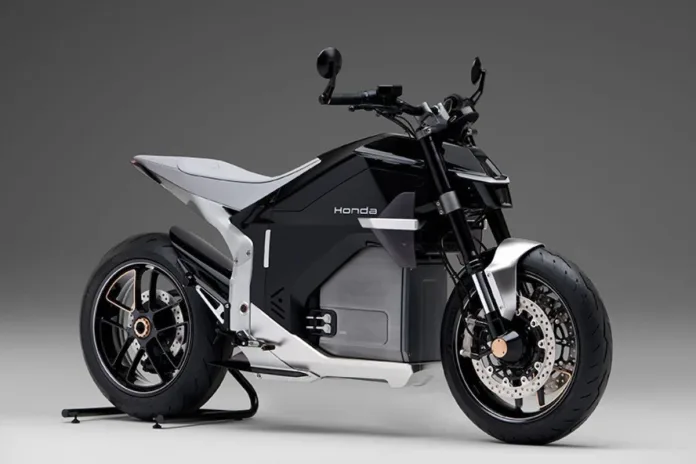

Honda Two-Wheeler EV Launch: Discover how Honda plans to launch a new electric two-wheeler every year, aiming for the No. 1 market share in India. Explore their EV strategy, plant expansion, and what it means for Indian riders.
Table of Contents
Honda Two-Wheeler EV Launch: New Electric Model Every Year
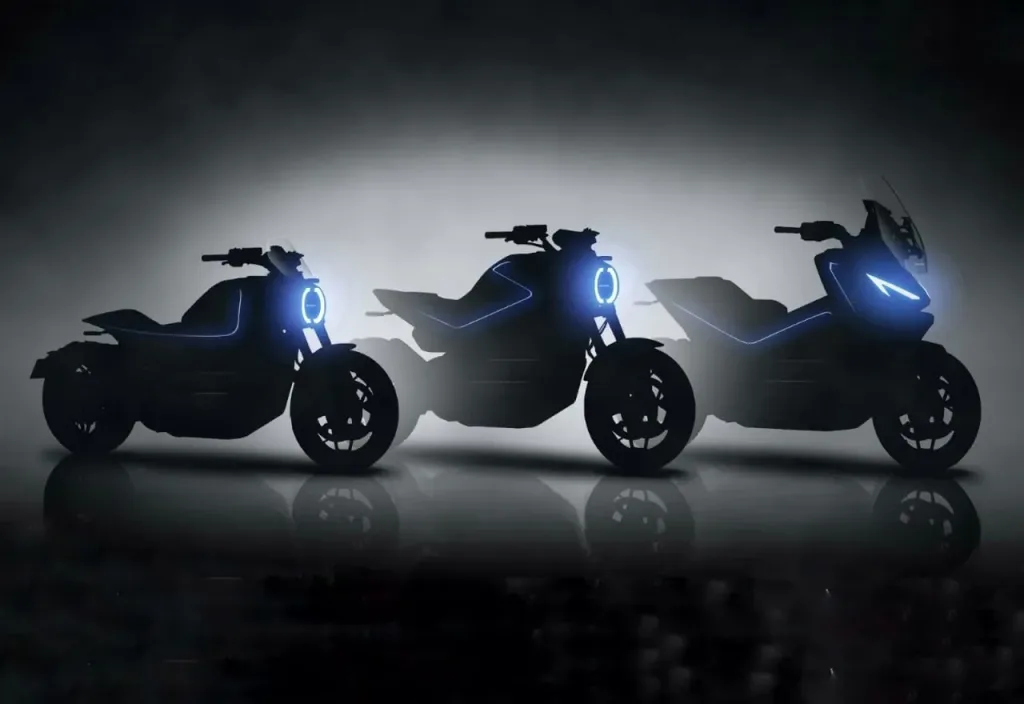
Honda, a name synonymous with reliability and innovation in India’s two-wheeler market, is now setting its sights on a new frontier: electric mobility.
In a bold move that could reshape the landscape of Indian transportation, Honda Motorcycles and Scooters India (HMSI) has announced its plan to launch at least one new electric two-wheeler every year. This ambitious strategy is part of Honda’s larger vision to claim the No. 1 spot in India’s rapidly growing electric vehicle (EV) segment.
Honda’s Vision: Leading the Charge in India’s EV Revolution
India’s two-wheeler market is at a turning point. With rising fuel prices, increasing environmental awareness, and government incentives, more Indian consumers are considering electric vehicles than ever before. Honda, already a leader in the petrol-powered segment, is now investing heavily to ensure it doesn’t just participate in this revolution—it leads it.
The company is investing a staggering ₹920 crore to expand its Vithalapur plant in Gujarat. This expansion will increase Honda’s annual production capacity to a remarkable 7 million units by 2027, up from the current 6.1 million.
Honda’s four plants across India—including a dedicated EV facility in Karnataka—are central to this growth. The Narsapura plant in Karnataka, in particular, is set to become a global export hub for Honda’s electric two-wheelers.
Key Production Facilities
| Plant Location | Annual Capacity (Units) | Specialization |
|---|---|---|
| Manesar, Haryana | 380,000 | Two-wheelers |
| Tapukara, Rajasthan | 1,300,000 | Two-wheelers |
| Narsapura, Karnataka | 2,500,000 | Dedicated EV Plant |
| Vithalapur, Gujarat | 7,000,000 (by 2027) | Expansion underway |
The EV Lineup: Innovation for Indian Roads
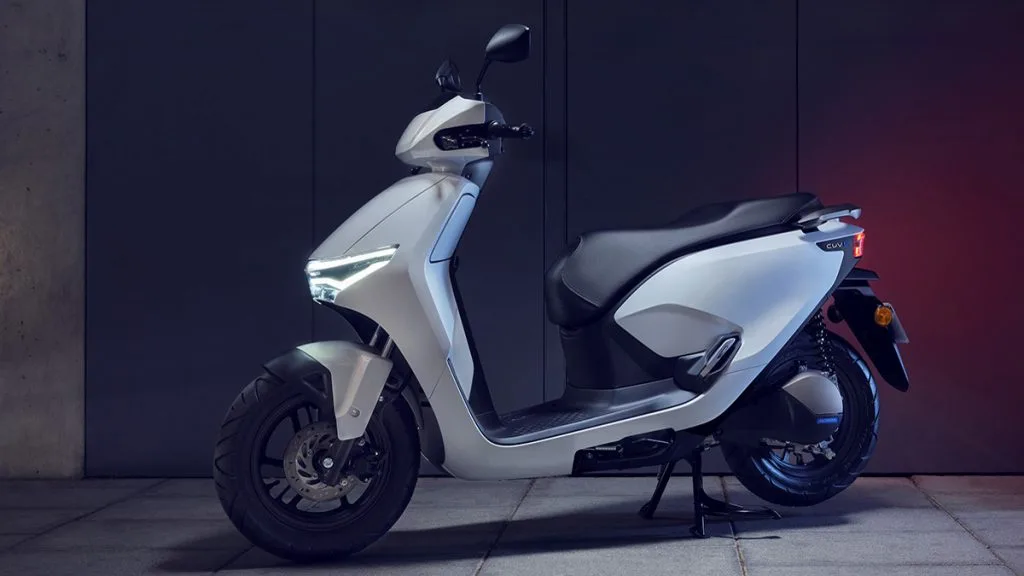
Honda’s electric journey in India began in earnest in 2025 with the launch of the Activa e: and QC1 electric scooters. The Activa e: is particularly innovative, featuring two swappable batteries.
This means riders can quickly exchange depleted batteries for fully charged ones at Honda’s e: Swap stations, which are already operational in major cities like Bangalore, Mumbai, and Delhi NCR. The QC1, on the other hand, comes with a fixed battery, catering to riders who prefer a more traditional approach.
Battery swapping is a game-changer for Indian consumers, addressing one of the biggest concerns with EVs: charging time. Instead of waiting hours for a battery to charge, Honda riders can simply swap and go. This convenience, combined with Honda’s reputation for reliability, is expected to drive widespread adoption.
But Honda’s ambitions don’t stop there. The company has committed to launching at least one new electric model every year, not just in India but globally.
At the EICMA 2024 show in Milan, Honda unveiled two exciting electric motorcycle concepts: the ‘EV Fun’ and ‘EV Urban’. These models, set to hit European roads in late 2025, showcase Honda’s commitment to blending performance, style, and sustainability.
Market Ambitions: Aiming for the Top
Honda’s leadership is clear about their goals. In FY25, HMSI sold over 5.3 million two-wheelers (excluding EVs), capturing a 28.3% market share. The company is rapidly closing the gap with Hero MotoCorp, the current market leader, and is determined to dominate both the traditional and electric two-wheeler segments.
The Indian electric two-wheeler market is booming, with 1.2 million units sold in FY25 alone. Honda’s modular approach to EV design—standardizing and combining components across models—will help reduce costs and speed up production.
This strategy not only benefits Indian consumers with more affordable options but also positions India as a key export base for Honda’s global EV ambitions.
Why Honda’s EV Push Matters
Honda’s aggressive EV strategy is more than just a business move—it’s a commitment to a cleaner, greener future for India. By investing in infrastructure, launching innovative products, and focusing on customer convenience, Honda is addressing the key barriers to EV adoption: range anxiety, charging infrastructure, and battery longevity.
For Indian riders, this means more choices, better technology, and the peace of mind that comes with Honda’s legendary reliability. Whether you’re a daily commuter or a weekend explorer, Honda’s expanding EV lineup promises to make electric mobility accessible and enjoyable.

