


The world is witnessing an electric vehicle (EV) revolution, with 2024 marking a historic milestone as global EV sales surged to an unprecedented 17 million units. This surge is a testament to the growing environmental consciousness, technological advancements, and robust policy support that are driving the shift towards sustainable mobility worldwide. Yet, amid this global momentum, Indian EV market share remains stubbornly stuck at just 2%.
This figure stands in stark contrast to the rapid adoption rates seen in countries like China, the United States, and several European nations. The question that looms large is: why is India, a country with one of the world’s largest automotive markets and a pressing need for cleaner transportation, lagging behind in the EV race? In this blog post, we delve deep into the factors holding back India’s EV growth, the unique challenges it faces, and the opportunities that could unlock the country’s true potential in the electric mobility revolution.
Indian EV Market Share Stuck at 2%: Understanding the Gap Amidst Global Electric Vehicle Boom
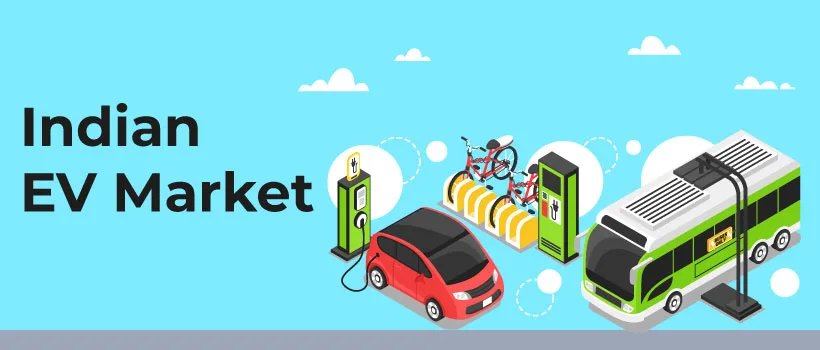
As the world accelerates towards a greener future, the electric vehicle sector has become a focal point of innovation and investment. In 2024, global EV sales shattered previous records, reaching a staggering 17 million units. This remarkable achievement reflects not only the growing consumer demand for sustainable transportation but also the effectiveness of government policies, incentives, and infrastructure development in key markets. Countries like China have emerged as global leaders, accounting for a significant portion of these sales, while Europe and North America continue to make impressive strides in EV adoption. However, India’s EV market, despite its vast potential, remains an outlier with a market share that has plateaued at 2%.
The reasons behind this stagnation are multifaceted. One of the primary challenges is the lack of robust charging infrastructure across the country. While metropolitan cities like Delhi, Mumbai, and Bengaluru have seen some progress, vast swathes of rural and semi-urban India still lack the basic facilities needed to support widespread EV adoption. This infrastructure gap fuels range anxiety among potential buyers, making them hesitant to switch from conventional vehicles to electric alternatives. Additionally, the high upfront cost of EVs compared to traditional internal combustion engine vehicles remains a significant deterrent for price-sensitive Indian consumers. Although the total cost of ownership for EVs is lower in the long run due to reduced fuel and maintenance expenses, the initial investment continues to be a major hurdle.
Another critical factor is the limited availability of affordable EV models that cater to the diverse needs of Indian consumers. While the two-wheeler and three-wheeler segments have seen some traction, the four-wheeler market is still dominated by a handful of models, most of which are priced beyond the reach of the average buyer. This lack of variety and affordability restricts the market’s ability to scale rapidly. Furthermore, the Indian automotive industry is heavily reliant on imports for key EV components such as batteries and semiconductors. This dependence not only drives up costs but also exposes the market to global supply chain disruptions, as witnessed during the recent pandemic and geopolitical tensions.
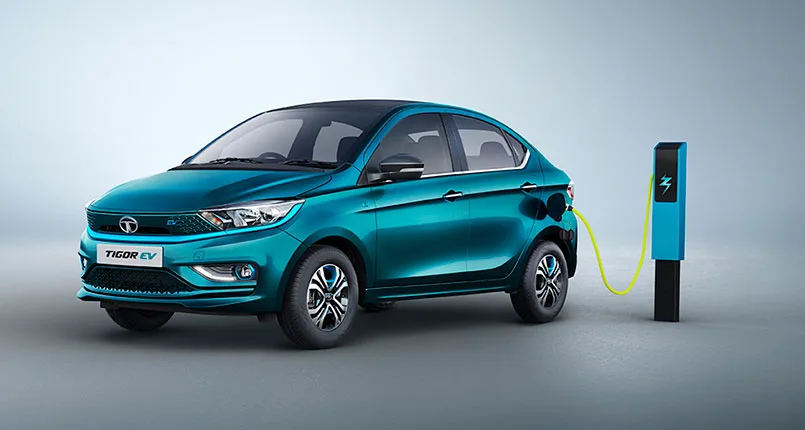
Government policies and incentives, while well-intentioned, have yet to achieve the desired impact. Schemes like the Faster Adoption and Manufacturing of Hybrid and Electric Vehicles (FAME) have provided some impetus, but implementation challenges and bureaucratic delays have limited their effectiveness. In contrast, countries leading the EV revolution have adopted aggressive, well-coordinated strategies that combine financial incentives, stringent emission norms, and massive investments in infrastructure. India’s fragmented approach has resulted in slow progress, with many states still formulating their own EV policies and incentives, leading to inconsistencies and confusion among manufacturers and consumers alike.
Despite these challenges, the Indian EV market is not without hope. The country’s vast population, growing urbanization, and increasing environmental awareness present a significant opportunity for growth. The government’s ambitious target of achieving 30% EV penetration by 2030 underscores its commitment to transforming the mobility landscape. To realize this vision, a concerted effort is needed to address the existing bottlenecks. This includes ramping up investments in charging infrastructure, incentivizing local manufacturing of EV components, and fostering innovation in battery technology to bring down costs and improve performance.
The table below provides a comparative snapshot of EV market shares and growth drivers in key global markets versus India:
| Country/Region | 2024 EV Market Share | Key Growth Drivers |
|---|---|---|
| China | 30% | Strong policy support, local manufacturing |
| Europe | 25% | Emission norms, incentives, infrastructure |
| USA | 12% | Tax credits, tech innovation, infrastructure |
| India | 2% | Policy gaps, high costs, infrastructure lag |
Looking ahead, collaboration between the public and private sectors will be crucial in overcoming the challenges facing India’s EV market. Automakers, technology providers, and energy companies must work together to develop affordable, high-quality EVs tailored to Indian conditions. At the same time, policymakers need to streamline regulations, enhance incentives, and ensure the timely rollout of infrastructure projects. Consumer education and awareness campaigns will also play a vital role in dispelling myths and building confidence in electric mobility.
The global EV boom offers valuable lessons for India. By learning from the successes and failures of other markets, India can chart its own path towards a sustainable, electrified future. The journey may be fraught with challenges, but the rewards—in terms of cleaner air, reduced dependence on fossil fuels, and economic growth—are well worth the effort.
Also Read: Skoda Volkswagen Plans Big for EVs by 2030
Frequently Asked Questions
Q1: Why is India’s EV market share so low compared to other countries?
India’s EV market share remains low due to factors such as inadequate charging infrastructure, high upfront costs, limited model availability, and policy implementation challenges.
Q2: What steps can accelerate EV adoption in India?
Accelerating EV adoption in India requires increased investment in charging infrastructure, local manufacturing of components, stronger policy incentives, and greater consumer awareness.
In summary, while the world celebrates a record-breaking year for electric vehicle sales, India’s EV market continues to face significant headwinds. The persistent 2% market share is a stark reminder of the work that lies ahead. However, with the right mix of policy support, industry collaboration, and consumer engagement, India has the potential to emerge as a major player in the global EV landscape. The road to electrification may be long and challenging, but the destination promises a cleaner, greener, and more sustainable future for all.

