

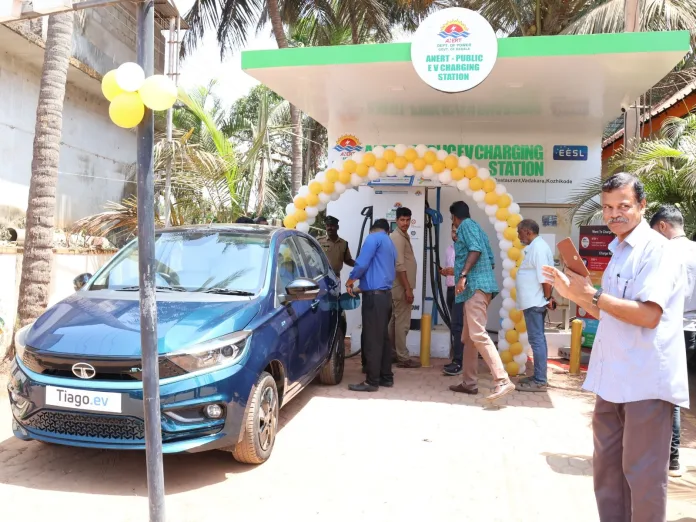

As India accelerates its transition to sustainable mobility, Kerala has emerged as a trailblazer with a new initiative that could reshape the electric vehicle (EV) landscape in the state. The Kerala State Electricity Board (KSEB) has announced a significant reduction in daytime charging rates at its EV charging stations, a move designed to make electric mobility more affordable and accessible for all.
This strategic decision is not just about lowering costs; it’s about encouraging more people to embrace EVs, optimizing the use of renewable energy, and supporting the state’s ambitious climate goals. With the cost of charging often cited as a barrier to EV adoption, KSEB’s new tariff structure is poised to make a real difference for both current and prospective EV owners. As the sun shines brighter on Kerala’s roads, the promise of cheaper, cleaner, and smarter transportation is becoming a reality—one charge at a time.
KSEB EV Charging Stations: Making Green Mobility Affordable
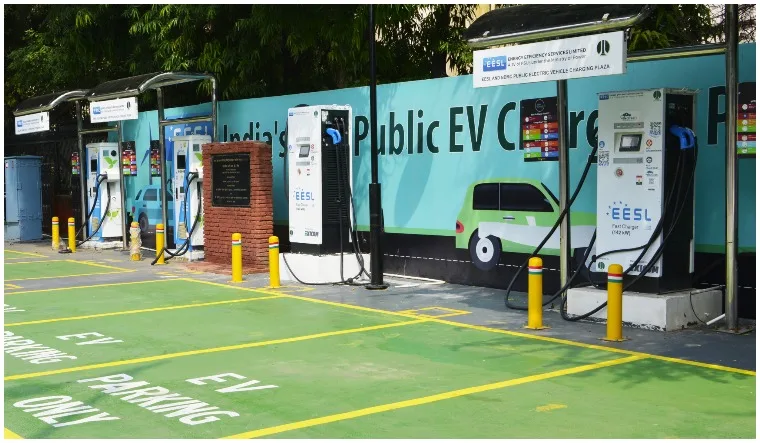
Kerala’s commitment to sustainable transportation has taken a major leap forward with KSEB’s decision to lower daytime charging rates at its network of EV charging stations. The new tariff, which applies from 8 a.m. to 4 p.m., is set at ₹12 per unit, a notable reduction from the previous flat rate of ₹18 per unit. This initiative is designed to incentivize EV owners to charge their vehicles during daylight hours, when solar power generation is at its peak. By aligning charging demand with renewable energy supply, KSEB is not only making EV ownership more economical but also helping to balance the state’s electricity grid and reduce reliance on fossil fuels. The move is expected to benefit a wide range of users, from private car owners to commercial fleet operators, and could serve as a model for other states looking to promote green mobility.
The Strategy Behind Daytime Charging Discounts
The rationale for KSEB’s new tariff structure is rooted in both economics and environmental stewardship. Kerala has made significant investments in solar energy, and daytime hours often see a surplus of renewable power generation. By offering lower rates for charging during these periods, KSEB is encouraging EV users to take advantage of cleaner, cheaper electricity. This not only helps to reduce the overall carbon footprint of transportation but also supports the state’s broader renewable energy targets. The initiative is also expected to ease pressure on the grid during peak evening hours, when electricity demand typically spikes. By shifting a portion of EV charging to the daytime, KSEB can optimize grid performance and minimize the need for costly infrastructure upgrades. The result is a win-win for consumers, the environment, and the state’s energy system.
How the New Tariff Compares: A Quick Look
To better understand the impact of KSEB’s new rates, it’s helpful to compare the old and new tariff structures, as well as how Kerala stacks up against other states.
| State/Provider | Daytime Rate (₹/unit) | Night Rate (₹/unit) | Previous Flat Rate (₹/unit) | Notes |
|---|---|---|---|---|
| KSEB (Kerala) | 12 | 18 | 18 | Daytime: 8 a.m. to 4 p.m. |
| BESCOM (Karnataka) | 15 | 15 | 15 | No time-based differentiation |
| TANGEDCO (Tamil Nadu) | 16 | 16 | 16 | No time-based differentiation |
| MSEDCL (Maharashtra) | 15 | 15 | 15 | No time-based differentiation |
Note: Rates are indicative and may vary by location and provider.
The Broader Impact: Driving EV Adoption and Renewable Integration
KSEB’s move to lower daytime charging rates is expected to have far-reaching effects on Kerala’s EV ecosystem. By making charging more affordable, the initiative lowers the total cost of ownership for EVs, making them a more attractive option for consumers. This is particularly significant in a market where upfront costs and running expenses are key considerations for buyers.
The policy also supports Kerala’s goal of having one million EVs on the road by 2030, a target that will require both robust infrastructure and consumer-friendly policies. Additionally, by encouraging the use of solar power for charging, KSEB is helping to integrate more renewable energy into the grid, reducing emissions and supporting the state’s climate commitments. The initiative could also spur innovation in smart charging solutions, as more users look to optimize their charging schedules to take advantage of lower rates.
What EV Owners Need to Know
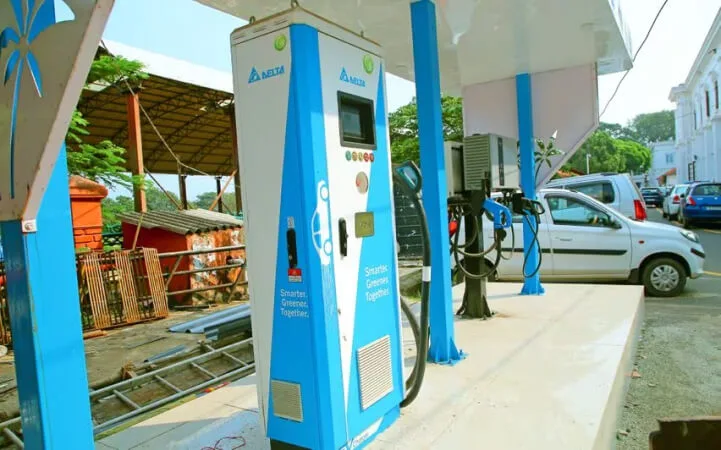
For current and prospective EV owners in Kerala, the new tariff structure offers a clear incentive to charge during the day. KSEB’s network of charging stations is expanding, with new locations being added in urban centers, highways, and public spaces. Users can access real-time information about station availability and rates through KSEB’s digital platforms, making it easier than ever to plan charging sessions.
The lower daytime rates are expected to be particularly beneficial for commercial operators, such as taxi fleets and delivery services, who can schedule charging during off-peak hours to maximize savings. As the EV market continues to grow, KSEB’s customer-centric approach is likely to set a benchmark for other utilities across India.
Also Read: Mahindra Last Mile Mobility to Triple EV Sales
Frequently Asked Questions
Q1: How can I find the nearest KSEB EV charging station and check current rates?
KSEB provides a user-friendly online portal and mobile app where EV owners can locate the nearest charging station, check real-time availability, and view the latest tariff information. The platform also allows users to book slots and make digital payments for a seamless charging experience.
Q2: Will the lower daytime rates apply to all types of EVs and users?
Yes, the reduced daytime charging rates at KSEB EV charging stations are applicable to all users, including private vehicle owners, commercial fleets, and public transport operators. The initiative is designed to encourage widespread adoption of EVs and maximize the use of renewable energy during daylight hours.

