

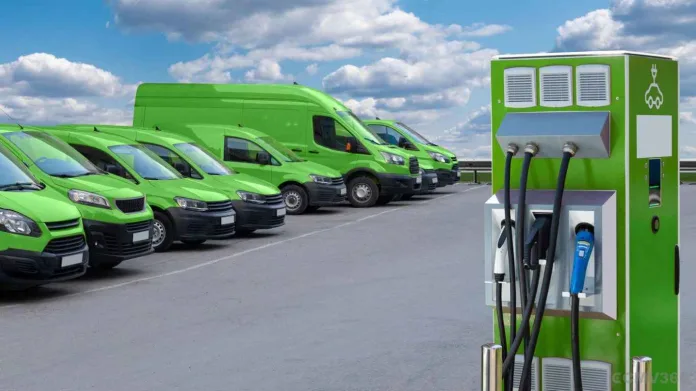

New Delhi is charging ahead with one of the most aggressive EV policy in the world, aiming for a staggering 95% EV adoption rate by 2027. This ambitious target, set by the Delhi government, is part of a broader push to combat air pollution and reduce dependence on fossil fuels. With the capital city battling hazardous smog levels every winter, the shift to electric mobility isn’t just an environmental necessity—it’s a public health imperative.
The policy includes lucrative subsidies, expanded charging infrastructure, and strict phase-out plans for petrol and diesel vehicles. If successful, Delhi could become a global model for rapid EV adoption, outpacing even European cities. But can this vision become reality in just three years? We explore the policy’s key incentives, challenges, and what it means for commuters, automakers, and India’s green energy future.
The Bold Vision: Why Delhi is Betting Big on EVs
Delhi’s EV policy is not just aspirational—it’s backed by concrete measures designed to accelerate adoption. The city, home to over 20 million vehicles, suffers from some of the worst air pollution in the world. Studies link vehicular emissions to 30% of Delhi’s PM2.5 levels, a major contributor to respiratory diseases. The government’s solution? A rapid transition to electric mobility, supported by financial incentives, tax waivers, and infrastructure investments.
Under the policy, buyers of electric two-wheelers, three-wheelers, and cars receive subsidies up to ₹30,000, along with waived road taxes and registration fees. Auto-rickshaw and delivery fleet operators are being incentivized to switch to EVs through special grants. Additionally, the Delhi government is mandating that all new commercial vehicles—including buses and taxis—must be electric by 2025.
Infrastructure Boom: Charging Stations & Battery Swapping
A major hurdle in EV adoption has been range anxiety—the fear of running out of charge with no charging stations nearby. Delhi’s policy tackles this head-on with plans to install 18,000 charging points across the city by 2026, ensuring one station every 3 km. The government is also promoting battery-swapping stations, particularly for e-rickshaws and delivery fleets, where drivers can exchange depleted batteries for fully charged ones in minutes.
Private players like Tata Power, Statiq, and Sun Mobility are partnering with the government to build this network. The policy also offers subsidies for home charging installations, making it easier for residential societies to support EV owners.
Challenges Ahead: Affordability, Grid Capacity & Public Awareness
While the policy is ambitious, challenges remain. High upfront costs of EVs, despite subsidies, could deter middle-class buyers. The electricity grid must also handle the surge in demand—experts warn that without solar-powered charging hubs, Delhi’s coal-dependent grid could face strain.
Another hurdle is consumer mindset. Many still perceive EVs as less powerful or unreliable compared to petrol vehicles. The government is countering this with awareness campaigns, test-drive events, and collaborations with ride-hailing apps like BluSmart to showcase EV performance.
How the EV Push Compares Globally
| City/Country | EV Adoption Target | Key Measures |
|---|---|---|
| New Delhi | 95% by 2027 | Subsidies, charging stations, petrol vehicle phase-out |
| Oslo (Norway) | 100% by 2025 | Tax exemptions, free tolls, bus lane access |
| Shanghai (China) | 50% by 2025 | License plate quotas, govt fleet electrification |
| California (USA) | 100% by 2035 | ZEV mandates, rebates, charging incentives |
Delhi’s target is more aggressive than most global cities, but its success hinges on execution. Norway, the world leader in EV adoption, achieved 80% EV sales through decades of policy consistency—Delhi aims to do it in just three years.
Also Read: Nissan Cancels $1.1 Billion EV Battery Plant in Japan
FAQs: What You Need to Know
Q: How much subsidy will I get for buying an EV?
A: For two-wheelers, subsidies range from ₹5,000 to ₹30,000, depending on battery size. Electric cars get up to ₹1.5 lakh in incentives.
Q: Will petrol/diesel vehicles be banned in Delhi?
A: Not immediately, but new commercial vehicles must be electric by 2025, and stricter restrictions on older petrol/diesel vehicles are expected.
The Road Ahead: Can Delhi Lead India’s EV Revolution?
If Delhi succeeds, it could set a blueprint for other Indian cities. The policy’s success depends on public-private partnerships, grid upgrades, and consumer trust. With automakers like Tata, Ola, and Ather expanding EV production, the pieces are falling into place.
One thing is clear: Delhi’s EV revolution isn’t just about cleaner air—it’s about redefining urban mobility. Will 2027 mark the year India’s capital goes electric? The countdown has begun.

