

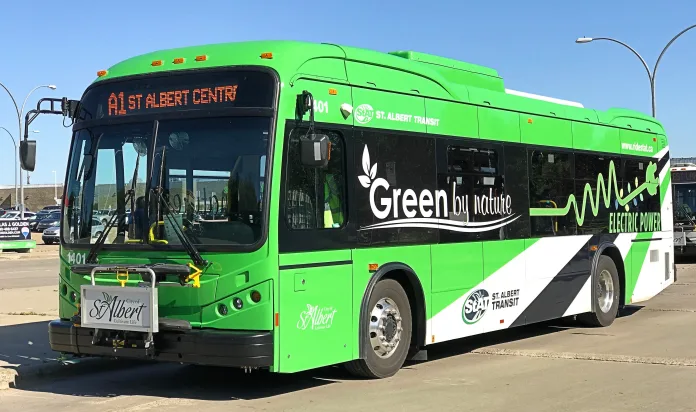

Delhi is taking a giant leap toward a cleaner, greener future. In a bold move to combat air pollution and modernize its public transport, the city has just added 400 new electric buses to its fleet. This is more than just a number—it’s a statement of intent. By 2026, Delhi aims to have a fully electric public transport system, setting a benchmark for other Indian cities and the world.
The Journey to a Greener Delhi
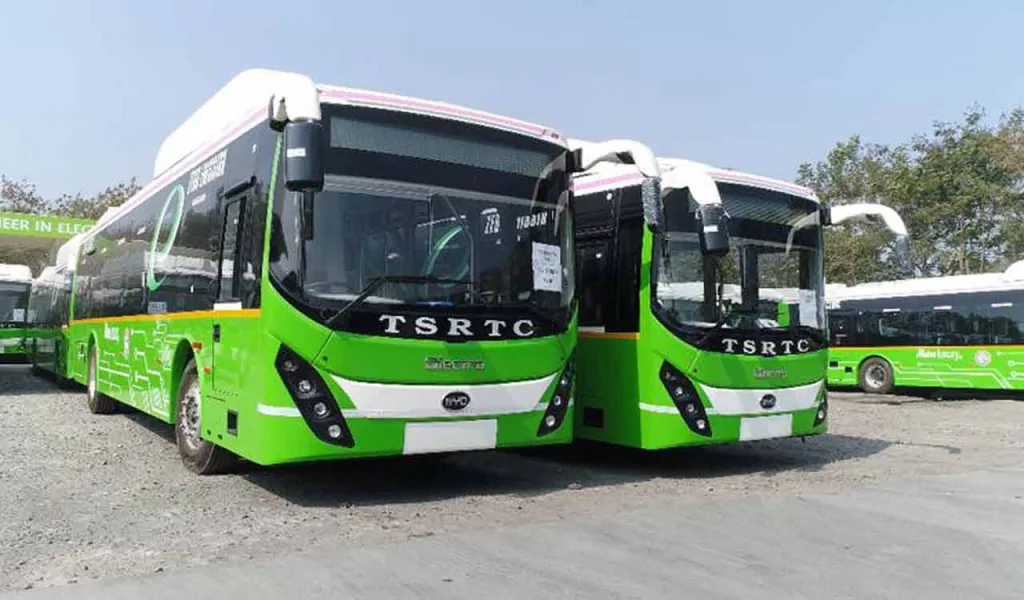
Imagine a city where the hum of engines is replaced by the quiet whirr of electric motors, where the air is fresher, and commutes are smoother. That’s the vision Delhi is chasing. With the latest addition, the city’s electric bus fleet is now one of the largest in India, serving thousands of daily commuters while slashing emissions.
The new electric buses are equipped with modern amenities—air conditioning, low floors for easy access, real-time tracking, and zero tailpipe emissions. These buses are not just about comfort; they’re about responsibility. Each electric bus on the road means fewer diesel fumes, less noise, and a healthier city for everyone.
Why Electric Buses Matter
Delhi’s air quality has long been a concern. By switching to electric buses, the city is directly addressing pollution at one of its major sources—public transport. Electric buses are not only eco-friendly but also cost-effective in the long run, with lower maintenance and fuel costs.
Delhi’s Electric Bus Rollout: Key Facts
| Feature | Electric Buses (2025) | Diesel Buses |
|---|---|---|
| Emissions | Zero tailpipe | High CO₂, NOx, PM |
| Noise | Very low | High |
| Operating Cost | Lower | Higher |
| Passenger Comfort | High (AC, low floor) | Moderate |
| Real-time Tracking | Yes | Rare |
| Government Incentives | Yes | No |
What’s Next for Delhi’s Public Transport?
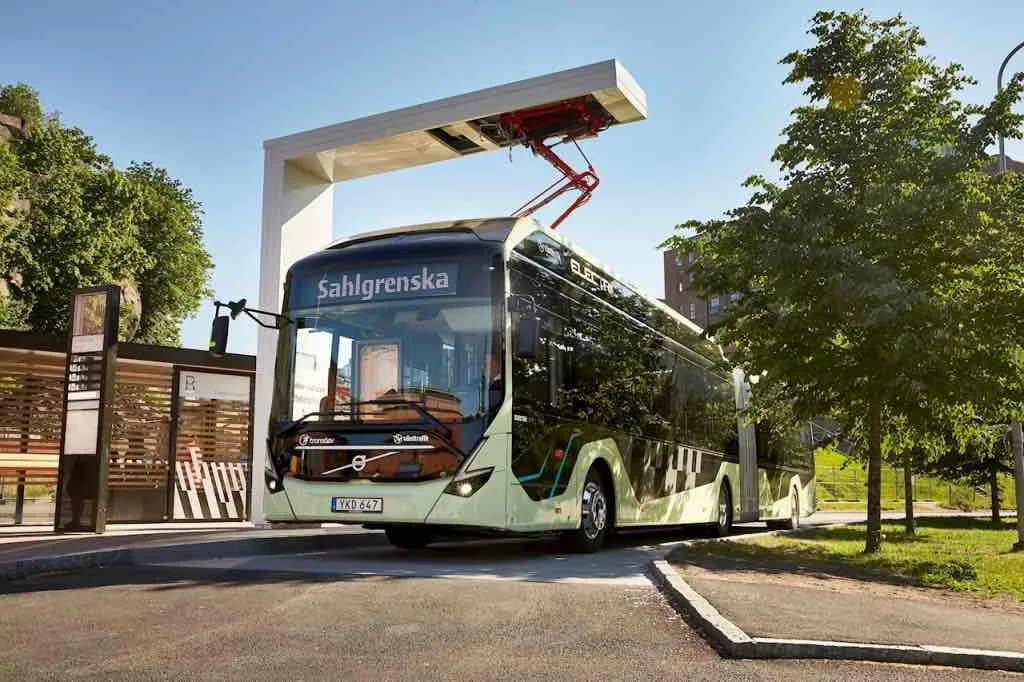
The city’s ambitious plan doesn’t stop at 400 buses. By 2026, Delhi aims to convert its entire public transport fleet—buses, autos, and taxis—to electric. This transition is supported by government incentives, charging infrastructure expansion, and public awareness campaigns.
Delhi’s commitment to a fully electric public transport system by 2026 is more than a policy—it’s a promise to its people and the planet. As the city’s streets welcome more electric buses, Delhi is setting a powerful example for sustainable urban mobility in India and beyond.
Also Read: Top 5 Most Anticipated Electric Vehicles in 2025
Frequently Asked Questions (FAQs)
Q1: How many electric buses does Delhi have now?
Delhi has added 400 new electric buses, making its electric fleet one of the largest in India.
Q2: What is Delhi’s target for public transport electrification?
Delhi aims for a fully electric public transport system by 2026.
Q3: What are the benefits of electric buses?
Electric buses reduce air and noise pollution, lower operating costs, and offer a smoother, more comfortable ride.
Q4: Are there enough charging stations for these buses?
The government is rapidly expanding charging infrastructure across the city to support the growing electric fleet.
Q5: How does this move impact Delhi’s air quality?
Replacing diesel buses with electric ones significantly cuts harmful emissions, improving air quality for all residents.

