

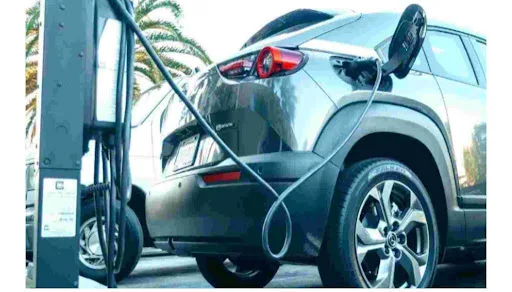

Are you ready to witness India’s electric vehicle landscape transform dramatically? In a groundbreaking announcement that has sent ripples through the automotive industry, the government has unveiled plans to offer substantial subsidies for setting up battery swapping stations across the country. This strategic initiative aims to eliminate one of the biggest hurdles in EV adoption – range anxiety during long-distance travel.
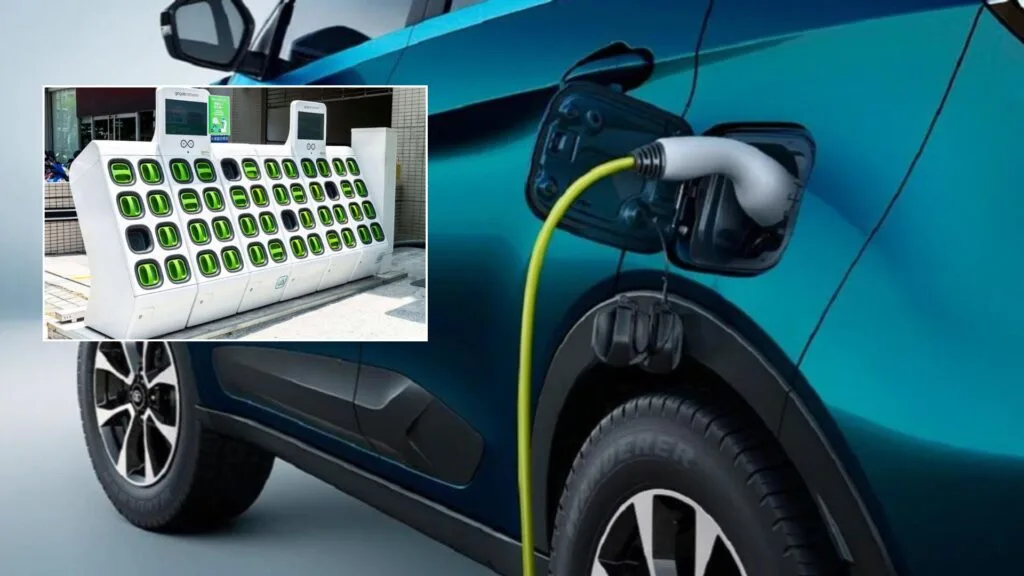
What Are Battery Swapping Stations and How Will They Work?
Battery swapping stations represent a revolutionary approach to EV charging. Instead of waiting for hours to charge a depleted battery, drivers can simply exchange their drained battery for a fully charged one in minutes. Under the proposed scheme, commuters will pay a service fee for this quick exchange, dramatically reducing downtime and making EVs a more practical choice for longer journeys.
“The subsidy framework is being designed to encourage the creation of robust battery swapping networks, especially for commercial vehicles like buses and trucks that travel longer routes,” revealed a senior official familiar with the discussions. “This will significantly cut down downtime for charging and help EV operators run more efficiently.”
The Strategic Rollout Plan
| Vehicle Segment | Implementation Phase | Focus Areas |
|---|---|---|
| Buses & Trucks | Initial Phase | Major highways & commercial routes |
| Two & Three-Wheelers | Initial Phase | Urban and semi-urban areas |
| Cars | Later Phase | After technical standardization |
The government is taking a phased approach to implementation. The initial focus will be on supporting battery swapping infrastructure for commercial vehicles that typically need to cover longer distances – electric buses, trucks, and the hugely popular two-wheeler and three-wheeler segments. Battery swapping capabilities for electric cars will follow once the necessary technical standards are finalized.
EV Growth Trajectory: The Numbers Speak Volumes
The push for battery swapping infrastructure comes at a perfect time. India’s electric vehicle sector has shown remarkable growth, with EVs now accounting for 7.3% of all registered vehicles in 2024-25. This represents an extraordinary leap from just 0.01% a decade ago. With more than 56.8 lakh EVs already registered nationwide, these numbers are projected to skyrocket as the government continues to roll out supportive policies.
National Highway Corridors: The EV Superhighways
The battery swapping initiative complements an ambitious existing project where 61 national highway corridors – covering over 25,600 km – have been designated for the installation of comprehensive EV charging infrastructure. Current guidelines mandate charging stations every 100 km on highways for heavy vehicles and every 20 km for passenger cars.
Priority corridors identified for immediate action include:
- Delhi-Chandigarh
- Delhi-Jaipur
- Bengaluru-Mumbai
- Coimbatore-Bengaluru
- Goa-Pune
- Chennai-Bengaluru
- Kochi-Kanyakumari
- Prayagraj-Patna
- Guwahati-Jorhat
- Kharagpur-Visakhapatnam
Integration with Existing Infrastructure
Officials have indicated that battery swapping stations could either be integrated with existing EV charging facilities or developed as standalone operations. “The precise subsidy amounts and eligibility norms are being finalized,” an official stated. “This strategy will particularly benefit long-haul electric trucks and buses, enabling them to meet operational needs without lengthy charging stops.”
Once protocols for car batteries are established, the infrastructure will expand to serve private EV owners as well, further accelerating India’s transition toward sustainable transportation.
The Environmental and Economic Impact
This initiative represents more than just convenience for EV owners – it’s a critical step toward India’s climate goals. By removing one of the most significant barriers to EV adoption, the government is paving the way for a substantial reduction in carbon emissions from the transportation sector, which currently accounts for approximately 10% of India’s total emissions.
Economically, the battery swapping ecosystem is expected to generate thousands of new jobs while reducing India’s dependence on imported fossil fuels. For consumers, the long-term savings on fuel costs and vehicle maintenance could be substantial.
Also read- Ergon Labs and Omega Seiki: Powering India’s EV Revolution

