

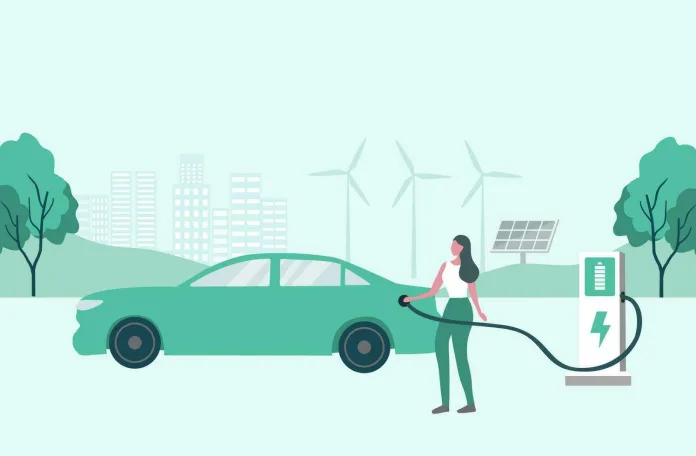

Are you ready to witness the most ambitious urban transformation in India’s environmental history? A groundbreaking new study by The Energy and Resources Institute (TERI) reveals that a complete shift to electric vehicles in 44 Indian cities with populations over 10 lakh could deliver environmental and economic benefits of staggering proportions.
The Impact By Numbers: A Transformation in Figures
| Metric | Projected Impact by 2035 |
|---|---|
| Daily PM2.5 Emission Reduction | 11.5 Tonnes |
| Greenhouse Gas Emission Cut | 61 Million Tonnes CO₂ |
| Fuel Savings | 51 Billion Litres |
| Oil Import Bill Reduction | ₹9.17 Lakh Crore ($106.6 Billion) |
Economic Revolution Beyond Numbers
The transition would not only slash pollution but would also create a substantial economic impact. The reduction in oil imports represents a significant improvement in India’s trade balance and energy security.
The Environmental Imperative
India’s major cities consistently rank among the world’s most polluted urban centers. This transition offers a pathway to dramatically cleaner air and improved public health outcomes across densely populated areas.
Implementation Roadmap
To achieve this ambitious transformation, the study likely recommends:
- Phased replacement of aging vehicles
- Expansion of charging infrastructure
- Financial incentives for EV adoption
- Manufacturing ecosystem development
Also Read: Gujarat Cuts EV Road Tax to 1% Till 2026
Frequently Asked Questions
Q: Which 44 cities are targeted in this EV transition?
A: The study focuses on Indian cities with populations of at least 10 lakh (1 million) residents.
Q: By when does the study project these benefits?
A: The projections extend to 2035, providing a decade-long roadmap for transformation.
Q: How significant is the projected oil import reduction?
A: The estimated ₹9.17 lakh crore ($106.6 billion) reduction represents a substantial improvement in India’s energy independence and trade balance.
Q: Does the study address charging infrastructure needs?
A: While specific details weren’t provided in the initial reports, comprehensive EV transition planning typically includes substantial charging infrastructure development.
Broader Context
This study complements other national initiatives, including the PM E-DRIVE scheme, which provides subsidies for electric vehicle adoption. The findings strengthen the case for accelerated electric mobility across India’s urban centers.
Conclusion
The TERI study presents a compelling vision of India’s electric vehicle future—one that promises cleaner air, economic benefits, and enhanced energy security. The ₹9.17 lakh crore question now is: How quickly can this vision become reality?

