

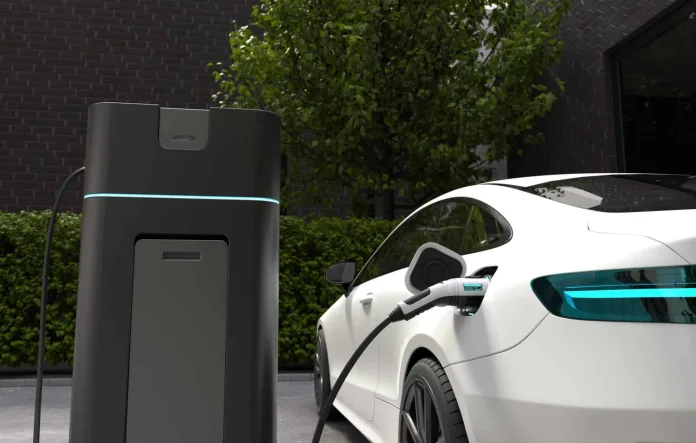

Dive deep into Delhi’s groundbreaking EV policy: A strategic roadmap transforming urban mobility, balancing environmental goals with practical urban challenges.
Table of Contents
The Urban Mobility Crossroads
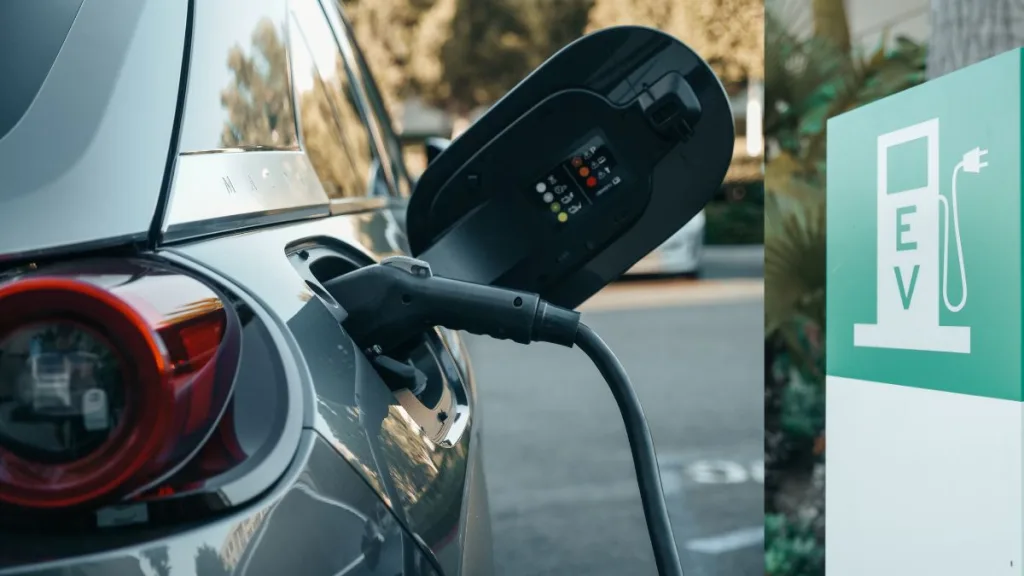
Delhi stands at a critical juncture in its transportation evolution. As one of the world’s most polluted megacities, the national capital is pioneering a bold approach to sustainable urban mobility that could become a blueprint for other major metropolitan areas.
Historical Context of Delhi’s EV Journey
The city’s electric vehicle narrative isn’t new. Since August 2020, Delhi has witnessed a remarkable surge in electric vehicle adoption, with over 2.87 lakh electric vehicles registered. This isn’t just a number—it’s a testament to a city reimagining its transportation ecosystem.
Policy Evolution: A Measured Approach
Continuous Policy Refinement
The government’s decision to extend the existing EV policy signals a commitment to thoughtful, incremental change rather than disruptive mandates. This approach recognizes the complex socio-economic landscape of urban transportation.
Comprehensive Incentive Ecosystem
Financial Motivations
The policy creates a robust incentive framework designed to make electric vehicles financially attractive:
| Vehicle Category | Subsidy Details | Additional Benefits |
|---|---|---|
| Two-Wheelers | ₹10,000 per kWh (Max ₹30,000) | Lower registration costs |
| Women Riders | Up to ₹36,000 additional subsidy | Preferential parking |
| Commercial Vehicles | Reduced operational costs | Tax incentives |
| Scrappage Scheme | Bonus for replacing old vehicles | Environmental credits |
Strategic Objectives
- Reduce carbon emissions by 30% in transportation sector
- Create sustainable job opportunities
- Develop robust charging infrastructure
- Minimize economic disruption
Addressing Potential Concerns
No Vehicle Bans
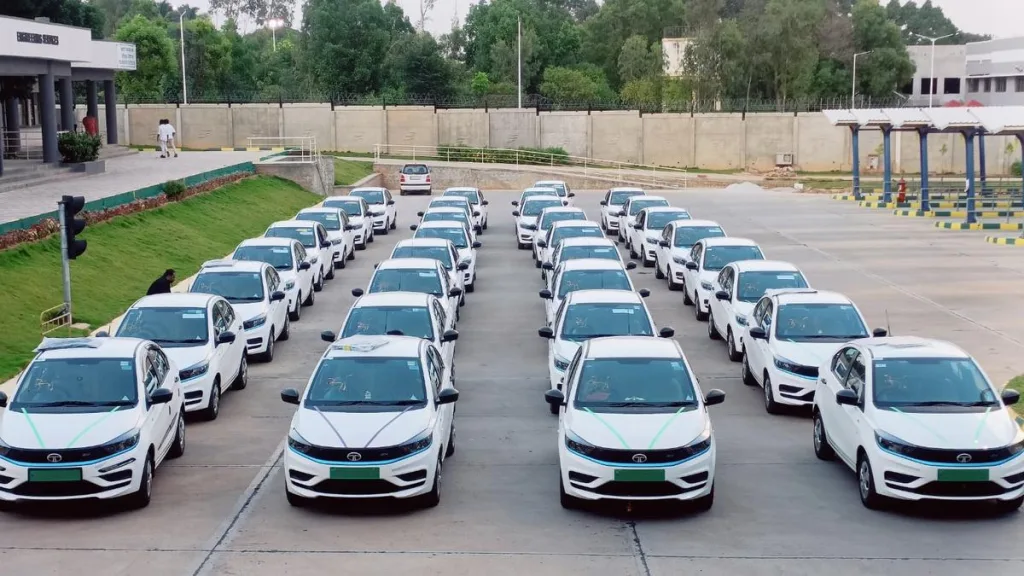
Crucially, the policy explicitly states no immediate bans on existing vehicles. This approach demonstrates sensitivity to:
- Economic constraints of vehicle owners
- Gradual technological transition
- Individual economic capabilities
Infrastructure Development
Charging Network Expansion
Delhi plans to:
- Install 500 public charging stations
- Mandate EV charging points in new residential complexes
- Develop fast-charging corridors
- Provide subsidies for home charging installations
Economic and Environmental Impact
Job Creation
The EV ecosystem is expected to generate:
- 20,000 direct jobs
- 50,000 indirect employment opportunities
- Skill development programs
- Entrepreneurship in green technology
Environmental Projections
Potential Impact:
- 40% reduction in transportation-related emissions
- Improved air quality index
- Reduced dependence on fossil fuels
Challenges and Roadmap
Potential Hurdles
- Battery technology limitations
- High initial vehicle costs
- Charging infrastructure gaps
- Consumer awareness
Mitigation Strategies
- Collaborative industry partnerships
- Research and development investments
- Consumer education programs
- Phased implementation approach
Conclusion: A Visionary Urban Transformation
Delhi’s EV policy represents more than a transportation strategy—it’s a holistic approach to urban sustainability, balancing environmental ambitions with practical economic considerations.

