


India’s electric vehicle landscape witnessed another commanding performance from Tata Motors in November 2025, as the homegrown automaker continued its reign over the domestic EV segment. The company’s impressive sales figures underscore its strategic positioning in the rapidly evolving green mobility sector.
Table of Contents

Tata’s November Triumph
Tata Motors sold 5,235 electric vehicles in November 2025, marking a significant year-on-year growth of 17.85% compared to the 4,441 units sold in November 2024. This performance solidifies the company’s leadership position in India’s burgeoning EV market, demonstrating consistent consumer trust in their electric offerings.
The month-on-month comparison reveals interesting dynamics, with sales experiencing a 7.35% decline from October 2025’s 5,650 units. Industry analysts attribute this seasonal variation to typical market fluctuations and festival-driven demand patterns.
Market Share Analysis
According to CarWale’s latest report, Tata Motors commanded an impressive 64.15% market share in November 2025’s electric passenger vehicle segment. This dominant position reflects the company’s diverse EV portfolio and extensive distribution network across urban and semi-urban markets.
Product Portfolio Performance
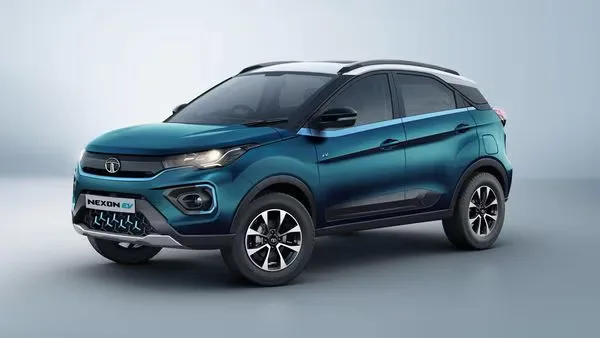
Tata’s success stems from its well-rounded electric vehicle lineup, including popular models like the Nexon EV, Tiago EV, and Punch EV. These vehicles cater to different customer segments, from budget-conscious buyers to premium EV enthusiasts.
The Indian EV market’s growth trajectory continues accelerating, driven by government incentives, improved charging infrastructure, and rising environmental consciousness among consumers. Tata Motors has strategically positioned itself to capitalize on this momentum through competitive pricing and localized manufacturing.
Industry Implications
Tata’s sustained dominance raises important questions about competition dynamics in India’s EV sector. While other manufacturers like Mahindra and MG Motor are expanding their electric offerings, Tata’s first-mover advantage and brand trust continue providing significant competitive moats.
The company’s performance aligns with broader industry trends, as discussed in various electric vehicle policy developments that favor domestic manufacturing and EV adoption.
Looking Ahead
As India marches toward its ambitious 2030 EV penetration targets, Tata Motors’ November performance signals strong momentum. With upcoming model launches and continued infrastructure expansion, the company appears well-positioned to maintain its market leadership.
The electric revolution in Indian automotive is accelerating, and Tata Motors remains firmly in the driver’s seat.

