

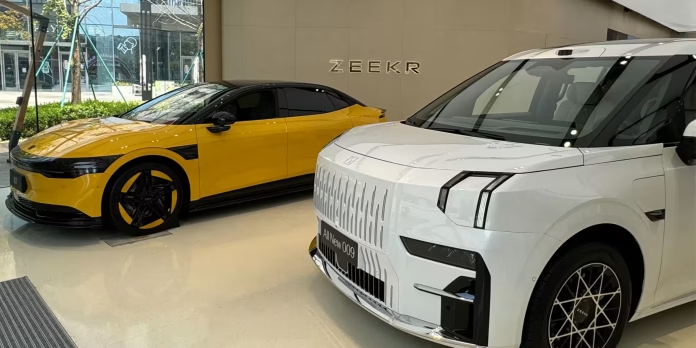

Zeekr launches in Germany with EVs from €37,990, challenging BMW and Mercedes with 13-minute charging and 382-mile range. Chinese EV invasion accelerates. The electric vehicle battlefield just moved to Germany’s backyard. Zeekr, Geely’s premium EV brand, officially launched sales in Germany this week with three models priced from €37,990—directly challenging BMW, Mercedes-Benz, and Volkswagen on their home turf. The move marks a pivotal escalation in China’s systematic conquest of European markets.
Table of Contents
Premium Performance at Mass-Market Prices
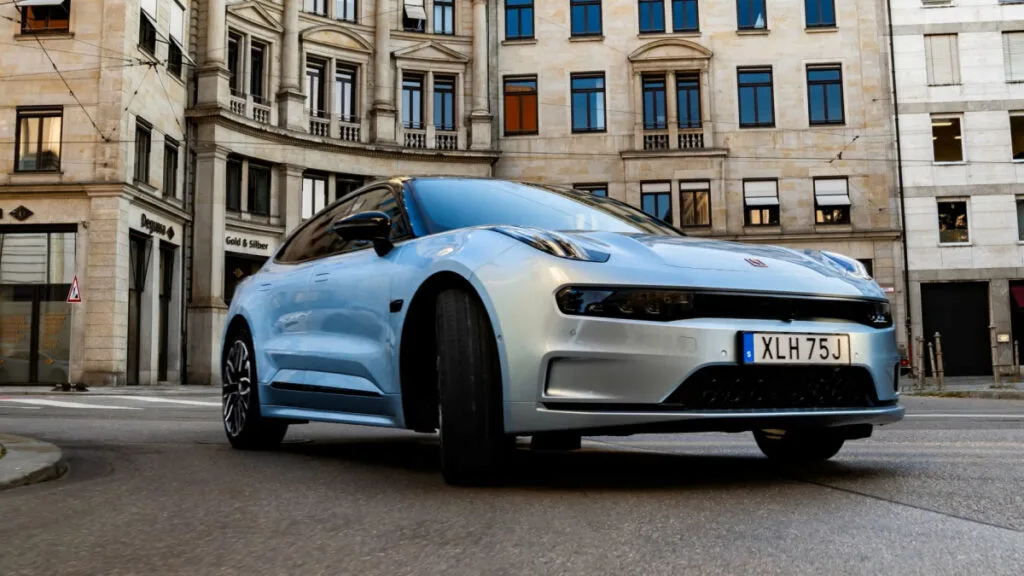
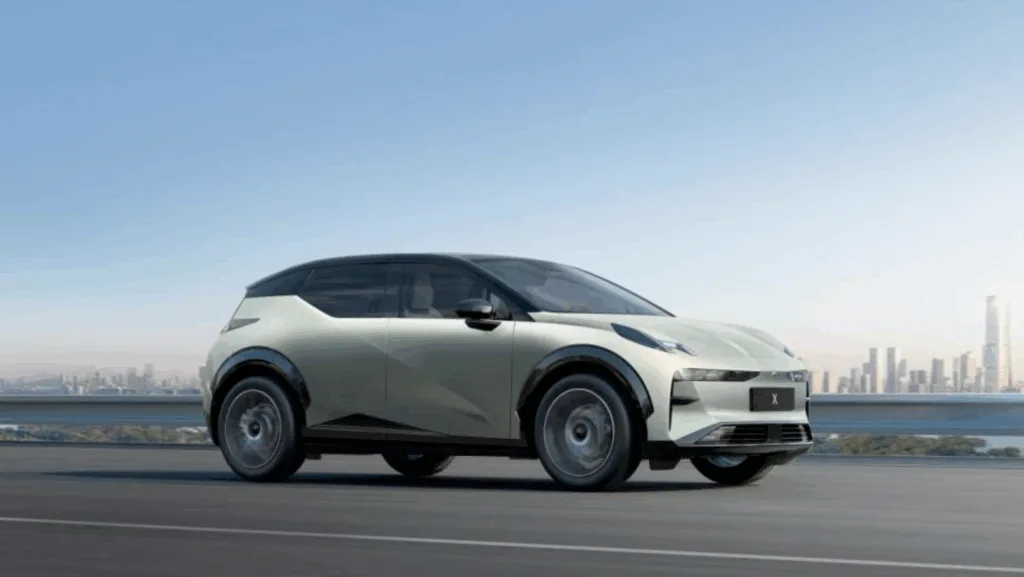
Here’s what has German automakers worried: Zeekr’s compact X SUV starts at €37,990, while the flagship 001 shooting brake costs €59,990. Compare that to Polestar 2’s €48,990 starting price—and Polestar is also Geely-owned. The pricing strategy isn’t just aggressive; it’s revolutionary.
The mid-size Zeekr 7X delivers 382 miles of WLTP range and charges from 10-80% in just 13 minutes using a 360kW charger. Mercedes EQA offers 348 miles with a 35-minute fast charge time. BMW’s iX1 posts similar range but cannot match Zeekr’s 800-volt architecture charging speeds. When a Chinese brand out-engineers Germany’s finest while undercutting their prices, the competitive landscape fundamentally shifts.
Corporate Fleet Gold Rush
Zeekr Europe CEO Lothar Schupet isn’t hiding his ambitions. “The demand is enormous,” he told German media. “There are several DAX companies and large leasing companies waiting for our electric cars.” The brand has already secured partnerships with BNP Paribas and Arval for corporate fleet offers.
This corporate focus is strategic genius. Germany’s commercial customers account for nearly two-thirds of new vehicle registrations. By targeting fleet managers rather than individual consumers, Zeekr bypasses brand loyalty issues that plague Chinese manufacturers in European retail markets. The 0.25% company car tax rate qualification sweetens the deal considerably.
The Two-Year Delay That Built an Empire
Zeekr originally planned Germany entry in early 2024. The nearly two-year delay wasn’t weakness—it was preparation. The company used that time to establish 40 certified service centers, with expansion to 100 locations planned by Q2 2026. Operational partner GAS Global Automotive Service GmbH operates approximately 1,700 affiliated businesses across Germany.
The warranty package mirrors premium standards: eight years or 124,274 miles on batteries, with vehicle warranty extending to ten years if servicing occurs within the Zeekr network. This isn’t Tesla’s “move fast and break things” approach—it’s methodical infrastructure building designed for long-term market capture.
What India Can Learn From Zeekr’s Playbook
As India’s EV market surges with government pushing 30% electrification by 2030, Zeekr’s European strategy offers valuable lessons. The company didn’t chase volume initially—it built service infrastructure first. It didn’t compete on cheapness alone—it matched premium features while undercutting premium prices.
Indian manufacturers like Mahindra launching ambitious electric SUVs and Tata dominating domestic EV sales face different challenges than Zeekr in Europe. But the fundamental principle holds: premium positioning requires premium infrastructure, not just premium specifications.
The Bigger Picture: China’s Systematic Market Conquest
Zeekr’s Germany launch follows BYD surpassing Tesla in European EV sales back in April 2025, with BYD exploding 398% while Tesla slumped 10.5%. Chinese brands now hold approximately 5.1% of the European market. As China’s domestic EV market faces challenges, manufacturers are aggressively pursuing European expansion.
The pattern is unmistakable: Chinese automakers develop vehicles in 18-24 months while VW operates on 3-5 year timelines. This speed advantage, combined with 800-volt architecture, advanced battery technology, and competitive pricing, creates a nearly unbeatable combination.
Zeekr plans expansion into Spain, Italy, France, and Britain during 2026. With UK launch scheduled for 2027, the brand’s methodical European rollout continues. German automakers watching Zeekr’s 13-minute charging and 382-mile range at Volkswagen-level prices must be asking themselves: how did we let this happen?
As India maintains favorable 5% GST on EVs, domestic manufacturers have a golden opportunity. The question is whether they’ll move with Chinese speed or European caution.

