

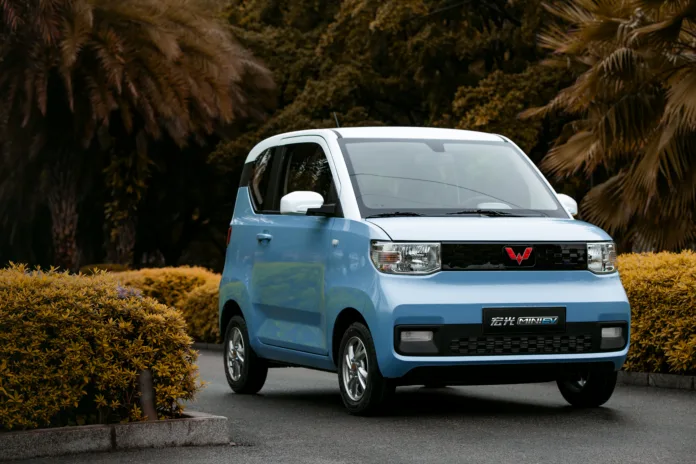

David beats Goliath in EV sales. China’s affordable Wuling Mini EV has overtaken Tesla’s Model Y globally, proving budget beats luxury in the numbers game.
The electric vehicle revolution has a surprising new champion. While premium brands battle for luxury market dominance, a modest Chinese city car is quietly rewriting the sales charts. The Wuling Mini EV’s triumph over Tesla’s Model Y reveals an uncomfortable truth for legacy automakers: affordability matters more than range, technology, or brand prestige when democratizing electric mobility.
Table of Contents
The People’s EV
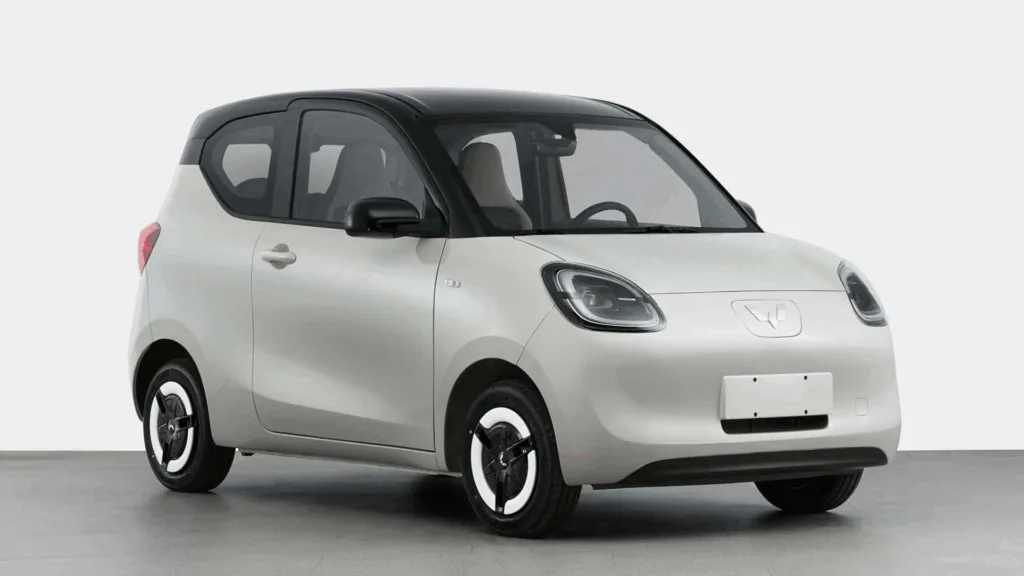
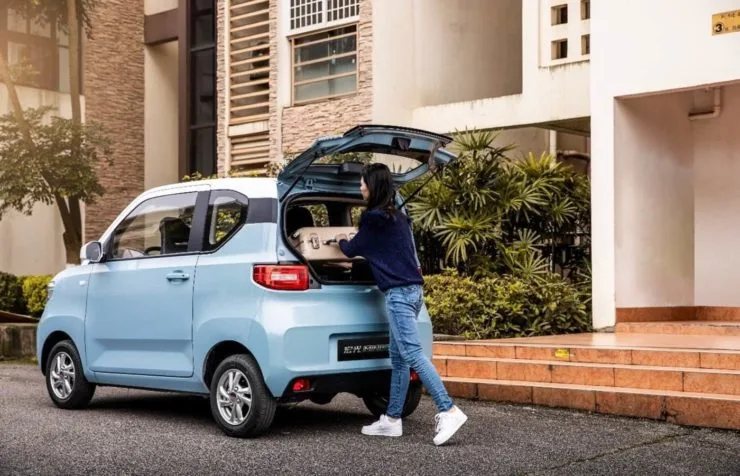
Priced at a fraction of Tesla’s flagship SUV, the Wuling Mini EV targets urban commuters who need basic, reliable transportation—not automotive statements. Its compact dimensions suit congested Asian cities, while its modest range adequately serves daily commutes without premium battery costs.
This sales victory challenges Western assumptions about EV adoption. While American and European markets obsess over 400+ kilometer ranges and autonomous driving features, millions of Chinese buyers are choosing practical, affordable electric transportation that simply works.
India’s Takeaway
The Wuling phenomenon holds crucial lessons for India’s emerging EV market. Indian cities share characteristics with Chinese urban centers—dense populations, short average commutes, and significant price sensitivity. A truly affordable EV priced under ₹5-6 lakhs could unlock massive demand currently excluded by premium EV pricing.
Tata Motors recognized this with the Tiago EV, but there’s room for even more accessible options. Companies that crack the affordability code while maintaining basic quality and reliability could dominate India’s mass-market EV segment, just as Wuling dominates China.
Challenging Premium Narratives
Tesla’s Model Y remains an impressive vehicle with superior technology, safety, and performance. But the Wuling’s sales success proves that most buyers prioritize practical concerns—purchase price, running costs, and fitness for daily needs—over cutting-edge features they rarely use.
This shift threatens traditional automotive hierarchies. If affordable EVs satisfy most buyers’ requirements, premium brands must justify their pricing through genuinely differentiated experiences, not just incremental improvements.
The New EV Order
The Wuling Mini EV’s sales leadership signals evolving global automotive dynamics. Chinese manufacturers, unburdened by legacy combustion engine investments, can focus entirely on electric efficiency and affordability. This advantage is reshaping global EV competition, forcing established brands to reconsider strategies and pricing.
For developing markets like India, this competition is beneficial. As Chinese and domestic manufacturers compete on affordability while maintaining quality, electric mobility becomes accessible to millions previously priced out of EV ownership.
The message is clear: the future of electric vehicles isn’t just premium sedans and luxury SUVs—it’s practical, affordable transportation that puts emission-free mobility within everyone’s reach.

