

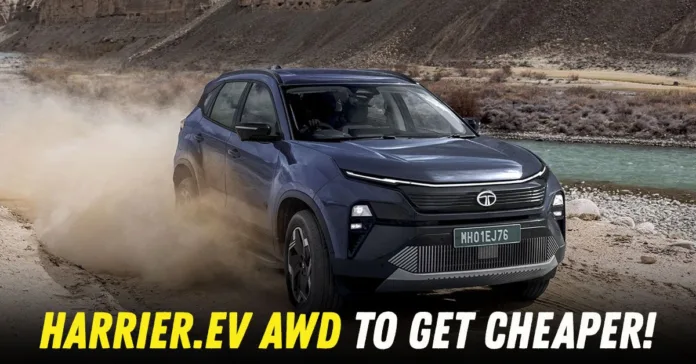

Tata Harrier EV QWD ‘s dual-motor is becoming more accessible with strategic pricing adjustments that could reshape the premium electric SUV market. Tata Motors is playing chess while competitors play checkers. The company’s strategy to make the Harrier EV QWD more affordable demonstrates sophisticated understanding of market dynamics. By reducing premium feature content while maintaining core performance capabilities, Tata aims to bring dual-motor electric SUV technology within reach of broader buyer segments.
Table of Contents
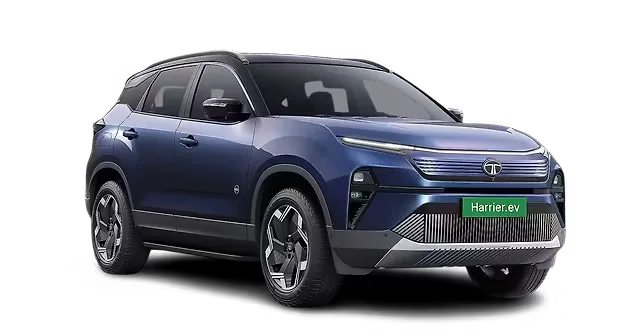
Tata Harrier EV: Smart Cost Engineering
Making powerful EVs affordable requires creative engineering and strategic compromises. Tata appears to be identifying features that drive costs but don’t significantly impact the driving experience. Simplified infotainment systems, fewer luxury amenities, or alternative material choices could reduce manufacturing costs without compromising the Harrier EV’s fundamental appeal—dual-motor performance, impressive range, and commanding road presence.
This approach mirrors successful strategies in global markets where base variants of premium EVs offer essential technology at accessible prices, reserving luxury features for higher trims. Indian buyers increasingly appreciate this tiered approach, choosing variants that match their priorities and budgets.
Dual-Motor Advantages
All-wheel drive electric SUVs offer compelling benefits—superior traction on challenging roads, enhanced stability during monsoons, and exhilarating acceleration from dual motors working in concert. Previously, these capabilities commanded premium pricing that limited their appeal.
By democratizing dual-motor technology, Tata expands the addressable market significantly. Buyers in regions with challenging terrain or adverse weather conditions, who previously considered QWD essential but found electric options unaffordable, suddenly have viable choices.
Market Competition
This pricing strategy intensifies pressure on competitors. Mahindra’s upcoming BE 6 and XEV 9e, along with offerings from MG and BYD, must now contend with a more competitively priced Harrier EV QWD. The Indian premium EV segment is becoming genuinely competitive, forcing manufacturers to sharpen their value propositions.
Competition benefits consumers through better pricing, improved features, and accelerated innovation. As brands compete for market share, each advancement by one manufacturer pushes others to respond with their own improvements.
Ecosystem Impact
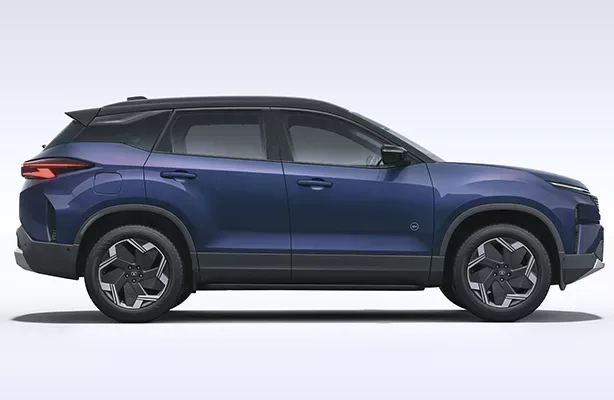
More affordable premium EVs accelerate India’s overall EV adoption. Each segment where electric vehicles achieve price competitiveness with combustion alternatives drives broader market transformation. The Harrier EV QWD’s improved affordability could catalyze premium SUV buyers to choose electric, demonstrating that performance and practicality needn’t be compromised.
Strategic Timing
Tata’s pricing adjustment comes as production scales up and battery costs moderate globally. These macro trends enable manufacturers to pass savings to consumers while maintaining profitability—a win-win scenario that accelerates electrification.
For Indian EV enthusiasts, the message is clear: dual-motor electric SUVs are transitioning from aspirational dreams to attainable realities. Tata’s strategic pricing ensures that advanced electric technology reaches more driveways, advancing India’s clean mobility journey one affordable performance SUV at a time.

